

Discover the Essence of Greek Meze Culture
In Greece, food is far more than sustenance—it is a way to connect, celebrate, and slow down to savour the moment. Nowhere is this philosophy more beautifully expressed than in the vibrant Greek meze culture. Small plates of flavorful bites, known as mezedes, turn a simple drink or meal into a memorable social ritual.
Joining Traditional Greek food tours allows travellers to experience these traditions firsthand, enjoying authentic Greek food tasting while discovering the stories, ingredients, and people behind every dish.
What Is Greek Meze?
The word meze refers to small dishes designed for sharing, creating a communal dining experience. Often compared to Spanish tapas, meze is unique in how it reflects the essence of Greek meze culture, emphasising conversation, relaxation, and social bonding.
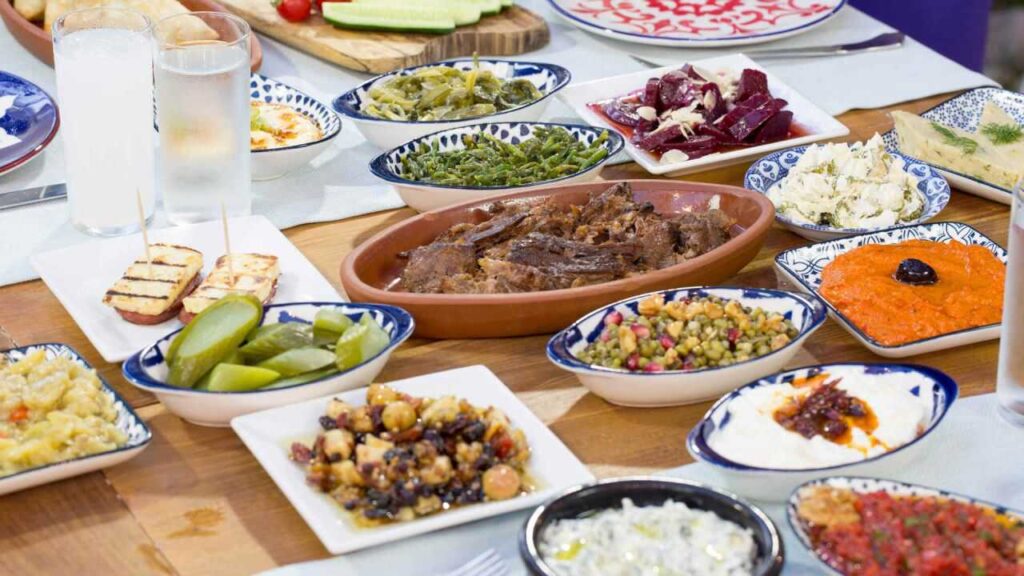
Meze dishes are traditionally paired with beverages such as:
- Ouzo – served chilled or over ice
- Tsipouro – distilled grape spirit
- Raki (Tsikoudia) – traditional Cretan brandy
- Greek wines and retsina
- Beer – especially with fried or spicy dishes
Eating meze is a slow and social experience. Guests linger at the table, sharing plates, stories, and laughter, often raising their glasses with a heartfelt “Yamas!”. Traditional Greek food tours immerse visitors in this lifestyle, combining gastronomy with authentic cultural experiences.
Book your food tour in Athens here
The Social Soul of Greek Dining
In Greece, dining is a social ritual rooted in the concept of parea—the joy of good company. A meze table typically begins with olives and bread and gradually expands to include dips, cheeses, seafood, and warm dishes as the gathering unfolds.
Each plate contributes to the collective experience, reinforcing hospitality, generosity, and connection. This social dimension makes meze a cornerstone of the Greek dining experience, transforming every meal into a celebration.
A Taste of Tradition: The Building Blocks of Meze
Meze reflects Greece’s geography, climate, and culinary heritage. Fresh, local ingredients and time-honoured recipes create a diverse, flavorful table.
Olives and Olive Oil
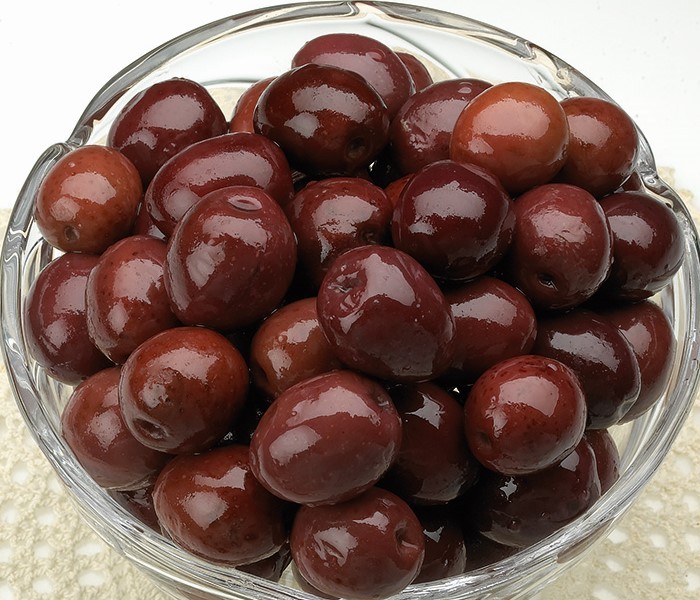
Olives are the foundation of Greek cuisine, including the Kalamata, Amfissa, and Throumba varieties, served with extra-virgin olive oil and oregano.
Greek Dips and Spreads
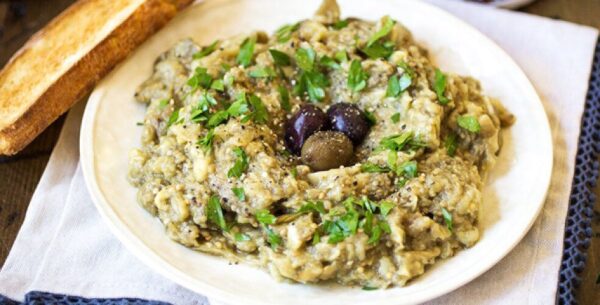
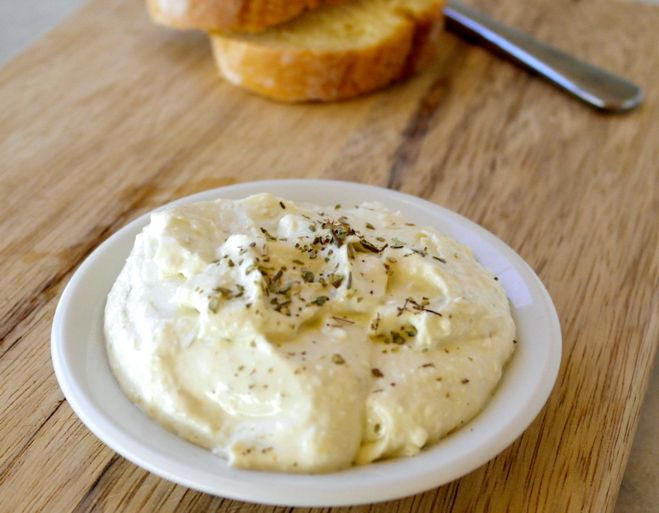
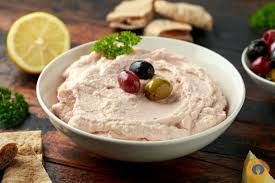
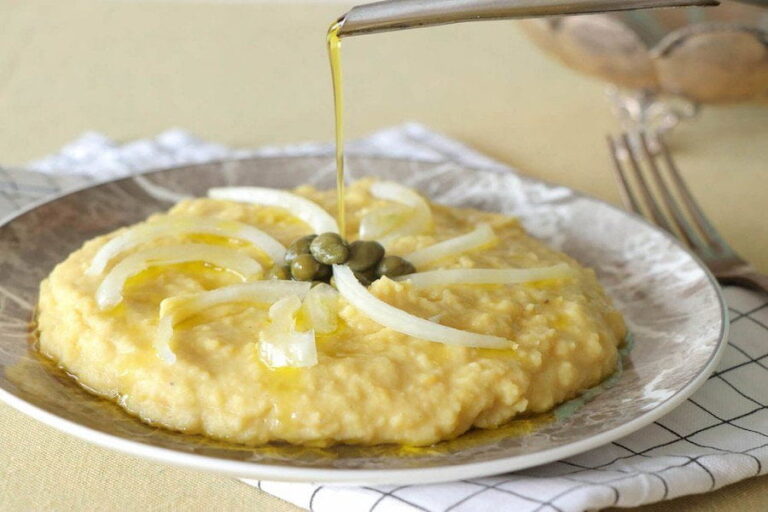
Essential components of Greek food tasting include:
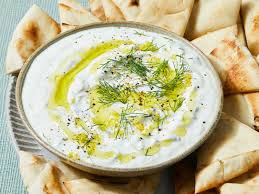
- Tzatziki – yoghurt, cucumber, garlic, and dill
- Melitzanosalata – roasted eggplant with lemon and olive oil
- Tirokafteri – spicy feta dip
- Taramosalata – fish roe spread
Greek Cheeses
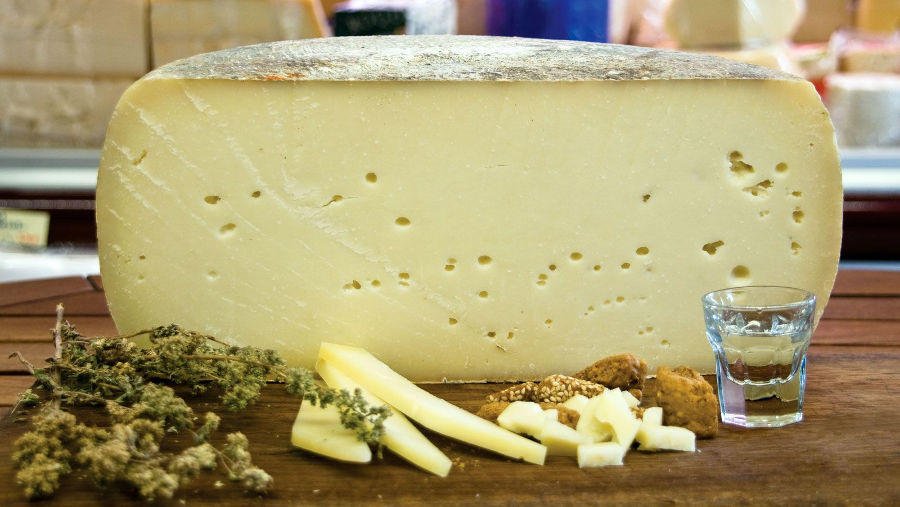
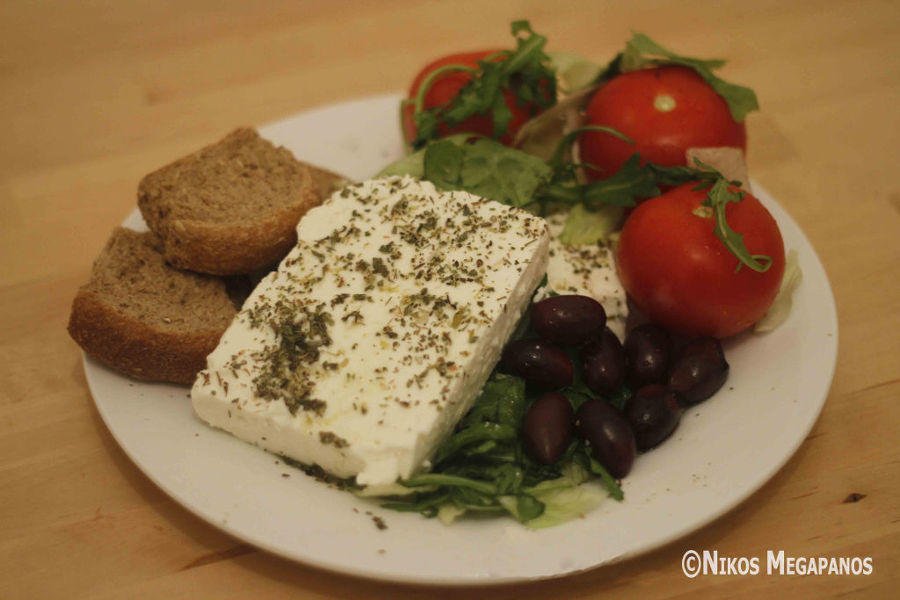
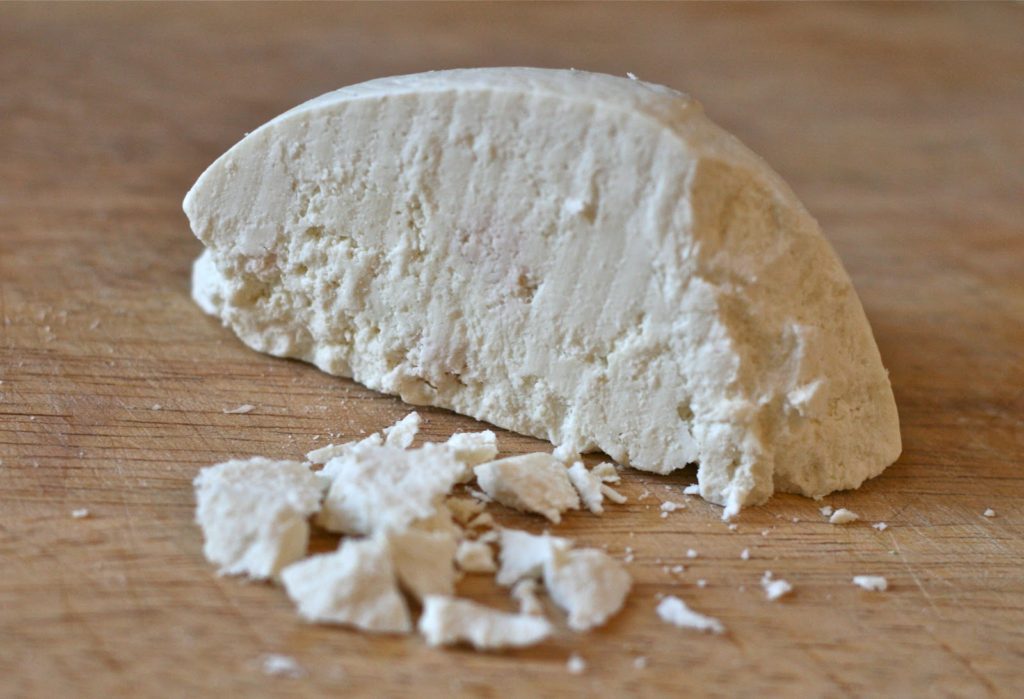
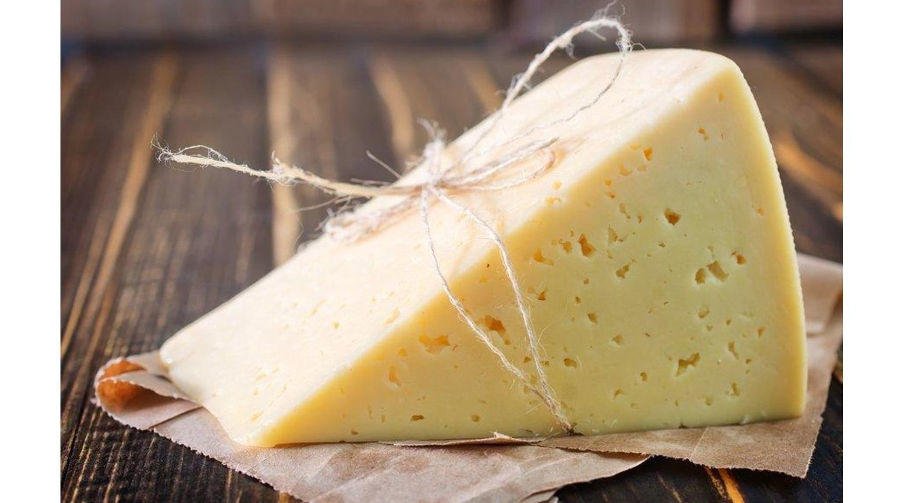
Cheese plays a central role in Greek cuisine, with feta, graviera, kefalotiri, and mizithra adding depth and richness to the meze table.
Seafood Meze
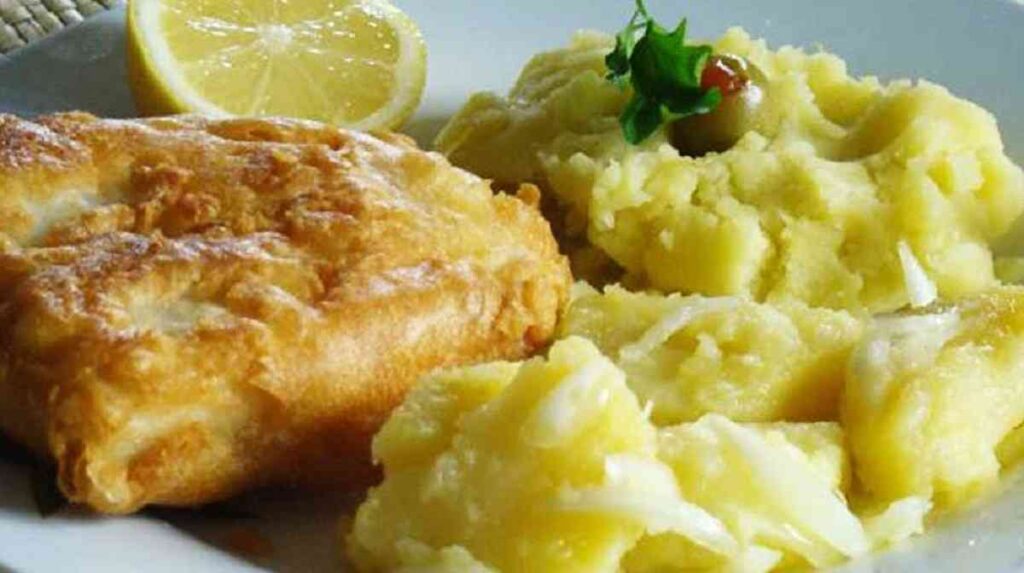
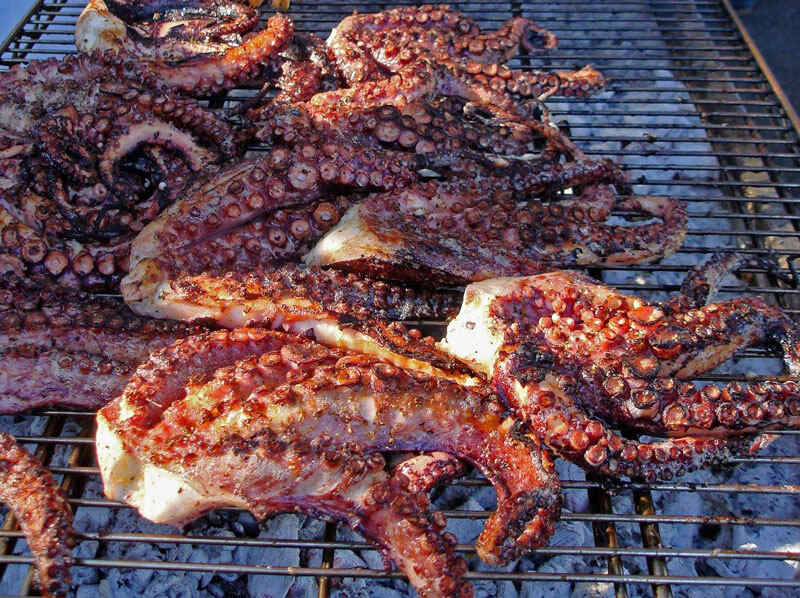
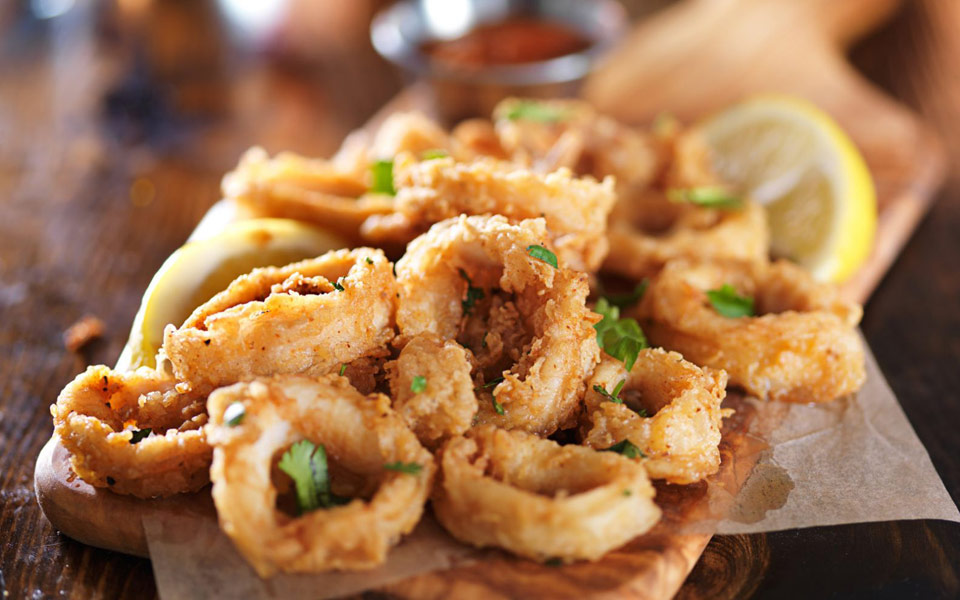
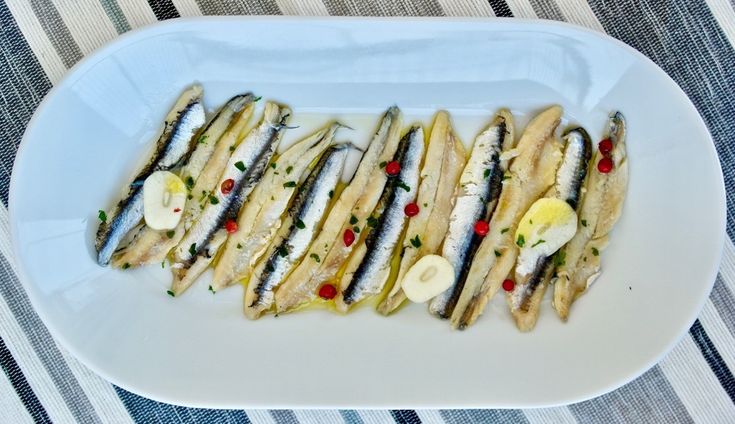
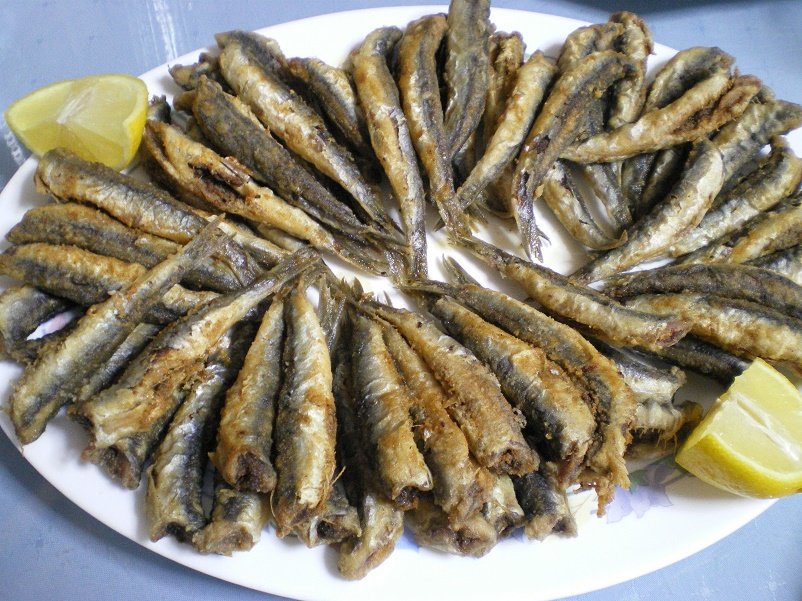
Greece’s extensive coastline provides an abundance of seafood dishes, such as grilled octopus, fried calamari, and marinated anchovies or fried anchovies (gavros)—perfect companions to ouzo or tsipouro.
Meat-Based Meze
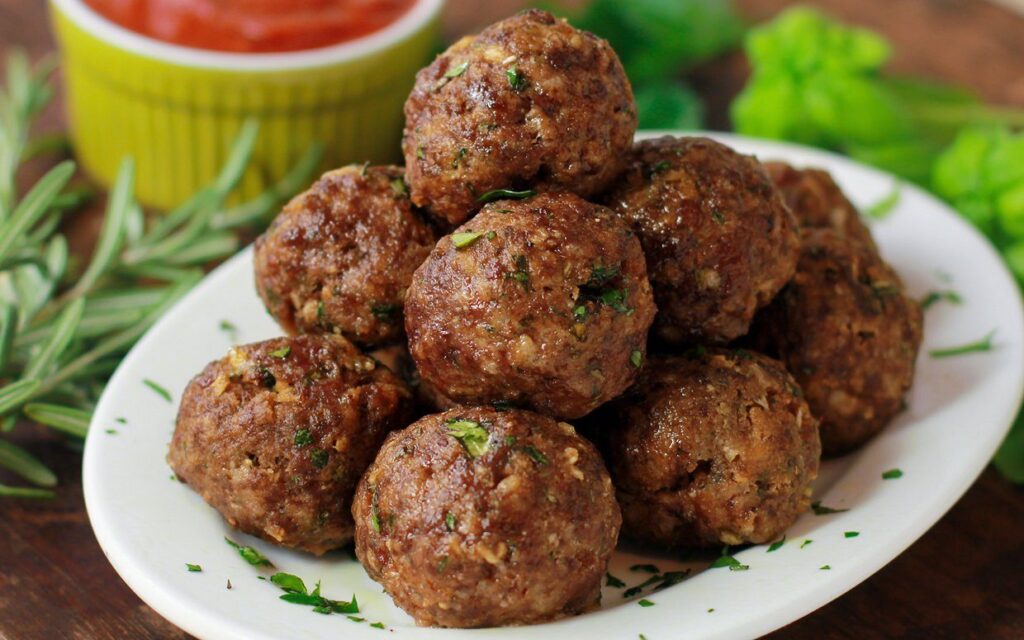
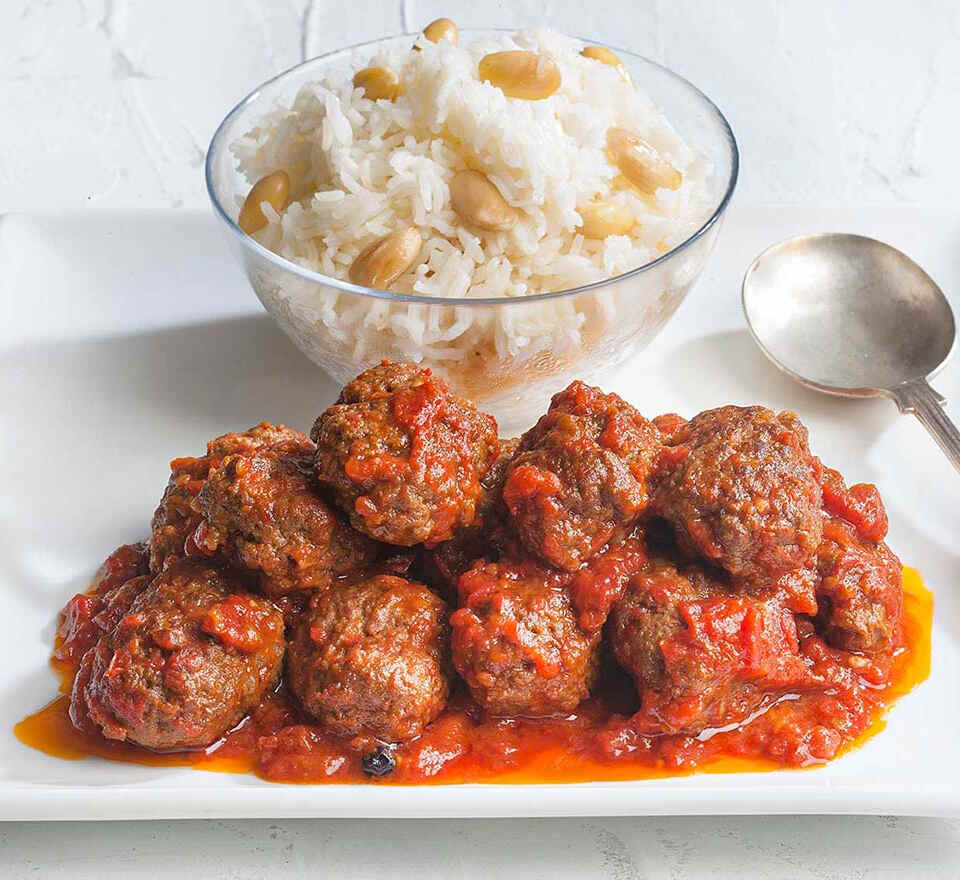
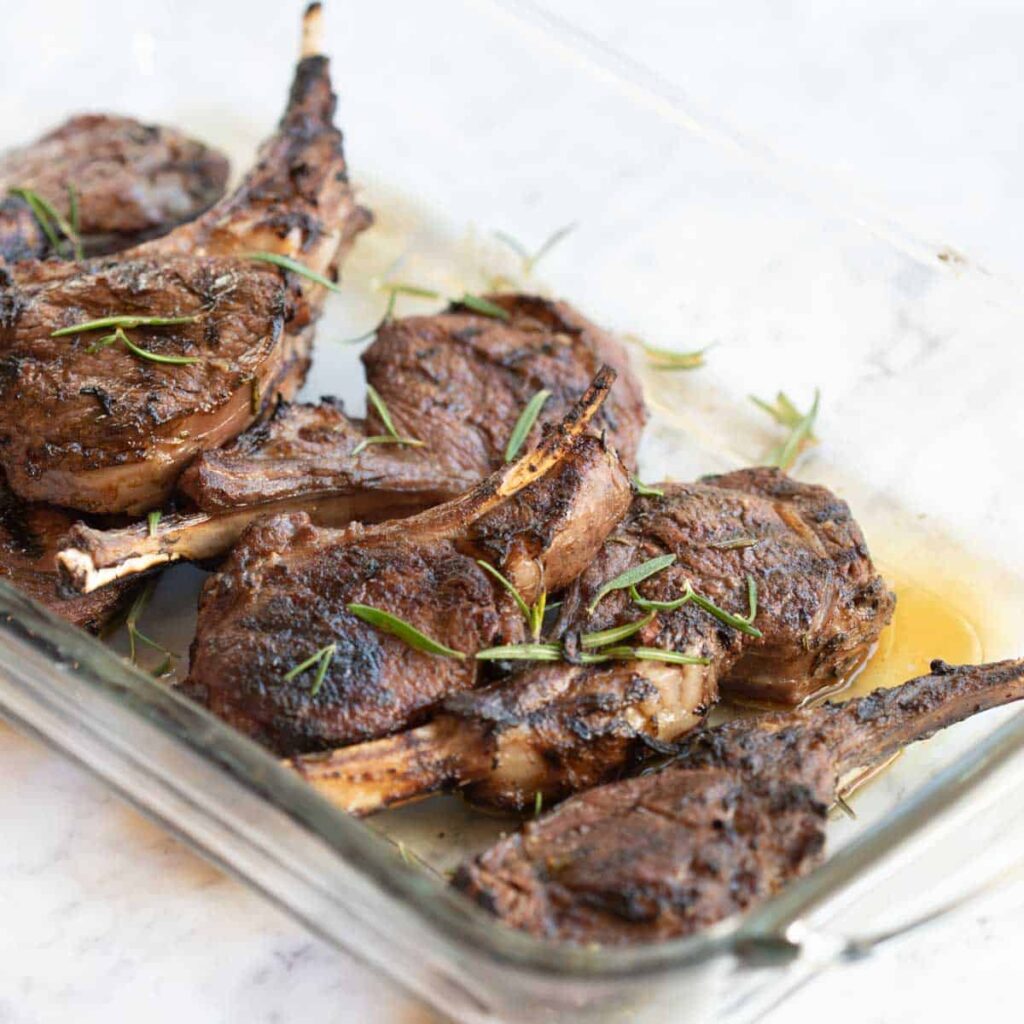
Popular meat meze include keftedakia (meatballs), soutzoukakia (spiced meatballs in tomato sauce), loukaniko (Greek sausage), and grilled lamb chops.

Vegetarian Delights
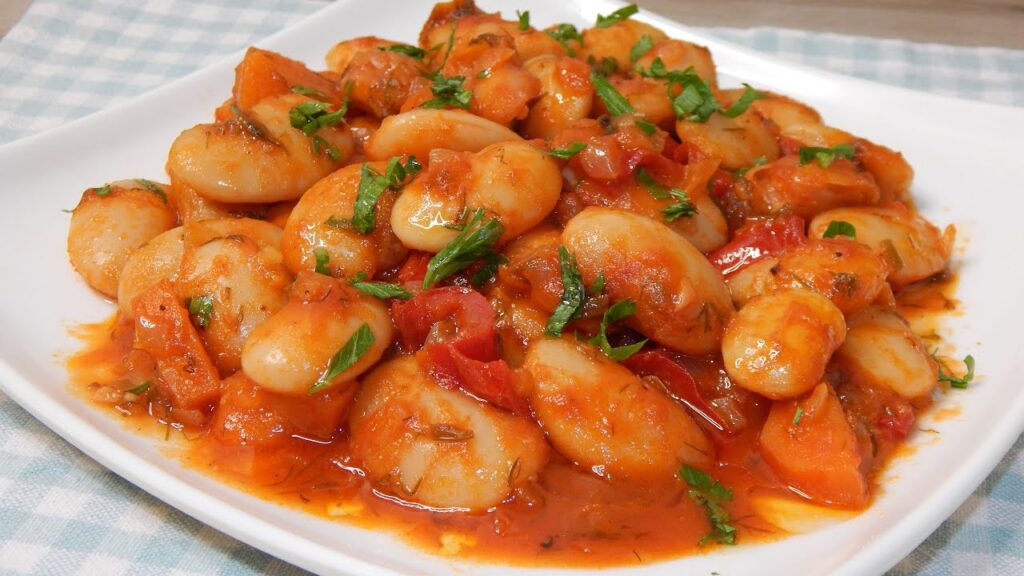
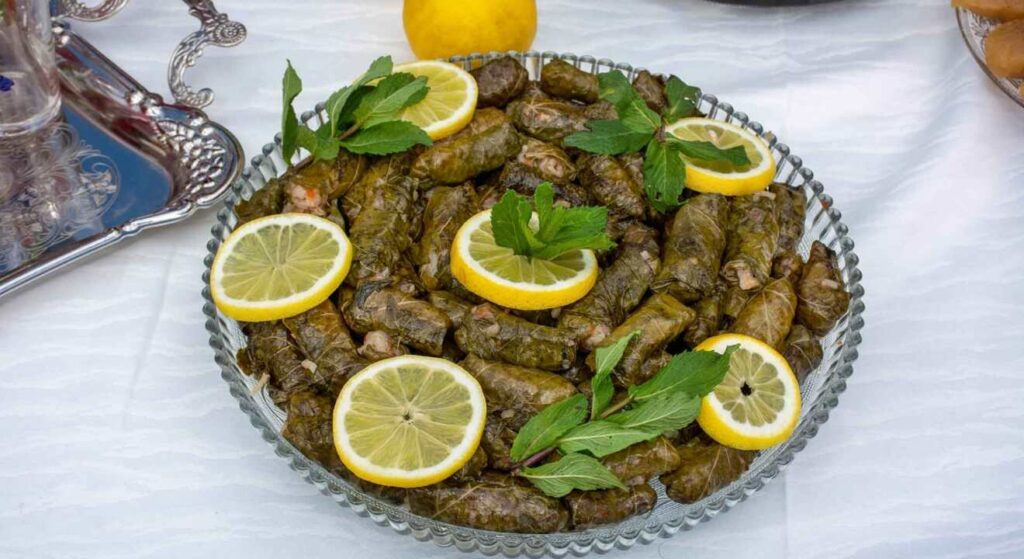
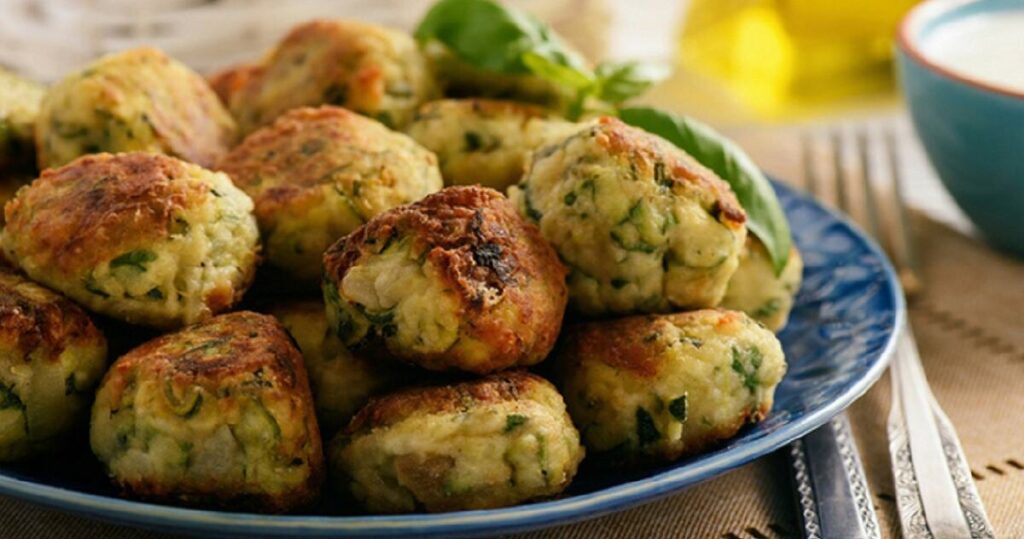
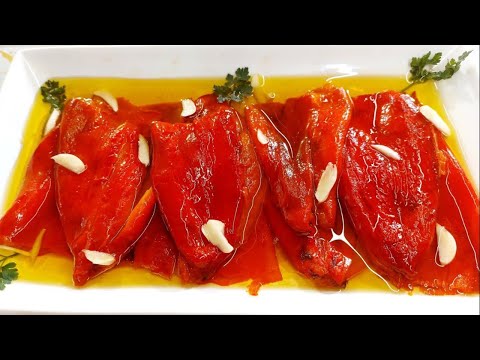
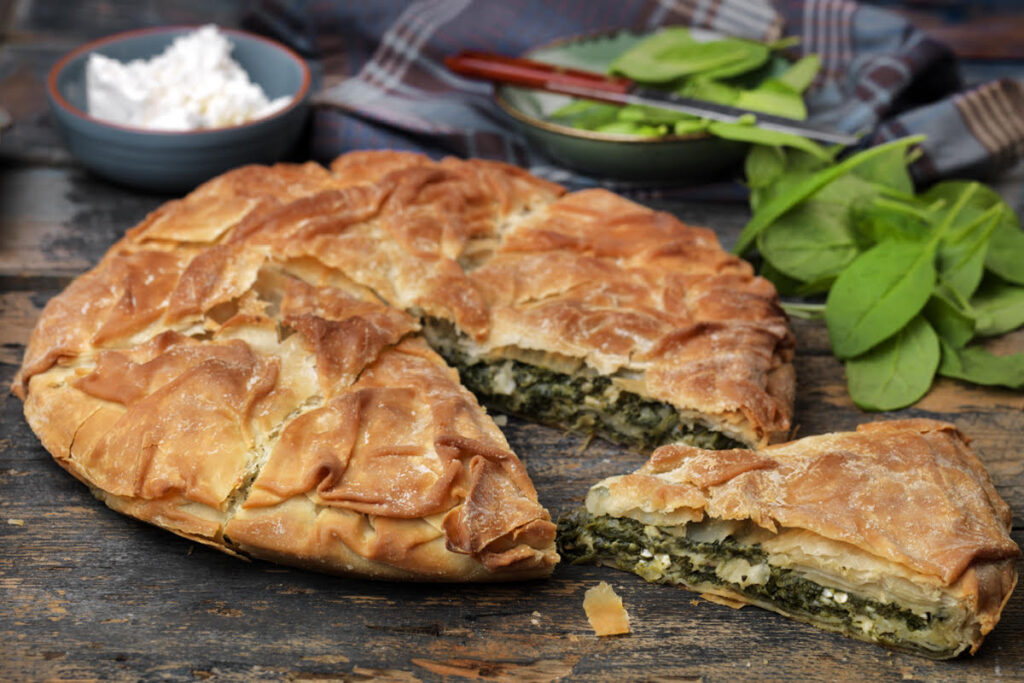
Vegetarian meze options such as dolmadakia, gigantes plaki, kolokithokeftedes, spanakopita, and Florina peppers highlight the Mediterranean balance between flavour and health.
Bread, Rusks, and Pita
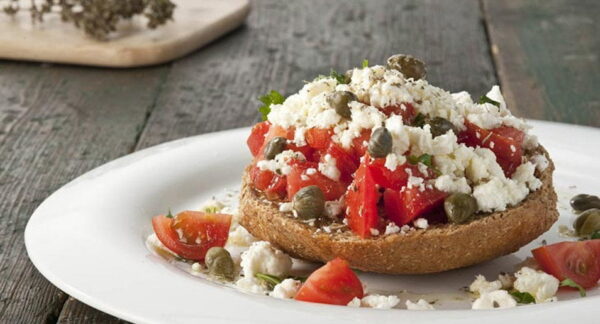
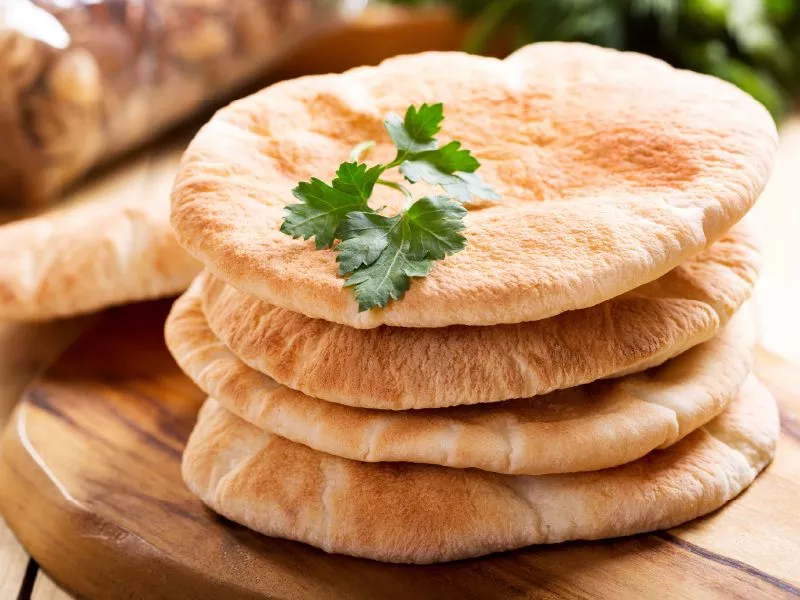
Bread is essential for dipping and sharing. Bread is a staple of Greek dining, often shared at the table with olive oil, cheese, or olives. Rusks, like Crete’s famous dakos, are crunchy barley bases topped with tomatoes, feta, and olive oil, capturing the simplicity and flavour of Greek tradition. Pita accompanies many dishes—from grilled meats to savoury pies—serving as both a vessel and a delicious complement. Together, these breads reflect the communal and flavorful spirit of Greek cuisine.
Creating the Perfect Meze Table
A meze table represents the heart of Greek meze culture: variety, abundance, and sharing. A typical table includes dips, cheeses, olives, grilled seafood, meat dishes, fresh vegetables, and Greek salad, all served with pita or bread for dipping.
Many Traditional Greek food tours include hands-on culinary experiences where visitors learn how to prepare meze dishes and understand the role of local ingredients in Greek gastronomy.
Regional Meze Traditions Across Greece
Each region of Greece offers its own interpretation of meze, shaped by local products and cultural influences.
Crete
Simple yet flavorful dishes featuring wild greens, graviera cheese, and olive oil.
Book your food tour in Crete here
Macedonia
Hearty meze with spicy sausages, bean dishes, and rich flavours influenced by the Balkans.
Book your food tour in Thessaloniki here
Cyclades
Seafood-focused meze with capers, sun-dried tomatoes, and fresh herbs.
Book your food tour in Kea or Santorini here
Epirus
Traditional pies, cured meats, and mushroom-based dishes from mountainous landscapes.
Book your food tour in Epirus here
These regional variations are a key highlight of the gastronomic experience in Greece, allowing travellers to explore culinary diversity across the country.
The Art of Sharing and Hospitality
Meze is spontaneous and generous. Plates arrive continuously, bread is used for dipping, and conversation flows freely. The philosophy of Greek dining is simple: food is meant to be shared. This communal spirit defines Traditional Greek food tours, where travellers connect with local communities through food.
From Ancient Symposia to Modern Taverns
The tradition of meze dates back to ancient Greek symposia, continued through Byzantine and Ottoman eras, and thrives today in traditional tavernas and modern mezedopolia. Experiencing meze on Traditional Greek food tours allows visitors to connect with Greece’s past and present through authentic Greek food tasting.
A Toast to Life and Greek Meze
Greek meze represents sharing, hospitality, and authentic Mediterranean flavours. Order a selection of small plates, pour a glass of ouzo or wine, and embrace the joy of Greek dining. Every meze dish tells a story of Greece, its people, and its culinary heritage—making Traditional Greek food tours an unforgettable journey into the heart of Greek gastronomy.