A Cradle of Civilisation and Culinary Heritage
One of Europe’s oldest continuously inhabited cities in the northeastern Peloponnese. Rich in ancient history, archaeological significance, and local traditions, Argos offers visitors a blend of cultural exploration, architectural marvels, and delectable regional cuisine.
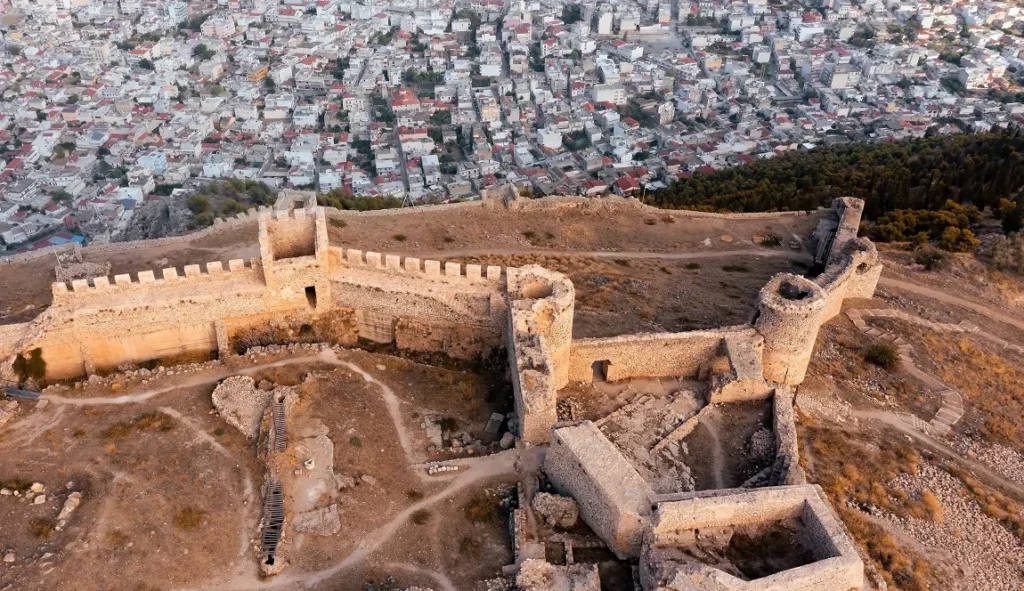
A town where history, culture, and gastronomy converge. From exploring ancient ruins to savouring dishes made with fresh, local ingredients, a visit to Argos is a journey through time and taste. Whether it’s the legendary past, the stunning landscapes, or the flavorful cuisine, it offers an authentic and unforgettable Greek experience.
History
- Ancient Period:
- Argos has been a vital centre of Mycenaean and later Greek civilisation for over 3,000 years.
- It was a major city-state during the Dorian invasion and is associated with figures like Perseus, the founder of Mycenae, and Danaus, who brought water culture to the region.
- Renowned for its contributions to art, architecture, and politics, ancient Greece pioneered sculpture and monumental architecture.
- Classical Era:
- A prominent player in the Persian Wars, but maintained neutrality during the Peloponnesian War.
- It was a hub of cultural and artistic innovation, with notable contributions to theatre and music.
- Roman and Byzantine Times:
- Under Roman rule, it flourished as a cultural and religious centre, with many structures built or renovated.
- During the Byzantine period, it remained a strategic and economic hub.
- Modern Era:
- Argos played a key role in Greece’s War of Independence in the 19th century.
- Today, it is a charming town that combines its ancient heritage with modern life.
Landmarks
- Argos Fortress:
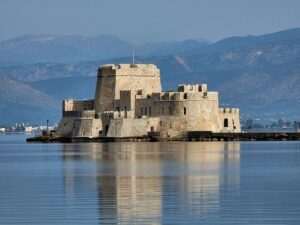
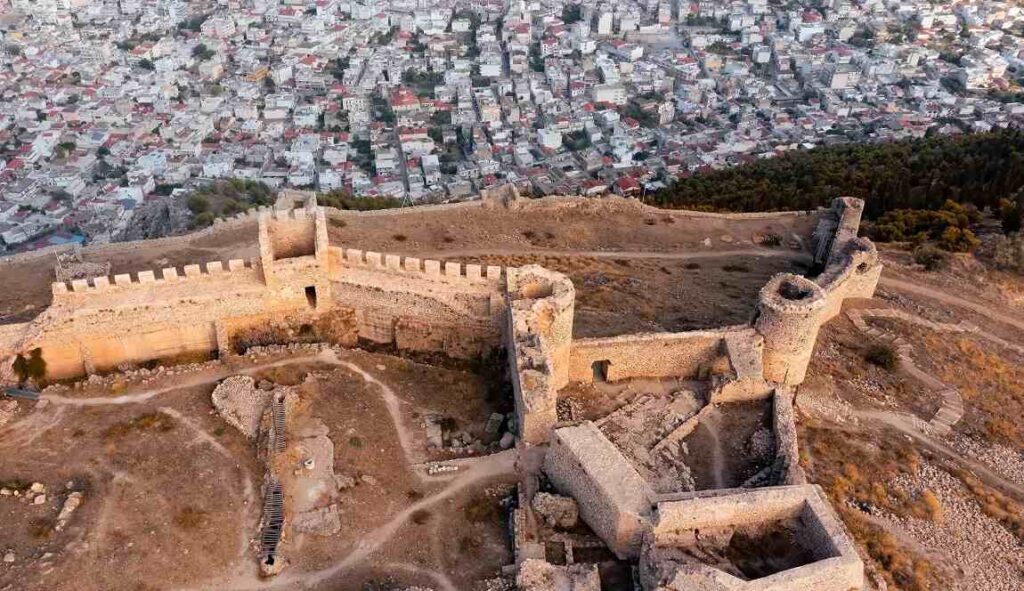
- This Byzantine castle, perched atop a hill, offers stunning views of the Argolic plain. Its layered history includes ancient, medieval, and Ottoman fortifications.
- Ancient Theatre:
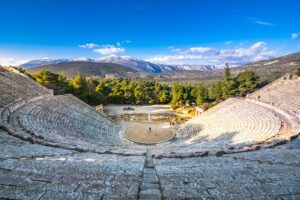
- It is one of the largest theatres in Greece, dating back to the 3rd century BCE and capable of seating up to 20,000 spectators. It is still used for performances today.
- Agora and Vouleuterion:
- The ruins of the ancient marketplace and council house showcase Argos’ political and commercial importance in antiquity.
- Tiryns (UNESCO World Heritage Site):
- Located just outside the city, this Mycenaean citadel is famed for its Cyclopean walls and association with Homeric legends.
- Byzantine Churches:
- The Church of Agios Petros and the Monastery of Panagia Katakekrymeni are notable examples of Byzantine religious architecture.
- Archaeological Museum:
- A treasure trove of artefacts, including sculptures, pottery, and jewellery from prehistoric to Roman times.
Local Products
- Citrus Fruits:
- The Argolic plain is known for its fragrant oranges, mandarins, and lemons.
- Olive Oil:
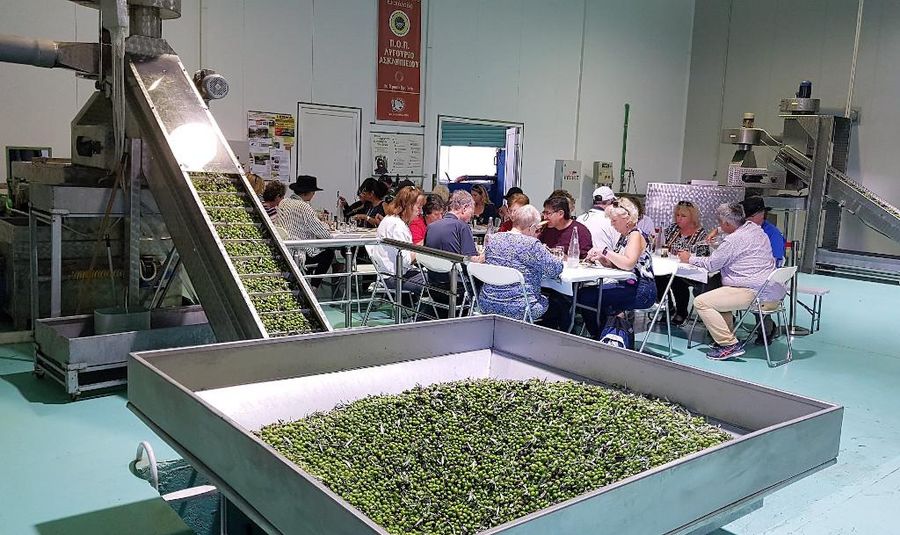
- Extra virgin olive oil from Argos is prized for its robust flavour and high quality.
- Honey:
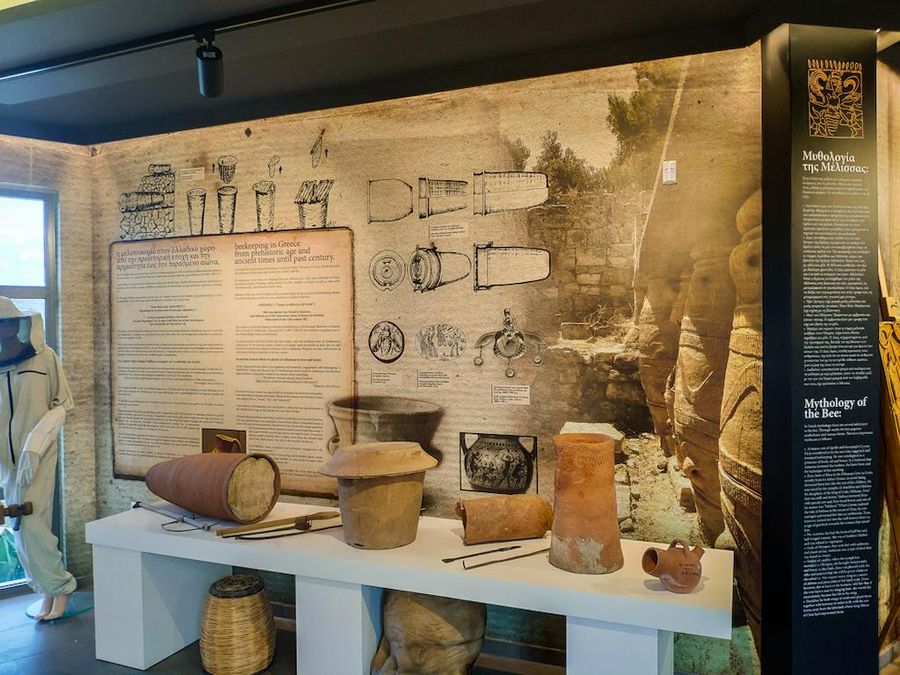
- Local thyme and wildflower honey are aromatic and rich, used in traditional recipes and as a natural sweetener.
- Pomegranates:
- Argos is celebrated for its pomegranates, symbolising fertility and prosperity in Greek culture.
- Herbs and Aromatics:
- Oregano, thyme, and rosemary grow abundantly in the region and are key to its culinary identity.
Explore Our Argos Food Tours
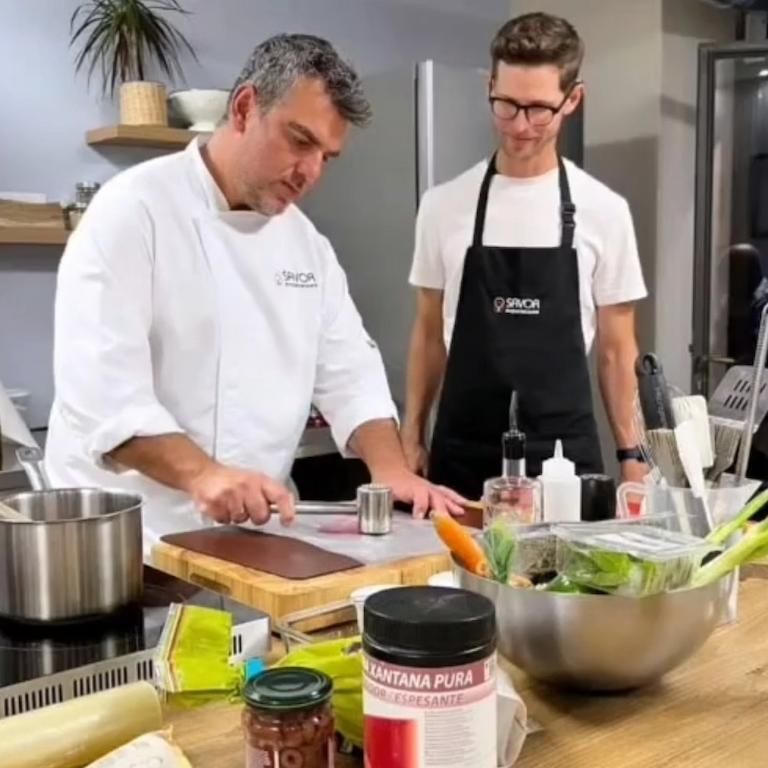
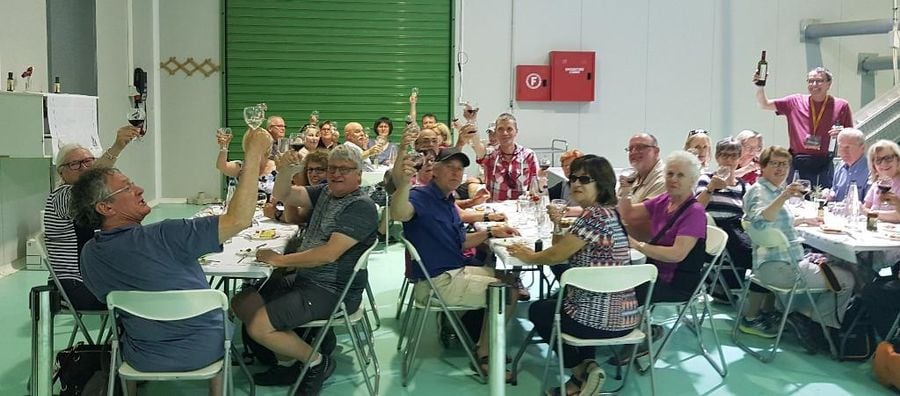
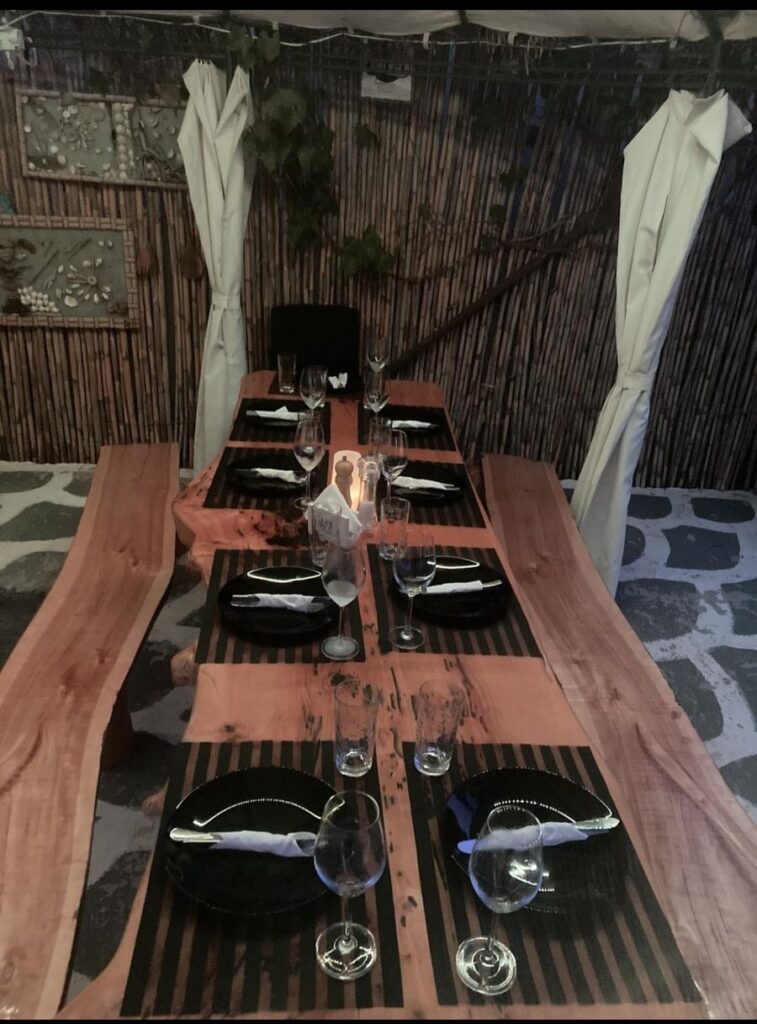
Discover Argos through its food with tours designed for travellers who want to meet local producers and learn about the region’s products and cuisine. Visit farms and small workshops, see how food is made, and gain a genuine insight into the region’s everyday food culture.
Local Dishes of Argos
- Arni Frikase (Lamb Fricassée):
- A hearty lamb dish cooked with wild greens, lemon, and egg-lemon sauce.
- Kotosoupa Avgolemono:
- A comforting chicken soup thickened with rice and a tangy egg-lemon sauce.
- Stuffed Vegetables (Gemista):
- Tomatoes, peppers, and zucchini stuffed with rice, herbs, and occasionally minced meat, baked until tender.
- Baked Eggplant (Melitzanes Imam):
- Eggplants stuffed with tomatoes, onions, and spices, slow-cooked in olive oil.
- Pork with Celery (Hirino me Selino):
- A traditional dish featuring tender pork cooked with celery in a lemon sauce.
- Desserts:
- Galaktoboureko: A custard-filled philo dessert soaked in syrup.
- Melopita: Honeypie made with local honey and fresh cheese.