The Legendary Gateway of Courage and Sacrifice – A Historic Landmark of Global Significance
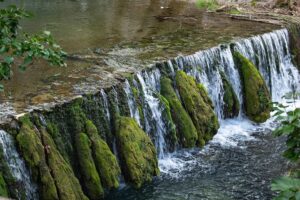
Thermopylae is one of the most iconic historical sites in Greece and a symbol of courage recognised worldwide. Situated between the mountains of Central Greece and the Malian Gulf, Thermopylae has long served as a strategic passage connecting northern and southern Greece. Its name, meaning “Hot Gates,” derives from the natural thermal springs that continue to flow in the area today.
More than any other event, Thermopylae is associated with one of the most celebrated acts of heroism in world history.
The Battle That Became a Legend
In 480 BCE, Thermopylae was the setting of the famous Battle of Thermopylae between the invading Persian forces of King Xerxes and a coalition of Greek city-states led by the Spartan king Leonidas I.
At the time, the pass of Thermopylae was extremely narrow—approximately twelve metres wide in some sections—allowing the Greeks to neutralise the Persians’ overwhelming numerical superiority and prevent the effective use of Persian cavalry. Today, due to centuries of sediment deposited by the Spercheios River, the landscape is considerably wider than it was in antiquity.
For two days, the Greek defenders successfully resisted repeated Persian assaults. On the third day, however, a local Greek named Ephialtes betrayed the defenders by revealing a hidden mountain path that allowed the Persian army to outflank the Greek position. Realising the battle was lost, Leonidas dismissed most of the allied Greek forces so they could regroup and organise further defences to the south. He remained behind with an elite force of 300 Spartans, along with Thespians and other allies, choosing to fight to the death.
Although the Greeks were ultimately defeated, their stand at Thermopylae became one of history’s most enduring symbols of bravery, duty, self-sacrifice, and devotion to one’s homeland. The battle is often regarded as one of the most significant events in Greek and world history, not only for its military importance but also for the ethical ideals it represents.
A Destination of History and Inspiration
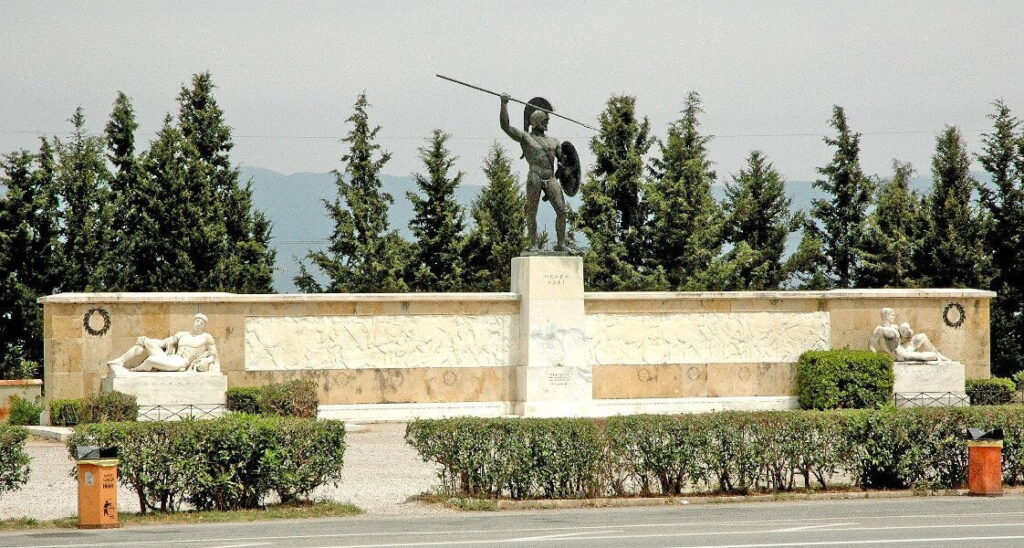
Today, Thermopylae remains one of Greece’s most powerful historical sites. The Monument of Leonidas and the nearby interpretation centre allow visitors to connect with a story that has inspired generations across the world.
Combining legendary history, natural beauty, thermal springs, and traditional gastronomy, Thermopylae offers a unique journey into the values of courage, sacrifice, and resilience that continue to resonate more than 2,500 years after the battle.
A Landscape Shaped by Nature
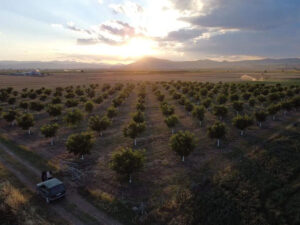
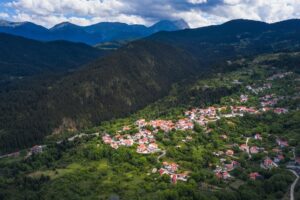
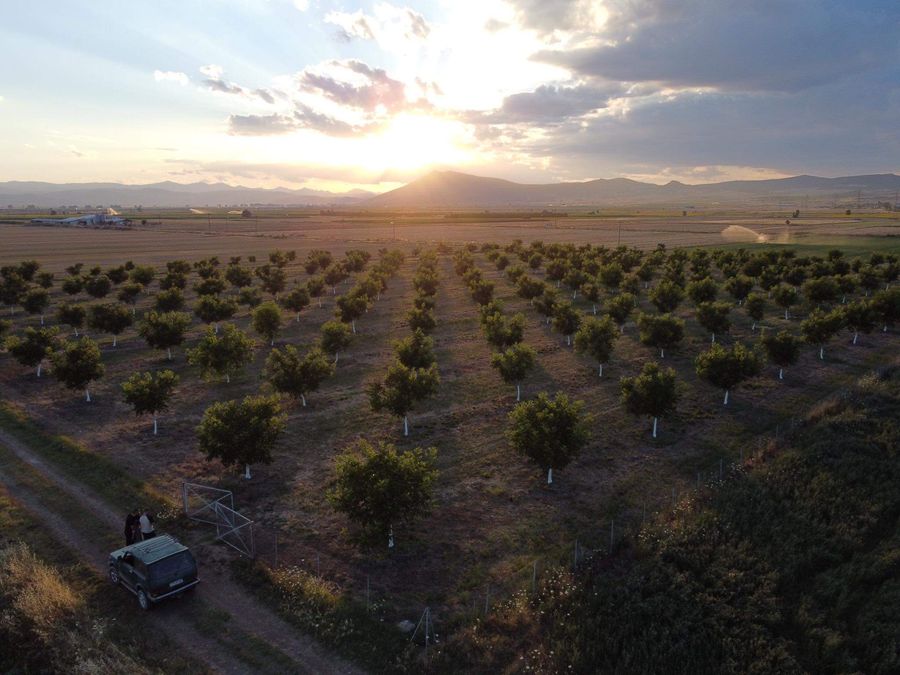
Beyond its historical importance, Thermopylae is characterised by a distinctive natural landscape of mountains, wetlands, agricultural plains, and thermal springs. The mineral-rich hot springs that gave the area its name continue to attract visitors seeking relaxation and wellness.
The surrounding countryside offers views of Mount Oeta and fertile agricultural land that has supported local communities for centuries.
The Gastronomic Identity of Thermopylae
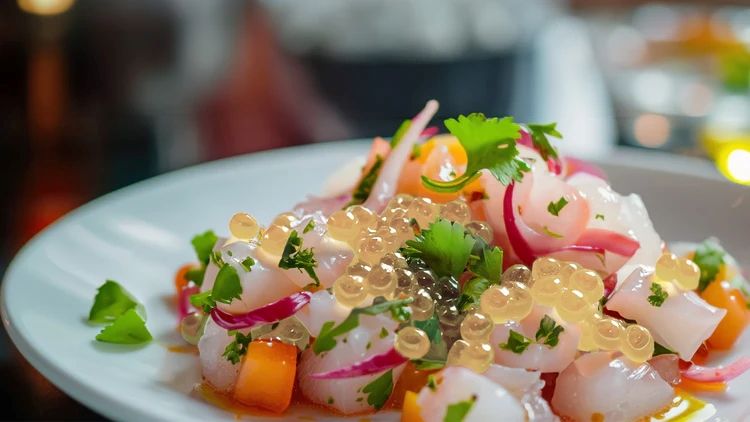
The cuisine of Thermopylae reflects the rural traditions of Central Greece. Local gastronomy is based on olive oil, vegetables, legumes, mountain herbs, dairy products, and livestock raised in the surrounding highlands.
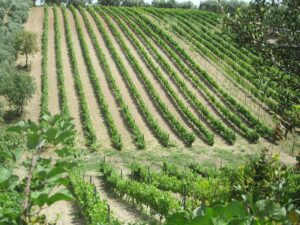
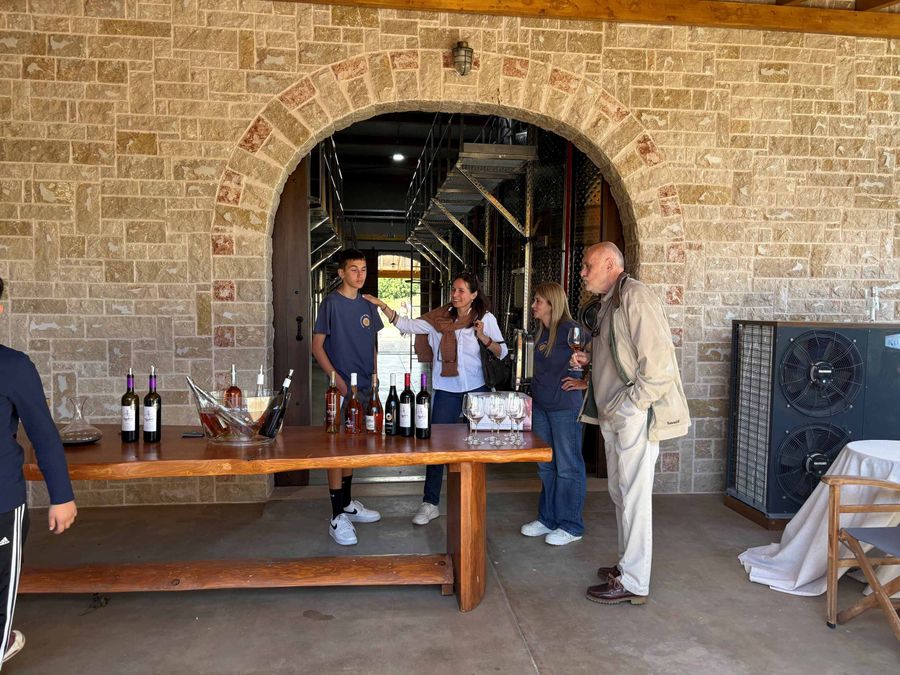
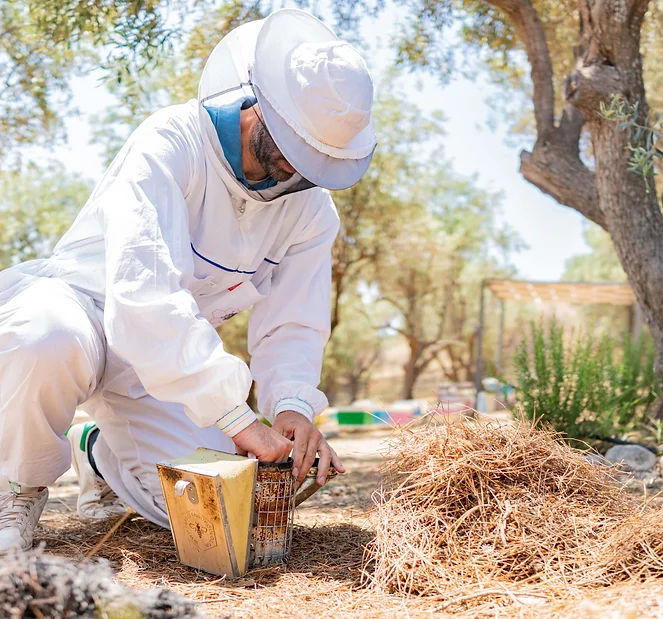
Traditional dishes include slow-cooked meats, handmade pies, seasonal greens, local cheeses, and recipes rooted in agricultural life. Honey, olives, and regional wines also play an important role in the area’s culinary identity.
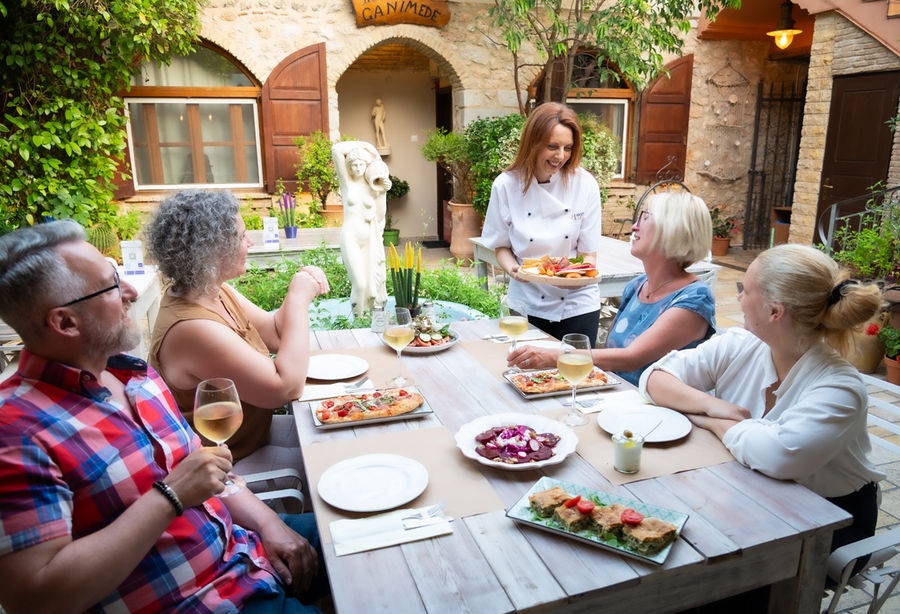
Visitors exploring Thermopylae often combine historical sightseeing with authentic tavernas and local producers that showcase the flavours of Central Greece.
Thermopylae Museum (Center of Historical Information of Thermopylae)
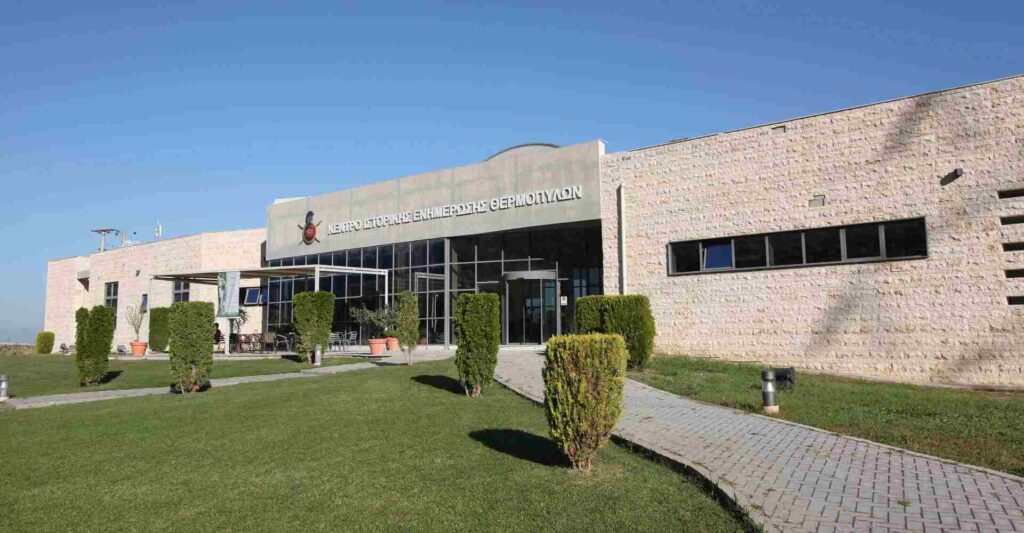
This modern museum is dedicated to the battle and the region’s history. Interactive exhibits, 3D displays, and multimedia presentations help bring the events to life, making it an engaging experience for all ages. The museum also explains the strategic significance of Thermopylae throughout history.
Click here for more information about the Museum
Gastronomy
Thermopylae, famous for its historical significance, isn’t a prime spot for gastronomy itself. Most visitors come to see the ancient battlefield and hot springs rather than for unique local food. However, the surrounding region offers some engaging Greek culinary experiences worth exploring.
In nearby towns like Lamia or Kammena Vourla, traditional Greek taverns serve dishes that reflect central Greece’s flavours. Expect classic Greek dishes: souvlaki, moussaka, fresh seafood, and local cheeses. If you’re interested in unique regional tastes, try kontosouvli (a large skewer of slow-roasted pork) or kokoretsi (lamb or goat intestines with herbs), specialities in Central Greece.
In short, Thermopylae itself isn’t known as a gastronomic destination, but a visit to nearby areas can offer authentic and hearty Greek cuisine to complement the historical experience.