A Truly Authentic Greek Island
Thasos was liberated from Ottoman rule in 1912 and became part of the modern Greek state. Today, it stands out as one of the most authentic destinations in Greece. While many neighbouring islands have embraced international influences, Thasos has preserved its traditions, making it an ideal destination for authentic food tours. Its inhabitants are engaged in the timber industry, quarrying its exquisite marble, tourism, olive cultivation and olive oil production, and honey production.
Scenic Landscapes & Coastal Food Experiences
Thasos combines breathtaking scenery with rich gastronomy, creating the perfect setting for immersive food tours. The island is covered with rolling hills, vineyards, and olive groves that directly influence its culinary traditions.
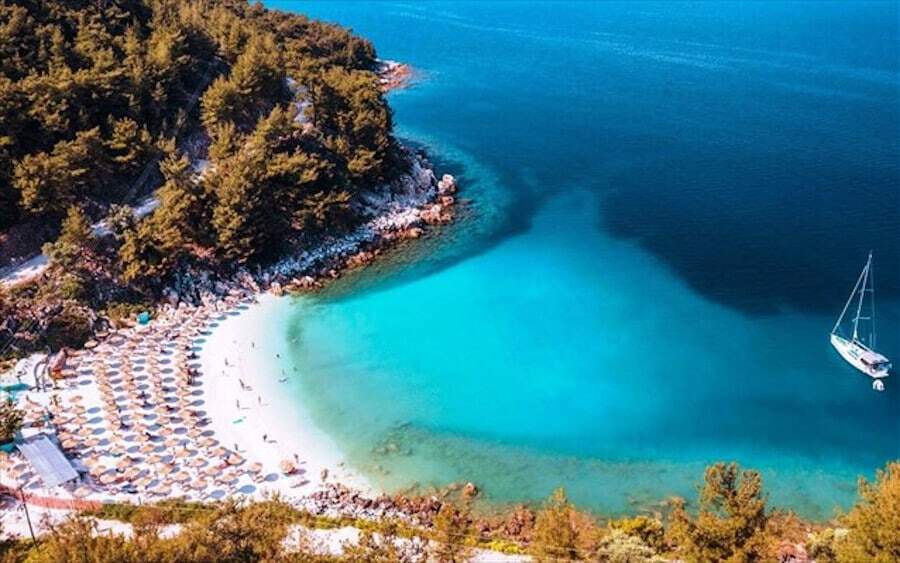
Along the coastline, visitors can enjoy a variety of beaches. Golden Beach is the most famous, known for its golden sands and nearby tavernas where many Thasos food tours introduce visitors to fresh seafood and local dishes.
The island’s waterfalls, forests, and mountain villages also play a key role in shaping the experience, offering scenic stops often included in curated food tours.
A Rich History Behind Thasos Food Tours
Life on Thasos dates back to the Stone Age, and over the centuries, civilisations such as the Romans and Egyptians have influenced its culture and cuisine. In Thasos Town, visitors can explore ancient landmarks such as the Roman amphitheatre and acropolis before enjoying traditional meals on cultural food tours.
Limenaria & Cultural Food Tour Stops
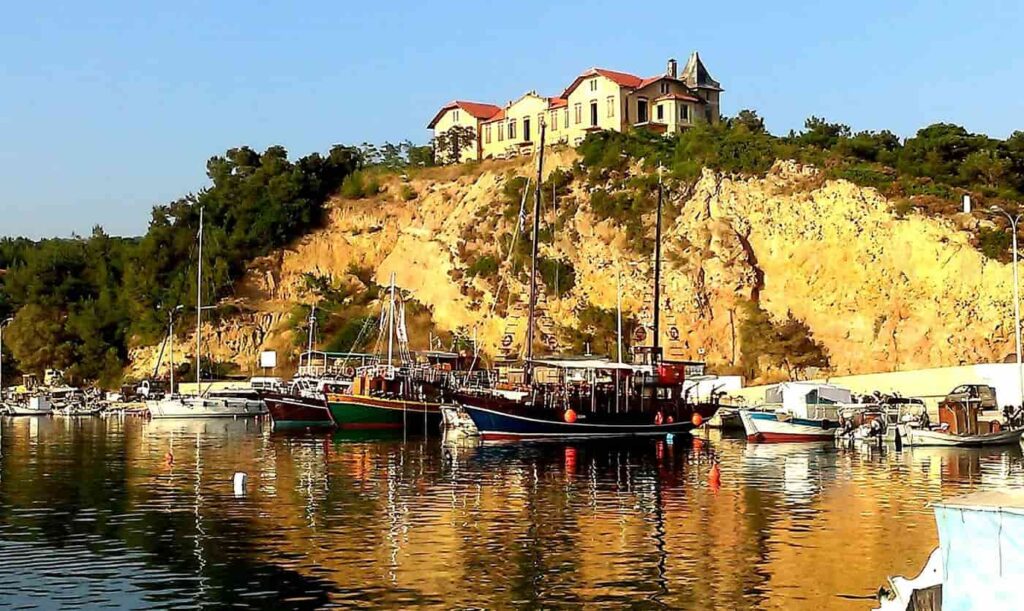
On the west coast, Limenaria reflects the island’s industrial past. Once the centre of the mining industry, it now serves as a unique stop on some food tours in Thasos, combining history with local gastronomy. Visitors can explore historic sites and enjoy authentic meals in seaside tavernas.
Local Life & Farm-to-Table Traditions
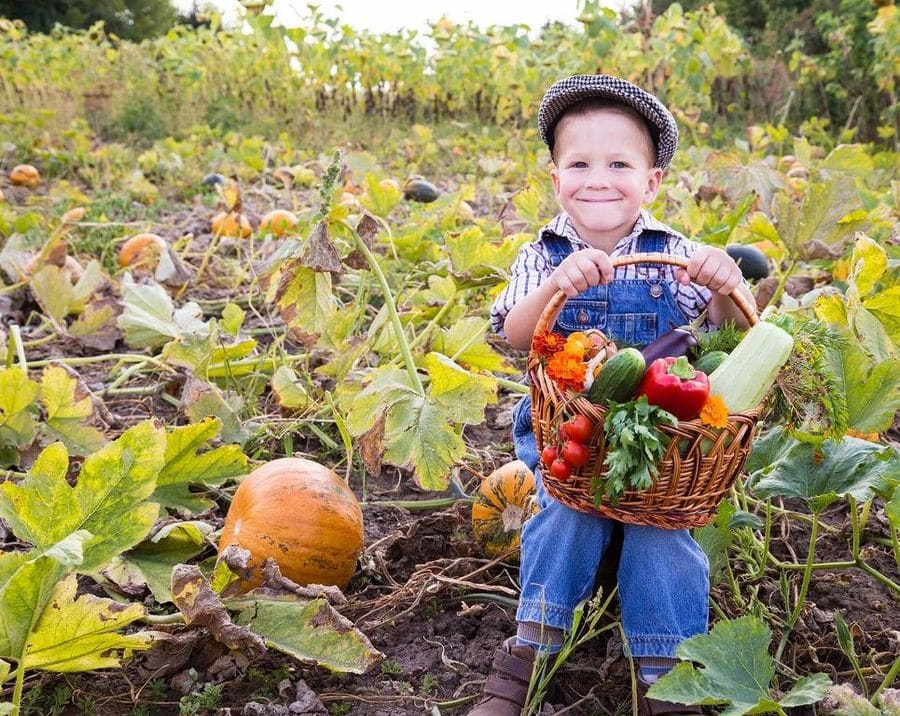
Local Food tours are deeply connected to local life. Residents are engaged in olive oil production, honey making, marble quarrying, and farming. These traditions are reflected in the island’s cuisine, with many tours offering tastings of fresh, locally produced ingredients.
Visitors can experience farm-to-table dining, sample high-quality olive oils, and discover traditional production methods passed down through generations.
A Culinary Destination for Every Traveller
Thasos is a paradise for food lovers. Whether you join organised food tours or explore independently, you will discover authentic flavours in village tavernas and family-run eateries.
By visiting different villages and dining with locals, you can experience unique tastes and aromas that define the island’s culinary identity.
Must-Try Dishes on Food Tours
Peppered Cabbage: A winter dish made with pickled cabbage, white beans, and spices. Rich and warming, it pairs perfectly with local red wine in mountain villages.
Tatarka: A seasonal dish featuring fresh vegetables, herbs, zucchini, peppers, and greens. Light and vibrant, it is often highlighted in modern Thasos food tours.
Stuffed Zucchini Flowers & Sarmadakia: Delicate zucchini flowers stuffed with cheese, herbs, or rice, often served with stuffed grape leaves. A perfect light summer meal.
Pitarakia: Crispy zucchini fritters flavoured with mint and spices, served with sweet zucchini relish and paired with ouzo or retsina.
Kolios “Gouna”: A traditional smoked-and-baked mackerel dish with a rich, distinctive flavour. Best enjoyed with local tsipouro.
Bouyourdi: A classic Greek meze of baked feta, tomatoes, peppers, and olive oil. Simple, authentic, and a staple in many food tours in Thasos.
Why Choose Food Tours
Choosing food tours means experiencing the island beyond the typical tourist path. From tasting traditional recipes and fresh local ingredients to exploring historic villages and meeting local producers, these tours offer a complete cultural and gastronomic journey rooted in the island’s authentic character.
Thasos food tours combine stunning landscapes, rich history, and traditional cuisine—creating an unforgettable Greek island experience shaped by nature, heritage, and local life.