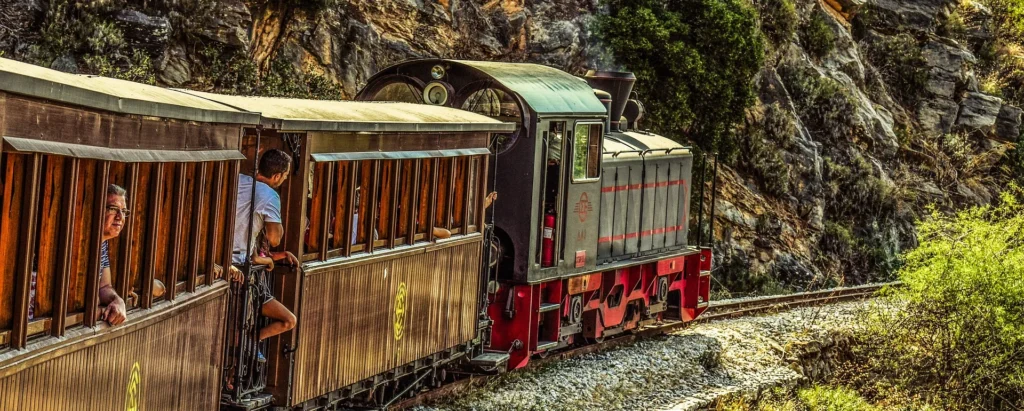
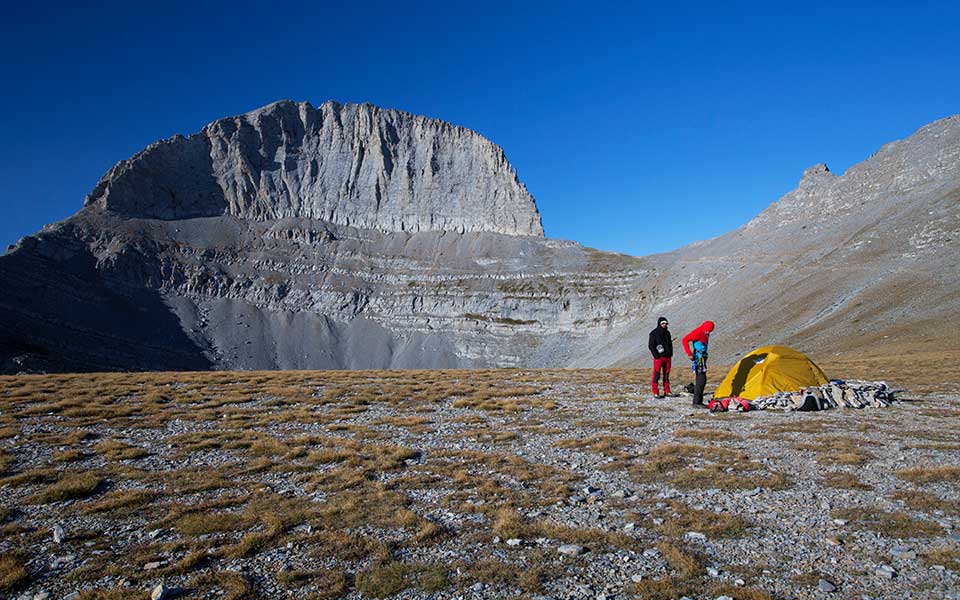
Mount Olympus, located in northern Greece between Macedonia and Thessaly, is the country’s highest mountain and one of its most iconic travel destinations. Rising majestically between the Greek mainland and the Aegean Sea, it blends ancient Greek mythology, dramatic landscapes, outdoor adventure, and authentic food tours, making it a must-visit location for nature lovers, cultural travellers, and culinary explorers alike.
Mount Olympus and Greek Mythology
In ancient Greek mythology, Mount Olympus was believed to be the home of the twelve Olympian gods, ruled by Zeus, the king of the gods. This mythical heritage gives the mountain a timeless aura that continues to captivate visitors today. Every peak, forest, and trail carries the legacy of legends that shaped Western civilisation, adding a powerful cultural dimension to guided tours and local experiences.
The Highest Mountain in Greece
At 2,918 metres, Mytikas Peak is the highest point in Greece. The mountain is protected within Olympus National Park, established in 1938 as Greece’s first national park and later designated a UNESCO Biosphere Reserve. The park features deep gorges, alpine meadows, dense pine and beech forests, and rugged rocky summits with panoramic views stretching from the mountains to the sea.
Hiking and Outdoor Activities
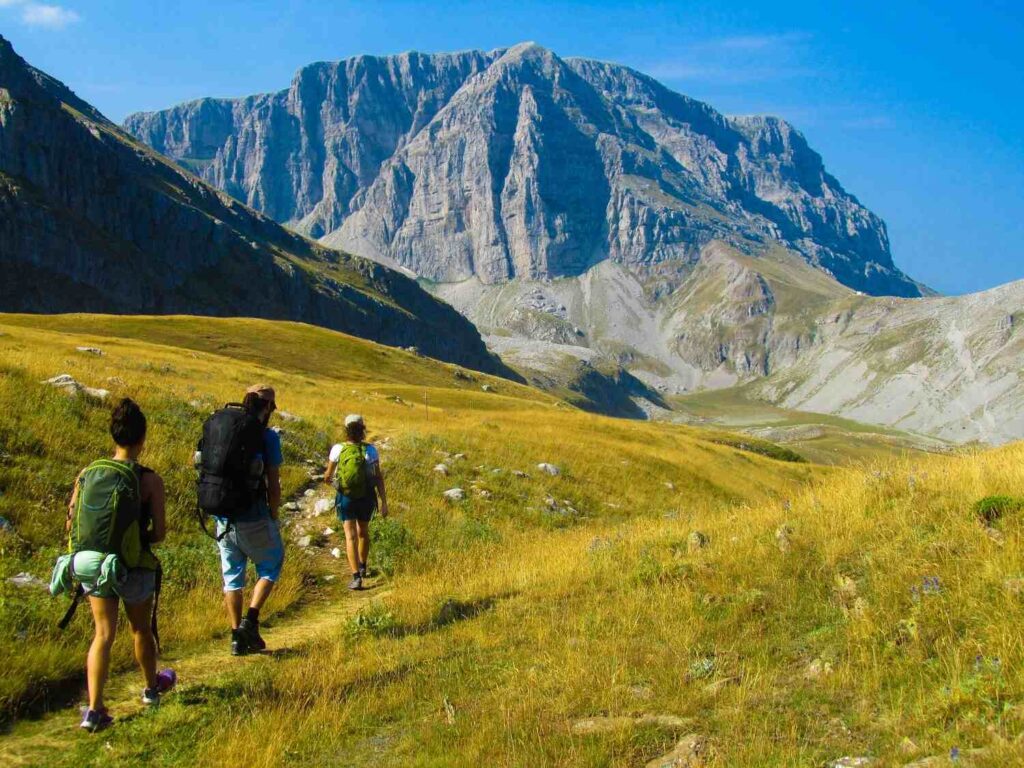
Hiking on Mount Olympus is among the best in Greece. Well-marked trails accommodate all experience levels, from gentle nature walks to challenging summit climbs. One of the most popular routes is Prionia to Refuge A (Spilios Agapitos), ideal for fit and active visitors. Experienced hikers can attempt the final ascent to Mytikas, a thrilling climb rewarded with breathtaking views.
In addition to hiking, the area offers year-round opportunities for mountaineering, wildlife observation, photography, eco-tourism, and adventure-and-food tours that showcase the region’s natural and culinary wealth.
Biodiversity and Natural Beauty
Mount Olympus is one of Europe’s richest natural environments, home to over 1,700 plant species, many of them endemic. Wildlife includes chamois, birds of prey, and small mammals, making the area ideal for nature enthusiasts, photographers, and eco-travellers year-round.
Local Products, Gastronomy, and Food Tours Around Mount Olympus
The region surrounding Mount Olympus is renowned for its authentic local products and deeply rooted gastronomic traditions. Visitors can experience this rich culinary heritage through carefully curated food tours that showcase aromatic mountain herbs and teas, premium pine and wildflower honey, and traditional cheeses, yoghurt, and butter crafted by local farmers using time-honoured methods.
A highlight of these experiences is Olympus mountain tea, harvested on the mountain’s higher slopes, where the clean air, rocky soil, and altitude give it exceptional quality and intensity. Known for its delicate aroma and warming, earthy flavour, mountain tea has been valued since antiquity for its soothing and restorative properties. Traditionally enjoyed during colder months, it is deeply embedded in local daily life and hospitality, often served to guests as a gesture of welcome and care.
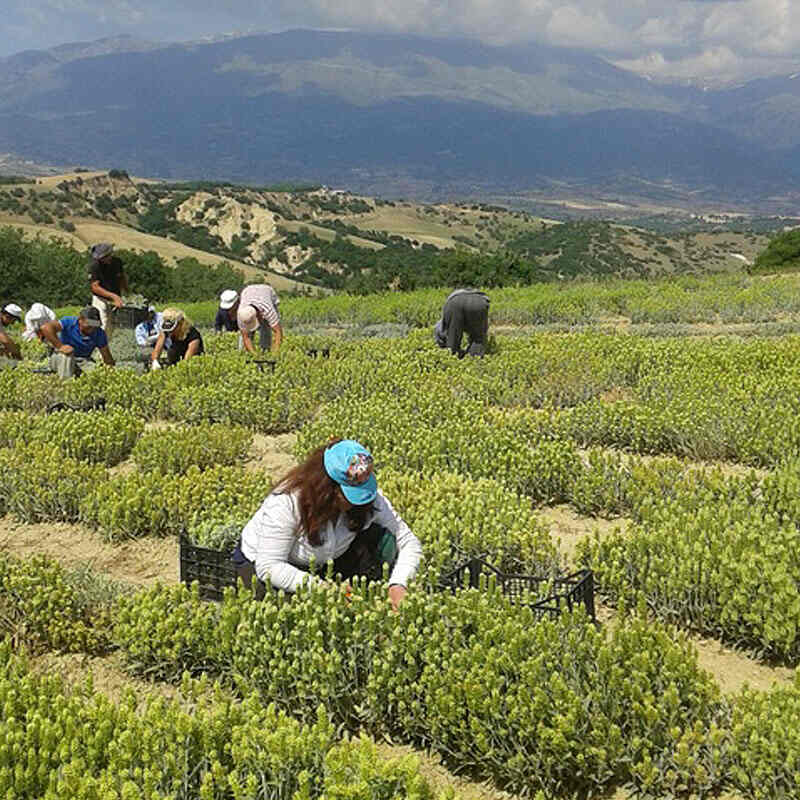
Explore Our Mount Olympus Food Tours
Discover Mount Olympus through its food with tours designed for travellers who want to meet local producers and learn about the region’s products and cuisine. Visit farms and small workshops, see how food is made, and gain a genuine insight into the region’s everyday food culture.
Cultural Attractions Near Mount Olympus
Cultural experiences further enrich any visit. Nearby lies the ancient city of Dion, a sacred site dedicated to Zeus, featuring temples, theatres, and impressive mosaics. The traditional village of Litochoro, the main gateway to Mount Olympus, offers welcoming accommodation, local tavernas, and easy access to hiking trails and culinary food tours.
Best Time to Visit Mount Olympus
The best time to visit Mount Olympus is from late spring to early autumn, when hiking trails are accessible, food tours operate regularly, and the weather is favourable. In winter, the mountain is snow-covered and suitable mainly for experienced climbers and winter sports enthusiasts.
Why Visit Mount Olympus?
Mount Olympus is more than a mountain—it is a destination that seamlessly blends mythology, natural beauty, culture, adventure, and immersive food tours. Whether hiking legendary trails, exploring ancient sacred sites, or tasting authentic local flavours, it offers one of the most powerful and unforgettable travel experiences in Greece.