The Culinary Capital of Messenia and a Paradise for Food Tours
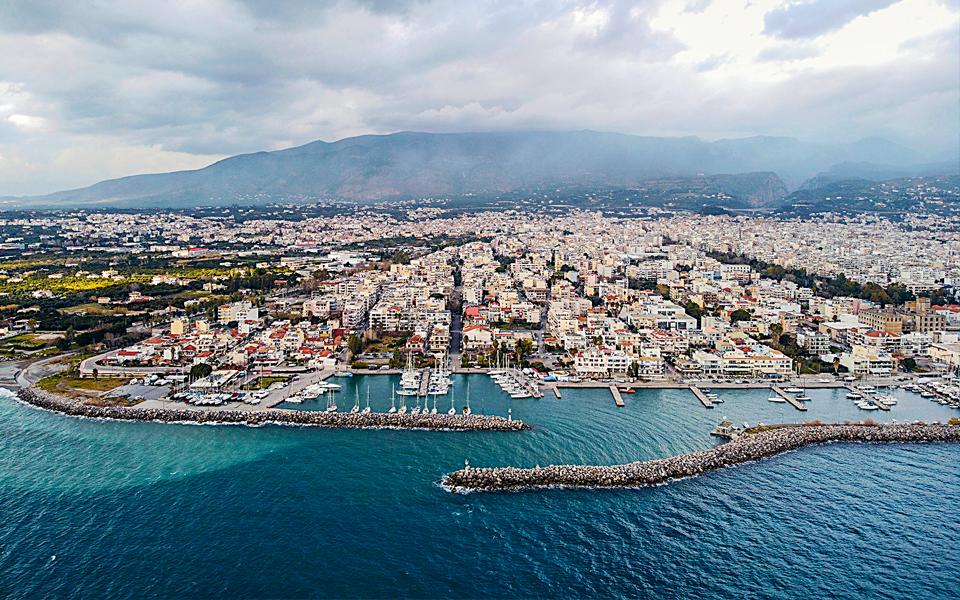
Kalamata, the capital and main port of the Messenia prefecture, is built on the site of ancient Farai, a settlement with deep historical roots dating back to antiquity. Over the centuries, the city experienced periods of prosperity and conquest, including occupation by the Ottoman Turks beginning in 1459.
Kalamata holds a special place in modern Greek history, as it was among the first cities liberated during the Greek War of Independence on March 23, 1821. Following independence, the fertile Messinian plains enabled the city to flourish economically, transforming Kalamata into a wealthy and vibrant urban centre.
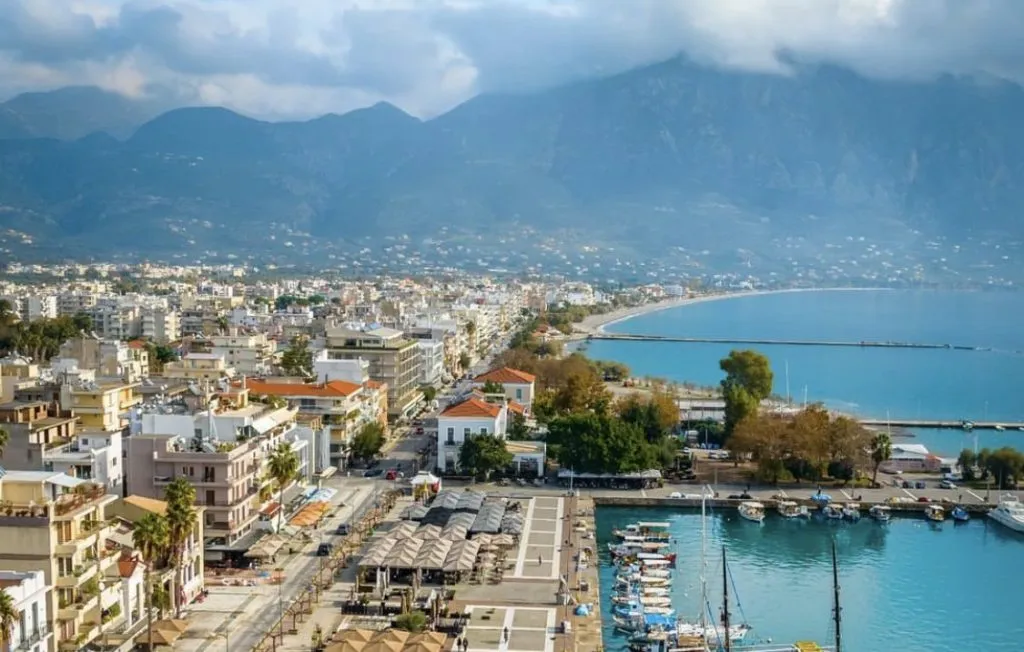
Today, magnificent Mount Taygetos rises dramatically above the city, creating a striking natural backdrop that defines the region’s landscape. Modern Kalamata blends tradition and contemporary lifestyle, offering visitors stylish cafés, lively beach bars, excellent restaurants, comfortable hotels, bustling markets, and historic buildings that reflect its layered past.
The city’s dynamic atmosphere is further enhanced by its important commercial port, renowned summer dance festival, energetic nightlife, and a long, seemingly endless beach stretching along the Messinian Gulf. Known as one of the most blessed regions of the Peloponnese, Kalamata attracts travellers seeking culture, relaxation, and authentic food tours that highlight local flavours and traditions.
Discover Kalamata Through Food Tours
In recent years, food tours in Kalamata have gained popularity as visitors look for immersive ways to explore the region. These tours combine culinary tastings with visits to markets, farms, olive groves, and traditional workshops, allowing travellers to experience Messenia through its agricultural heritage. Thanks to fertile soil, mild climate, and centuries-old farming practices, the region produces some of Greece’s most celebrated ingredients.
Food tours often begin with Kalamata’s most famous export: Kalamata olives PDO. Known worldwide, these olives are juicy, almond-shaped, and recognised by their characteristic brownish-purple colour and slightly fruity flavour. Together with premium-quality olive oil, they form the foundation of Messinian gastronomy and symbolise the local economy.
Local Products That Define Messinian Cuisine
Another highlight of Kalamata food tours is the region’s abundant fig production. The local variety, known as tsapelosykon, grows widely throughout Messenia. Figs are enjoyed fresh, straight from the tree, or naturally sun-dried without chemical additives, preserving their sweetness and nutritional value.
Honey from Mount Taygetus is equally exceptional. Produced from diverse flora and aromatic plants, local honey varieties include fir, heather, thyme, sage, pine, and strawberry tree. Each variety reflects the mountain ecosystem’s biodiversity, making honey tastings a memorable part of culinary experiences.
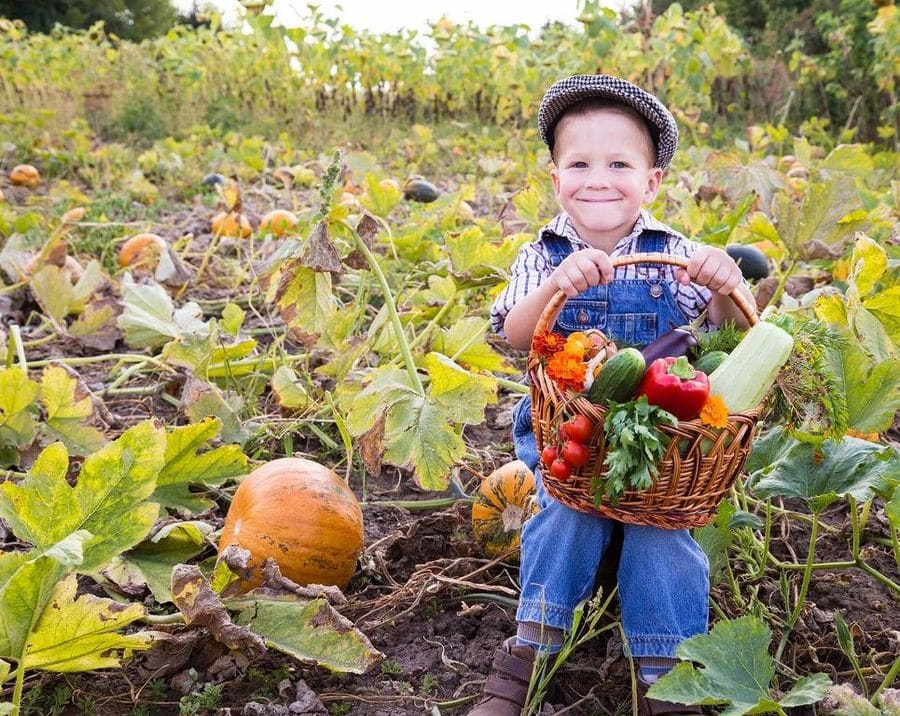
The region also produces distinctive agricultural products such as Poliani apples, prized for their intense aroma and flavour, and wild artichokes found in nearby villages. Potatoes grown in villages of the Taygetus, especially around Alagonia, are known for their thick peels and long storage life, making them ideal for traditional recipes.
Pulses also play an important role in local cuisine. Psilofasoula, or small green mung beans, cook quickly and are used in nourishing dishes that reflect the simplicity of Mediterranean cooking traditions.
Cheese, Herbs, and Traditional Delicacies
Kalamata’s surrounding mountains are rich in aromatic plants and herbs, contributing to one of Europe’s most diverse ecosystems. These herbs flavour many regional dishes and are frequently introduced during food tours focused on local biodiversity and traditional cooking methods.
A standout local product is Sfela PDO cheese, a semi-hard cheese made from sheep or goat’s milk, known for its slightly spicy, salty character. It pairs perfectly with olives, tomatoes, and regional wines.
Among traditional delicacies, lalangia holds a special place. These fried dough strips, made with olive oil, are often served for breakfast or during celebrations. Visitors also discover pasteli, a classic sweet made from sesame seeds and honey, especially the melato pasteli version, known for its soft texture and rich flavour.
Kalamata is also famous for its balsamic-style vinegar, produced from grape must aged in wooden barrels. Its dark amber colour, thick texture, and complex aroma make it a distinctive ingredient in local cuisine.
Wine Culture and the Messinian Table
Wine production thrives in Messenia thanks to favourable climate conditions and fertile soil. Local and international grape varieties such as Fileri, Fokiano, Assyrtiko, Moschofilero, Agiorgitiko, Mandilaria, Cabernet Sauvignon, Merlot, and Carignan produce wines with complex aromas and balanced flavours. Wine tastings are often included in food tours, offering visitors a complete picture of the region’s gastronomic identity.
A typical Messinian salad, combining fresh vegetables, olives, olive oil, and local cheese, perfectly captures the essence of Kalamata’s cuisine — simple ingredients elevated by exceptional quality.
From its historic past to its vibrant culinary present, Kalamata stands as a destination where culture, agriculture, and gastronomy meet. Exploring the city through food tours allows visitors to experience not only celebrated products but also the traditions, landscapes, and people that make Messenia one of Greece’s richest culinary regions.