A Unique Cycladic Destination
Set in the heart of the Cyclades, Tinos is a destination where spirituality, artistry, and gastronomy come together in a uniquely authentic way. Known for its deep religious significance and unspoiled villages, the island offers a culinary experience shaped by devotion, rural life, and centuries-old traditions.
A Landscape of Wild Beauty & Harmony
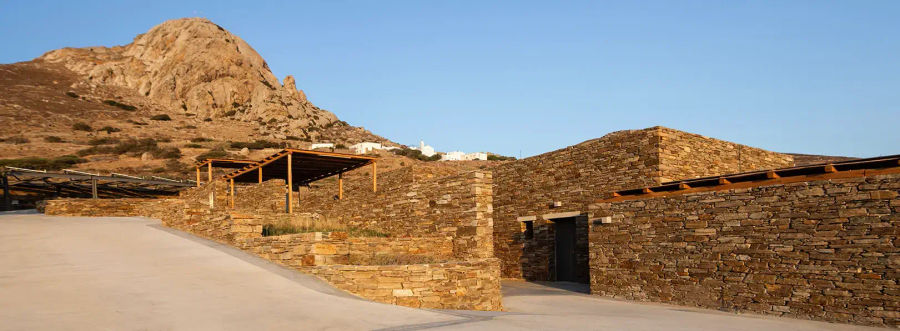
Mystic, humble, and charming, Tinos is defined by its striking natural contrasts. Rocky crags—home to eagles—rise above green meadows and surf-lapped shores. The island’s scenery is marked by a harmonious blend of wild terrain and cultivated land, with alternating shades of brown and green, stone-built terraces, and scattered country chapels.
Art, Architecture & Cultural Heritage
Tinos has a long-standing tradition in painting and sculpture, evident in the intricate marble carvings that adorn homes, churches, and public buildings. The island is particularly famous for its craftsmanship, with detailed pediments and decorative elements reflecting generations of artistic skill.
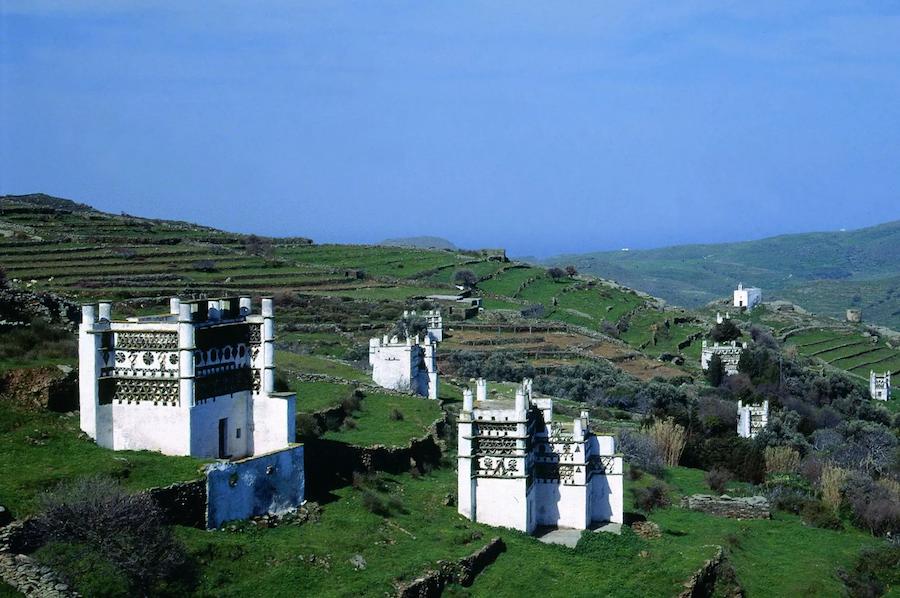
Another defining feature is its remarkable collection of dovecotes—around 600 in total—built in elegant geometric designs. These structures typically face west, protecting the birds from strong northern winter winds, and stand as iconic symbols of Tinos’ architectural heritage.
Discover Tinos Through Gastronomy Tours
Tinos gastronomy tours offer a unique way to experience the island through its landscapes, traditions, and authentic flavours. Visitors explore terraced hills, traditional dovecotes, and fertile valleys, discovering a cuisine rooted in simplicity, craftsmanship, and local pride. From handmade cheeses and traditional pies to refined dishes inspired by both land and sea, Tinos reveals a quieter, more genuine side of Cycladic gastronomy.
Local Markets & Fresh Island Produce
In Tinos town, fresh fruit and vegetables are sold daily at the street market in Pallada, located between the old and new harbours. This vibrant market reflects the island’s deep connection to seasonal, locally grown produce.
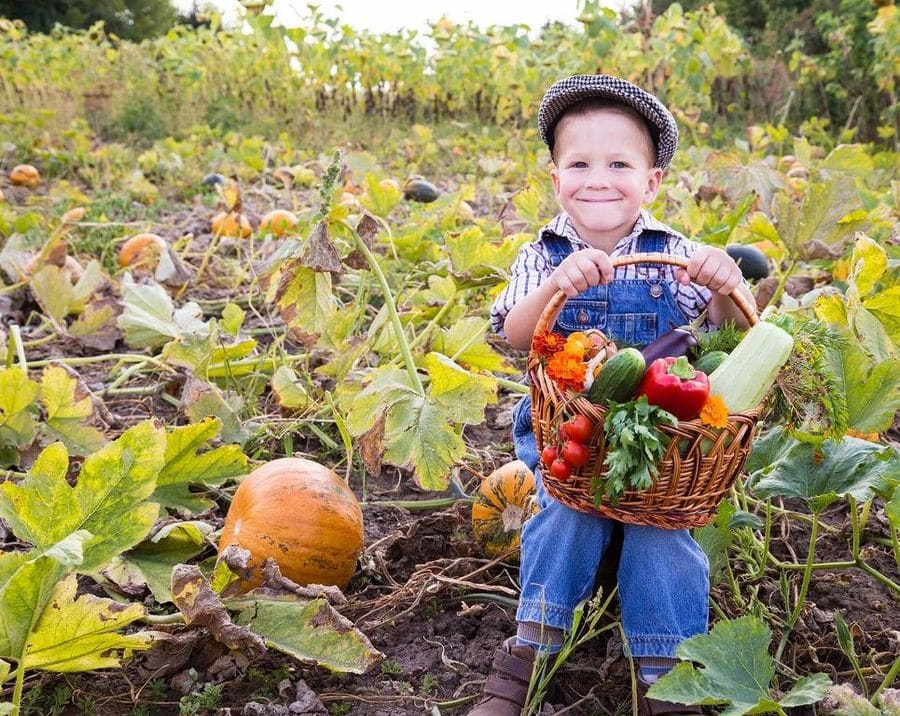
Tinos is home to many gastronomic treasures, including its distinctive local artichoke—smaller in size with a tender heart—used in traditional pies and a variety of dishes. Other local specialities include sun-dried tomatoes fried in batter, froutalia, vinegar-based savoury sauces enriched with grape must, and stuffed calamari.
A Land Rich in Natural Ingredients
The island’s fertile land is rich in endemic flora, including capers, mushrooms, spiny chicory, dittany, thyme, wild artichokes, oregano, prickly pears, sage, chamomile, and aromatic herbs used in traditional infusions.
Livestock farming remains an important part of daily life, with locals raising cows, sheep, goats, poultry, and rabbits. The island’s iconic dovecotes also reflect a long tradition of pigeon breeding.
Local Meats, Cheeses & Traditional Products
Tinos is known for its wide variety of cured meats and dairy products. Local delicacies include louza (cured pork), sausages, skordato (a garlicky cold cut), and ham.
Cheese production is particularly important, with varieties such as graviera, spicy kopanisti, strongylo, petroma (unsalted cheese), fresh anthotiro, malathouni (formed in reed moulds), and kariki, a rare and distinctive blue cheese.
Other local products include sun-dried tomatoes, raki, almond sweets (amygdalota), honey-drizzled fried pastries (kserotigana), delicate meringues (psarakia), and sweet cheese pies made with local mizithra.
The island also has a strong beekeeping tradition, using traditional hives (melissothyrides and miselia) to produce high-quality thyme and honey.
What Makes Tinos a Unique Culinary Destination
Sacred Traditions & Cultural Depth
Tinos is one of Greece’s most important pilgrimage destinations, home to the iconic Church of Panagia Evangelistria. This spiritual heritage influences local customs, including festive foods and recipes tied to religious celebrations.
Artisan Heritage & Local Craft
The island is renowned for its marble craftsmanship and artistic villages such as Pyrgos. This same attention to detail is reflected in its cuisine—carefully prepared, authentic, and deeply rooted in tradition.
Fertile Land in a Cycladic Setting
Unlike many Cycladic islands, Tinos has productive farmland. Its terraced hills support vineyards, vegetables, herbs, and livestock, forming the foundation of its rich gastronomy.
Local Highlights & Gastronomic Treasures
Tinian Cheeses
Local cheeses such as kopanisti, xinotyro, and fresh mizithra are central to Tinian cuisine, often served as meze or used in traditional recipes.
Louza & Cured Meats
Louza, a Cycladic cured pork delicacy, is seasoned and air-dried, offering a rich flavour that pairs beautifully with local wine.
Handmade Pies (Pites)
Traditional pies filled with greens, cheese, and seasonal ingredients reflect the island’s agricultural rhythms and home-style cooking.
Artichokes of Tinos
A signature local product, artichokes are prepared in many ways—stewed, baked, or preserved—and celebrated in seasonal festivals.
Seafood & Coastal Flavours
Fresh fish, octopus, and shellfish are staples of coastal cuisine, typically grilled or lightly cooked to preserve their natural taste.
Honey & Traditional Sweets
Thyme honey is widely used in desserts such as pasteli and spoon sweets, while almond-based treats remain a local favourite.
Local Wines & Tsipouro
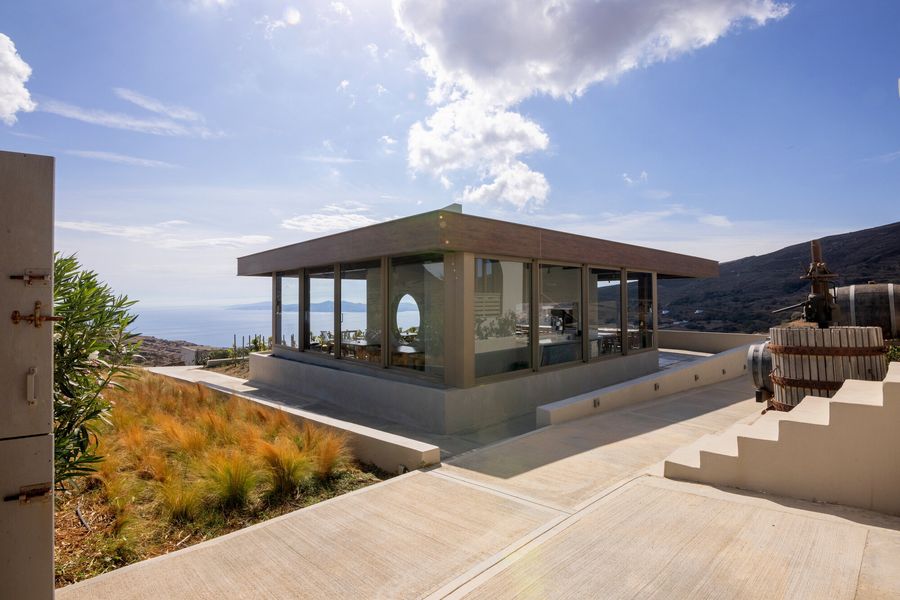
Small-scale vineyards produce distinctive wines shaped by the island’s terroir, while tsipouro is traditionally enjoyed alongside meze.
A Destination Beyond the Plate
Tinos offers far more than gastronomy—it is a destination rich in culture, spirituality, and natural beauty. Visitors can explore traditional villages such as Volax, known for its unique landscape, and follow walking paths connecting chapels, dovecotes, and scenic viewpoints.
From sheltered coves to windswept beaches, the island’s diversity enhances every visit. Hospitality is genuine, traditions remain alive, and every meal becomes a personal and memorable experience.
Explore Our Tinos Gastronomy Tours
Tinos gastronomy tours invite you to experience the island through its flavours, landscapes, and people. Meet local producers, taste artisan cheeses, learn traditional recipes, and enjoy authentic meals in village settings.
From vineyard visits and cooking experiences to seaside dining and festival tastings, each tour reveals the depth and richness of Tinos’ cuisine.
Here, gastronomy becomes a journey into the true soul of the Cyclades..