Epidaurus, also known as Epidavros, is a historic site located in the northeastern Peloponnese, celebrated for its outstanding archaeological significance and enduring cultural heritage. In antiquity, it was one of the most important centres of healing and religious worship in Greece, primarily dedicated to Asclepius, the god of medicine. The Sanctuary of Asclepius, known as the Asclepieion, attracted pilgrims from across the ancient world who sought cures, balance, and well-being. Today, Epidavros continues to inspire visitors with its rich history and cultural offerings.
Today, Epidaurus remains a major destination for travellers interested in ancient Greek history, architecture, and culture, while also increasingly appealing to visitors who enjoy combining cultural exploration with food tours showcasing the region’s rich agricultural traditions. Its ancient theatre is a UNESCO World Heritage Site, and its continued use for performances beautifully links the ancient world with modern cultural expression.
Many travellers seek out the rich experiences Epidavros offers, especially those interested in food tours highlighting local culinary traditions.
Key Features of Epidaurus
1. The Ancient Theatre of Epidavros
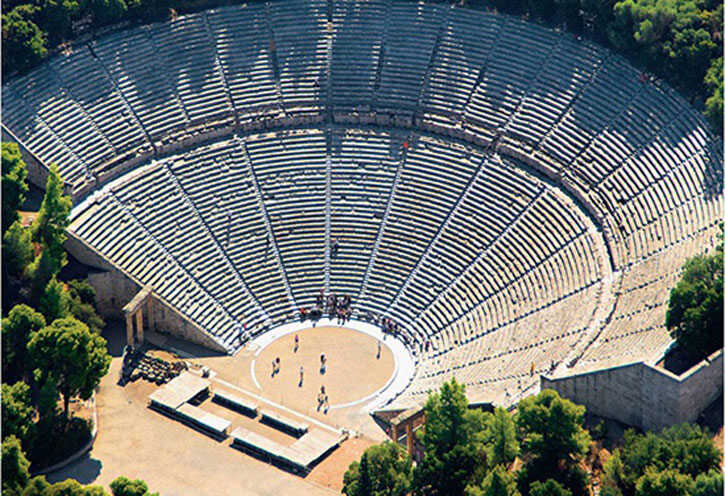
One of the best-preserved ancient theatres in the world, the Theatre of Epidaurus is renowned for its perfect acoustics and harmonious proportions. Designed by the architect Polykleitos the Younger in the 4th century BCE, it could accommodate approximately 14,000 spectators.
Theatre performances in Epidavros are a unique way to connect ancient and modern cultures, making it a must-visit for anyone interested in history and the arts.
Even today, the theatre hosts performances during the Epidaurus Festival, allowing visitors to experience ancient drama in its original setting—often paired with cultural itineraries and food tours in the surrounding villages.
2. The Sanctuary of Asclepius
In Epidavros, wellness travel is enhanced by culinary experiences that celebrate the region’s agricultural bounty, making it a perfect destination for food lovers.
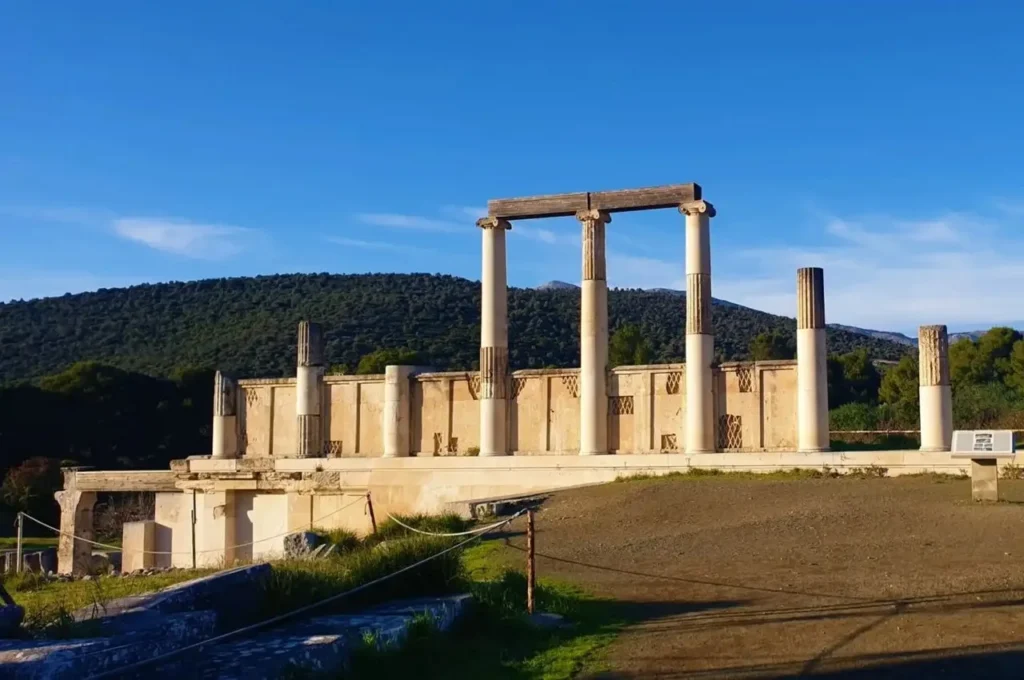
At the heart of ancient Epidaurus stood the sanctuary dedicated to Asclepius. Pilgrims followed purification rituals and participated in dream therapy (incubation) within the Abaton, where divine healing guidance was believed to occur.
The sanctuary complex also included temples, baths, and athletic facilities, reflecting a holistic approach to health that integrated physical, mental, and spiritual well-being—an ethos that resonates today through wellness travel and culinary food tours focused on local, nourishing ingredients.
3. Tholos
The Tholos was a circular building of intricate design and symbolic importance. Although its precise function remains debated, it is widely believed to have played a role in healing rituals and sacred ceremonies.
4. Other Facilities
Visiting Epidavros lets you explore not only its ancient ruins but also the vibrant local gastronomy that defines the region.
Food tours in Epidavros are a delightful way to discover local flavours while appreciating the rich history surrounding you.
Additional structures, such as the stadium and gymnasium, further highlight the ancient belief in balance and harmony, combining physical activity, spiritual practice, and community life.
Local Products and Food Tours in Epidavros
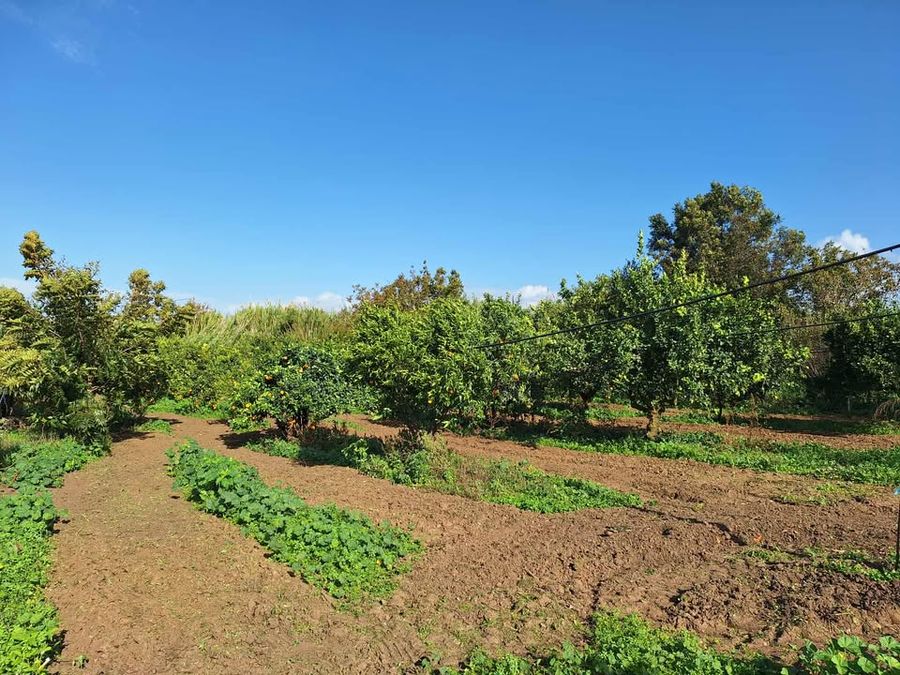
Epidaurus is not only renowned for its archaeological treasures but also for its vibrant gastronomy and agricultural heritage. Nestled between fertile plains, forested hills, and the Argolic Gulf, the region produces an abundance of high-quality ingredients that are increasingly explored through guided food tours.
Key Local Products of Epidavros
- Oranges and Citrus Fruits
Epidaurus is famous for its sweet, juicy oranges, cultivated in extensive orchards. These fruits feature prominently in fresh juices, marmalades, and traditional desserts showcased during food tours. - Olive Oil
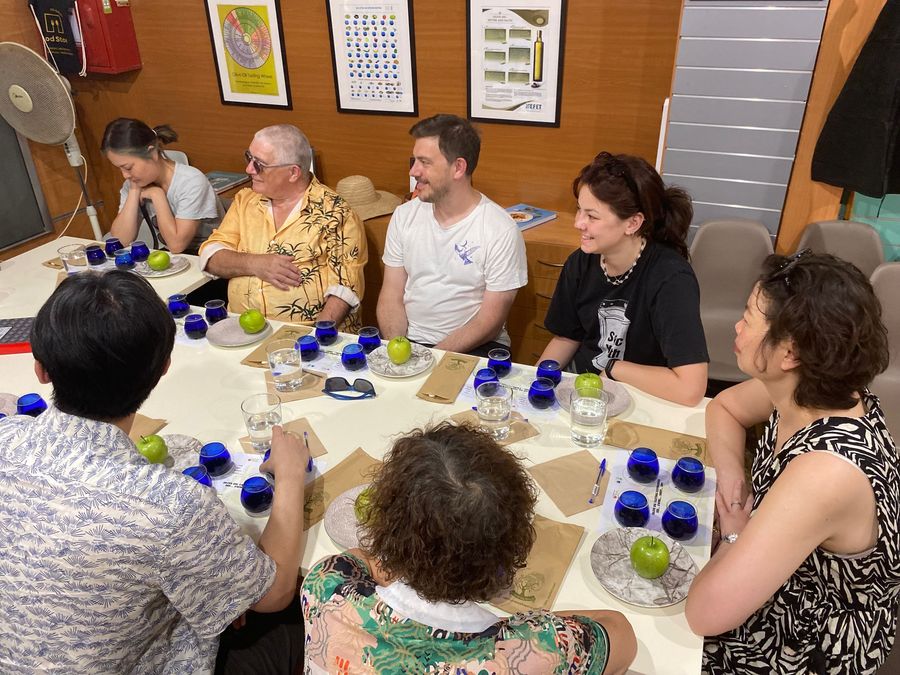
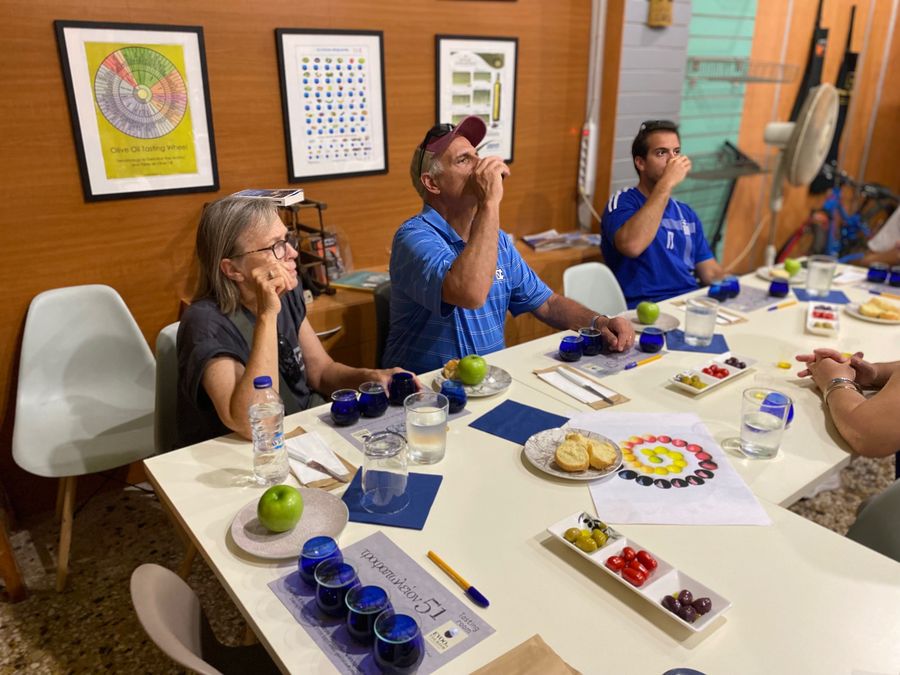
Extra virgin olive oil from Epidaurus is prized for its rich flavour and nutritional value. Deeply rooted in local tradition, it is central to both everyday cooking and culinary tastings on food tours. - Honey
Thyme and wildflower honey from the surrounding hills are key ingredients in desserts such as melopita (honey pie) and loukoumades, often sampled during local gastronomic experiences. - Pomegranates
Known for their vibrant colour and sweet-tart flavour, Epidaurus pomegranates are used in salads, juices, and meat dishes. - Seafood
Thanks to its proximity to the Argolic Gulf, the region enjoys fresh fish and seafood, including sardines, squid, and shrimp, typically prepared simply with olive oil and lemon. - Herbs and Aromatics
Wild oregano, thyme, and sage grow abundantly and are essential to local cuisine, adding depth and aroma to traditional dishes featured on food tours.
Explore Our Epidavros Food Tours
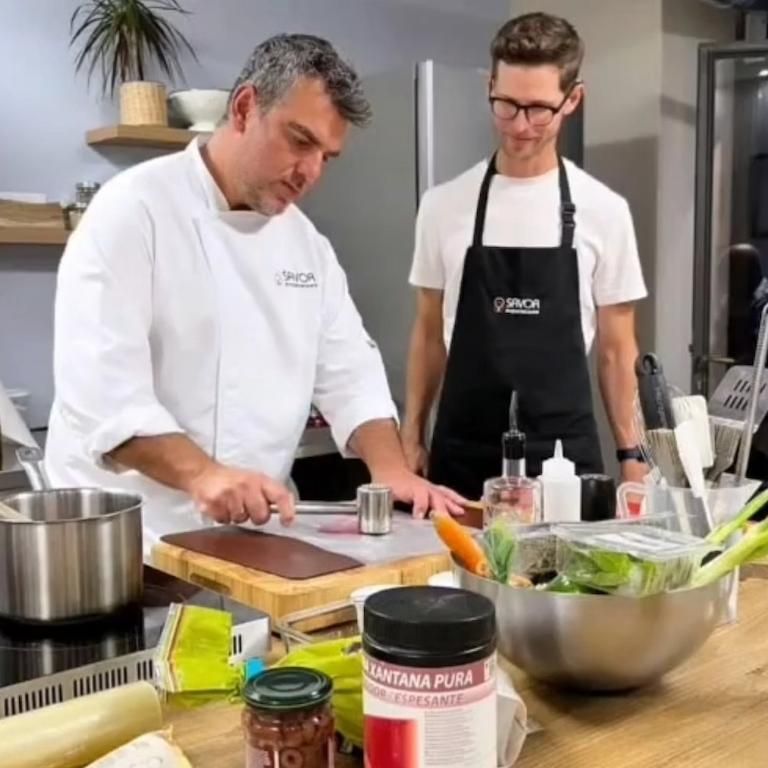
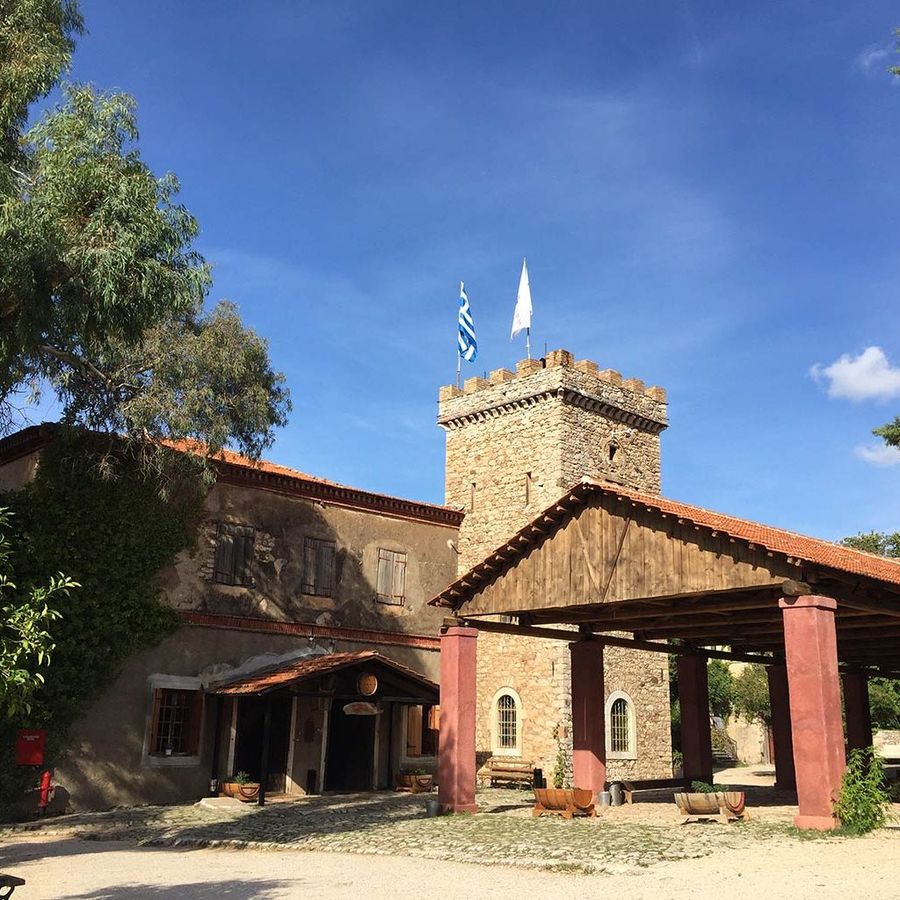
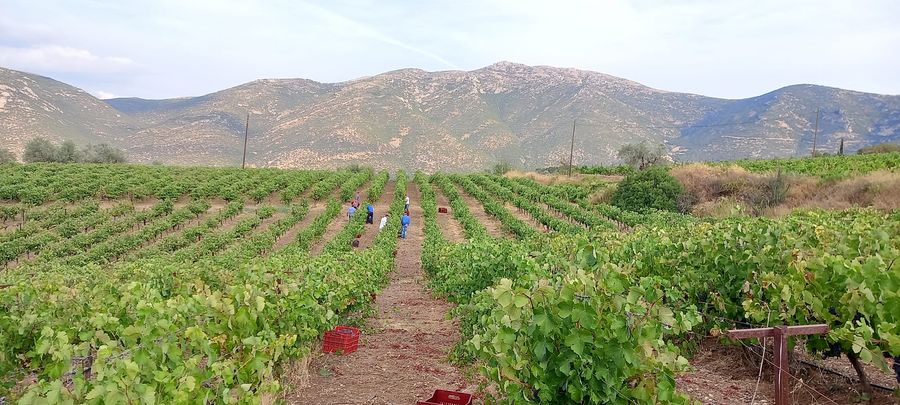
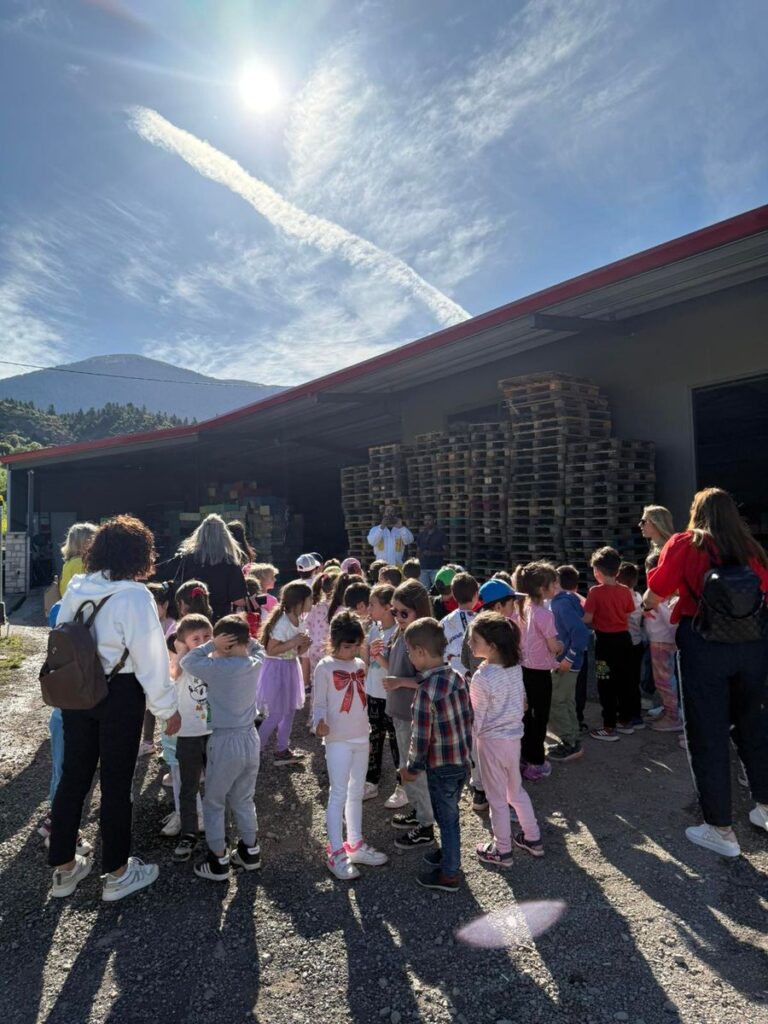
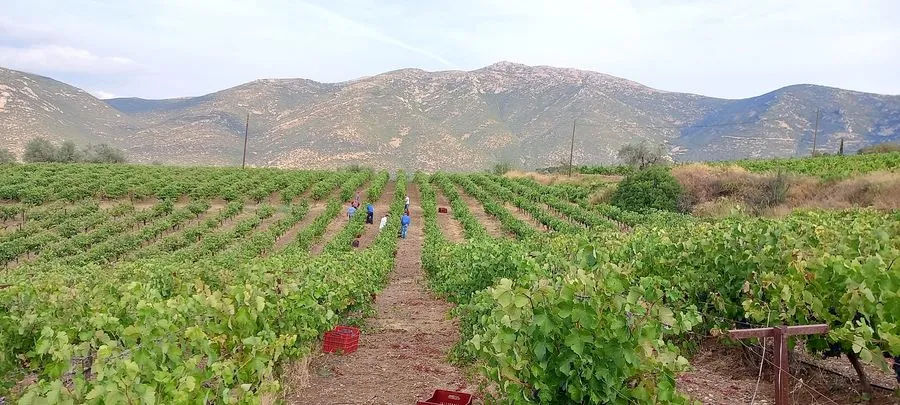
Discover Epidavros through its food with tours designed for travellers who want to meet local producers and learn about the region’s products and cuisine. Visit farms and small workshops, see how food is made, and gain a genuine insight into the region’s everyday food culture.
Local Dining, Wine, and Spirits
Visitors can savour these flavours in the many tavernas and restaurants of Epidaurus, many of which embrace farm-to-table dining. Food tours often include visits to family-run eateries where recipes are passed down through generations.
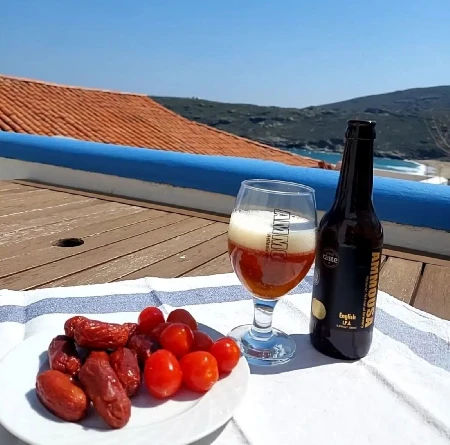
The nearby Nemea wine region strongly influences local wine offerings, with Agiorgitiko wines frequently served alongside meals. Locally distilled tsipouro, enjoyed with meze, completes the gastronomic experience.
The dining experience in Epidavros is unlike any other, offering a taste of tradition that guests cherish.
Why Visit Epidavros?
Ultimately, a visit to Epidavros is about discovering the interplay between its ancient history and contemporary culinary delights.
As you explore Epidavros, take time to savour the local dishes that make this region truly special.
Epidaurus is more than an archaeological site—it is a destination where ancient healing traditions, living culture, and immersive food tours come together. Whether attending a performance at the ancient theatre, exploring sacred ruins, or tasting the flavours of land and sea, visitors embark on a journey that nourishes both body and spirit.