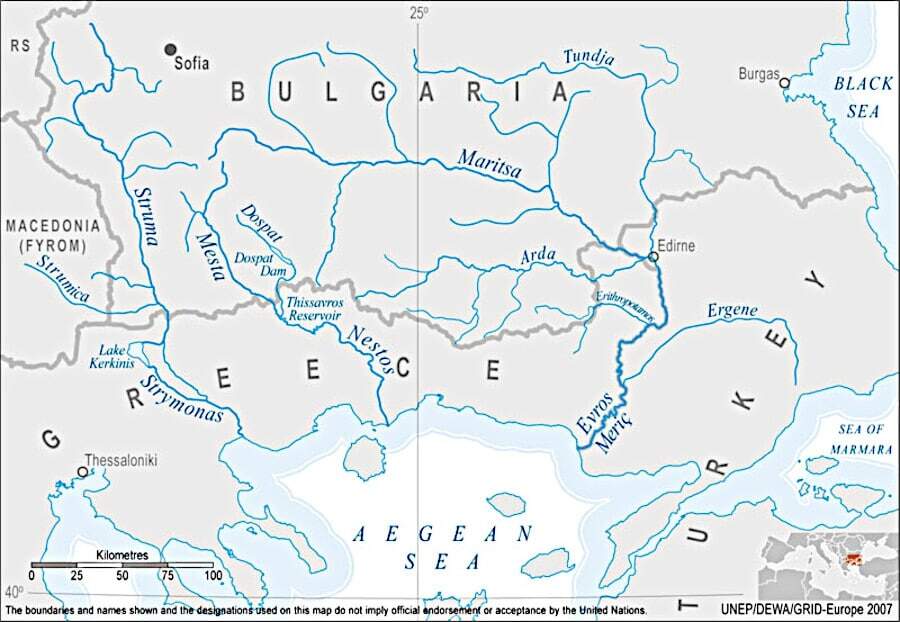
The Evros River (known as Maritsa in Bulgaria and Meriç in Turkey) is one of the most important rivers in southeastern Europe. It flows through Bulgaria, Greece, and Turkey, shaping landscapes, economies, ecosystems, and geopolitics across the region.
A defining feature of the river is that it forms a natural border between Greece and Turkey along much of its lower course. Its estuary, where it meets the Thracian Gulf, creates the Evros Delta, one of Europe’s most important natural habitats.


Geography and Course
The river originates in the Rila Mountains of Bulgaria and flows roughly 500 kilometres southeast. Along its path, it:
- crosses fertile valleys,
- defines international borders,
- and eventually empties into the Aegean Sea near Alexandroupoli.
The Evros is the only major European river that serves as a long-standing natural boundary between two NATO and EU-adjacent states, giving it strong strategic importance.
The Evros Delta: A European Ecological Landmark


The Evros Delta covers approximately 20,000 hectares and is internationally recognised as a protected wetland under the 1971 Ramsar Convention due to its exceptional ecological value.
It is one of the richest biodiversity zones in Europe, hosting:
- more than 300 plant species, including rare and endemic flora,
- around 40 mammal species,
- approximately 28 reptile species,
- about 46 fish species,
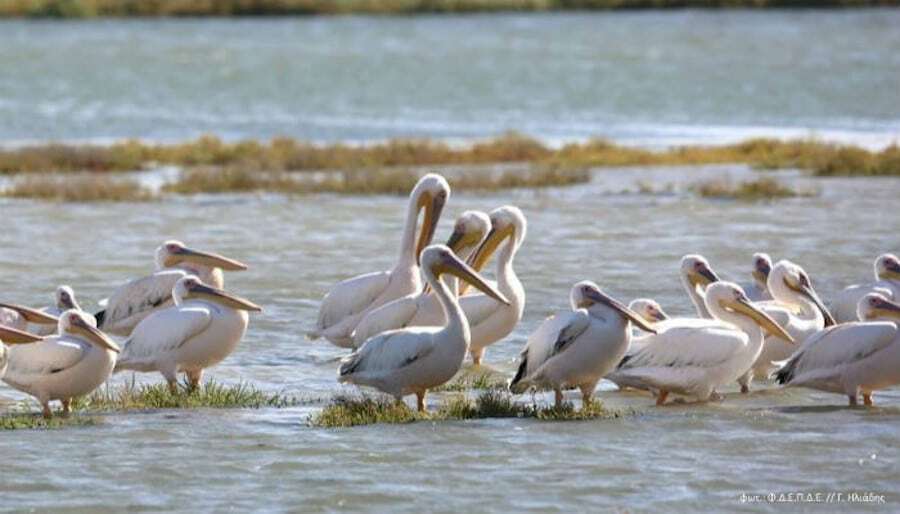
- and an extraordinary 320 bird species recorded in the area.
The delta is especially important for migratory birds travelling between Europe, Asia, and Africa.
Because of its ecological value:
- One section has been designated a Special Protection Area (SPA),
- and parts are under consideration as a Site of Community Importance (SCI) within the Natura 2000 network.
History and Strategic Importance
Historically known as the Hebrus River, the Evros has been central to Thracian, Greek, Roman, Byzantine, and Ottoman history. It has served both as a trade corridor and a military frontier.
In the modern era, following 20th-century border treaties, it became a fixed international boundary. Today, it remains one of Europe’s most sensitive geopolitical zones due to:
- border security concerns,
- migration flows,
- and Greek–Turkish relations.
Economy and Human Use
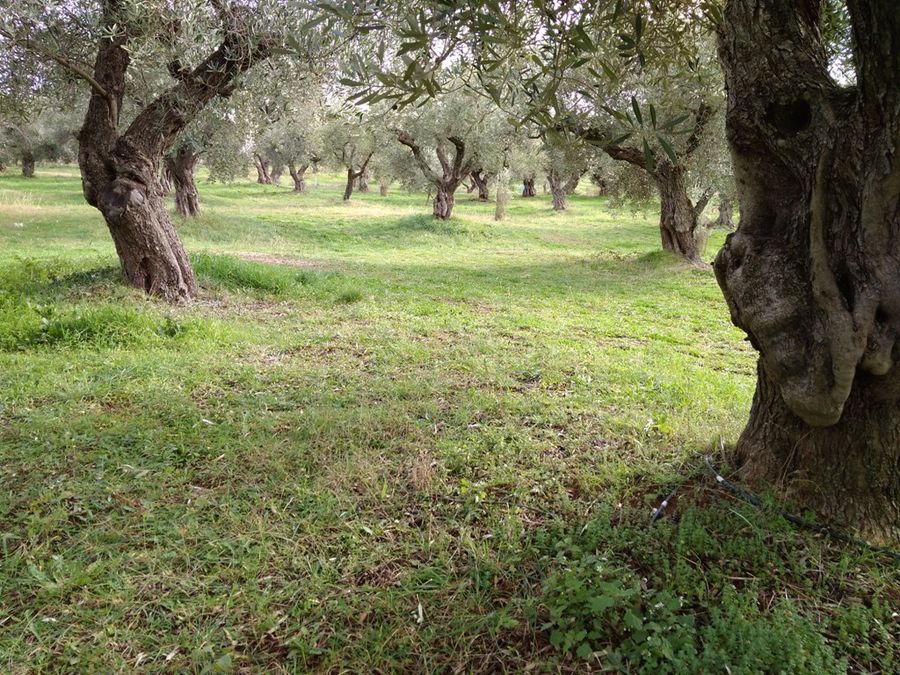
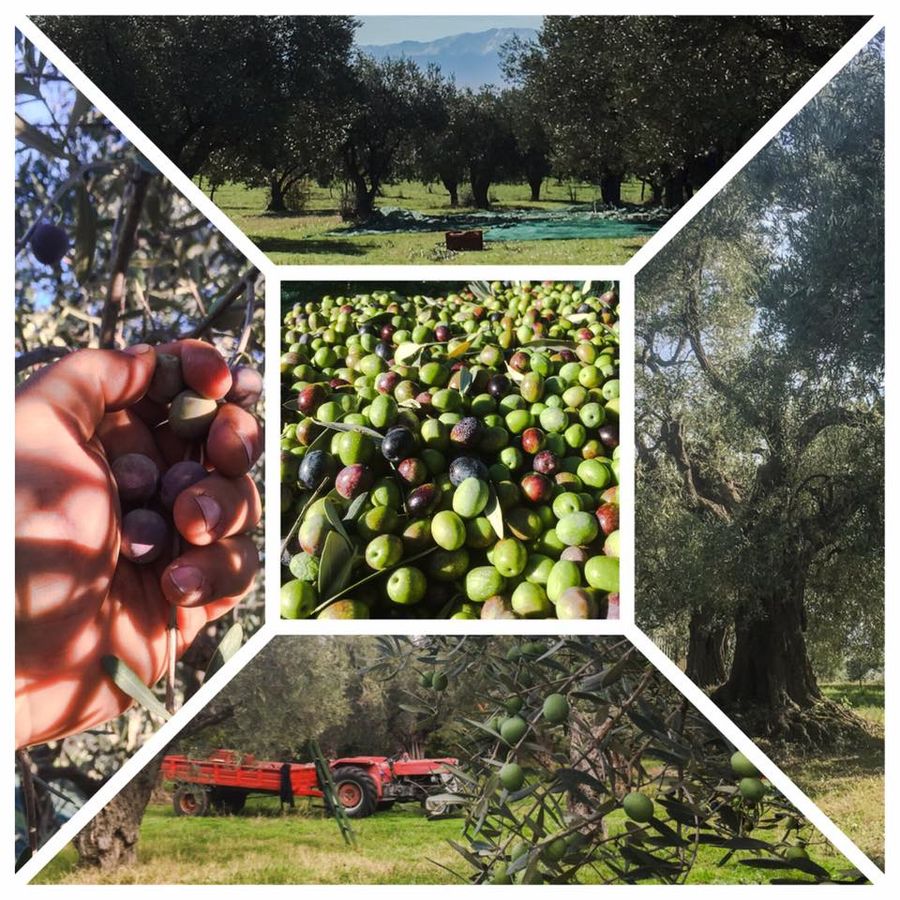
The river basin supports agriculture and rural livelihoods on both sides of the border. Key activities include:
- rice and cotton farming,
- vegetable production,
- irrigation systems,
- and localised fishing.
Seasonal flooding continues to shape settlement patterns and land use across the plains.
The River Today: Nature and Politics Intertwined
The Evros River is unique in that it simultaneously represents:
- a natural ecosystem of global importance,
- a strategic international border, and
- a humanitarian and political focal point in contemporary Europe.
It is both a lifeline for biodiversity and agriculture and a frontier where environmental protection, migration policy, and diplomacy intersect.