Volcanic Landscapes and Flavours Shaped by the Sea
Rising mysteriously from the depths once ruled by the sea goddess Tethys, Milos is one of the most captivating islands of the Cyclades. Known for its surreal geological formations, hidden coves, and mineral-rich terrain, the island offers far more than dramatic scenery. Milos is a place where nature, mythology, and gastronomy intertwine, creating a culinary identity shaped by volcanic soil, sea traditions, and island ingenuity.
On a Milos Food Tour, travellers experience an authentic Cycladic destination where flavours emerge directly from the land and sea, revealing recipes refined over centuries of adaptation to a unique environment.
A Volcanic Island with a Living Myth
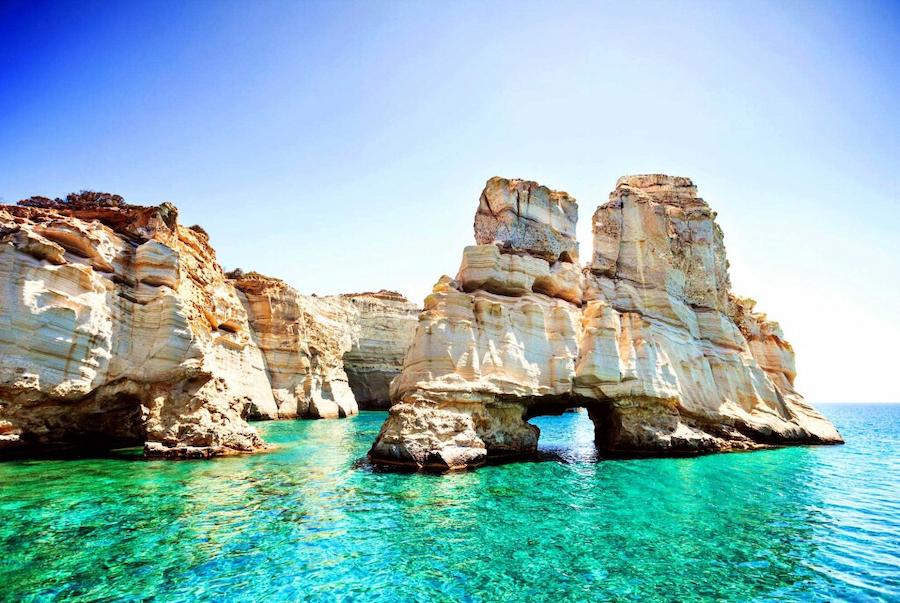
According to myth, Milos emerged from the realm of Tethys, the Titan goddess of the sea. Today, the island still feels elemental—its coastline carved into small coves and natural harbours, its rocks layered with rare minerals and metals formed deep within the earth.
Often described as a natural geological laboratory, Milos combines rugged shores with a surprisingly fertile interior. The island’s porous, sponge-like rocks retain warmth and moisture, creating ideal microclimates for cultivation despite the Cycladic dryness.
Across the countryside, thorny burnett (Sacropoterium spinosa), a plant known since antiquity, grows widely and enriches the soil. These natural conditions allow farmers to produce a small but remarkable range of agricultural products, each intensely flavoured by the island’s volcanic character.
The Taste of a Mineral-Rich Landscape
Milos does not produce in abundance—it produces in distinction. Its cuisine reflects scarcity transformed into creativity, where every ingredient is valued, and every recipe tells a story of adaptation.
Local fields yield:
- Sweet figs and fragrant melons
- Squash and watermelons nurtured by sun-warmed earth
- Aromatic herbs shaped by sea breezes
- Wines influenced by mineral-rich soils
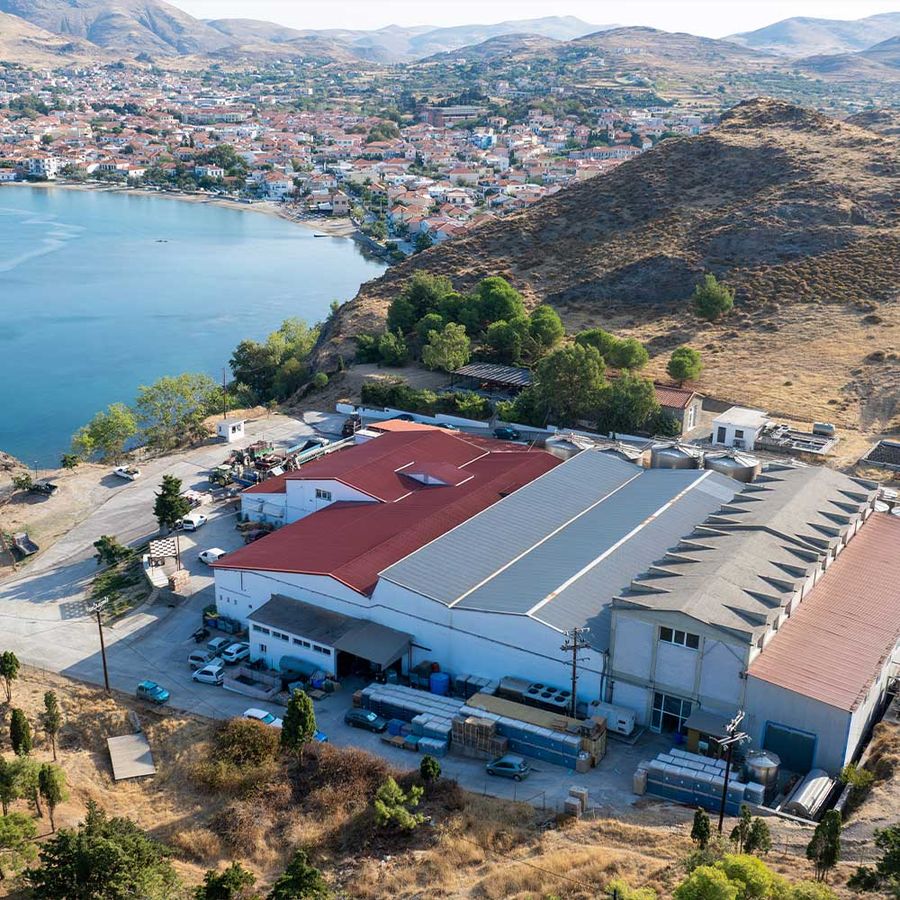
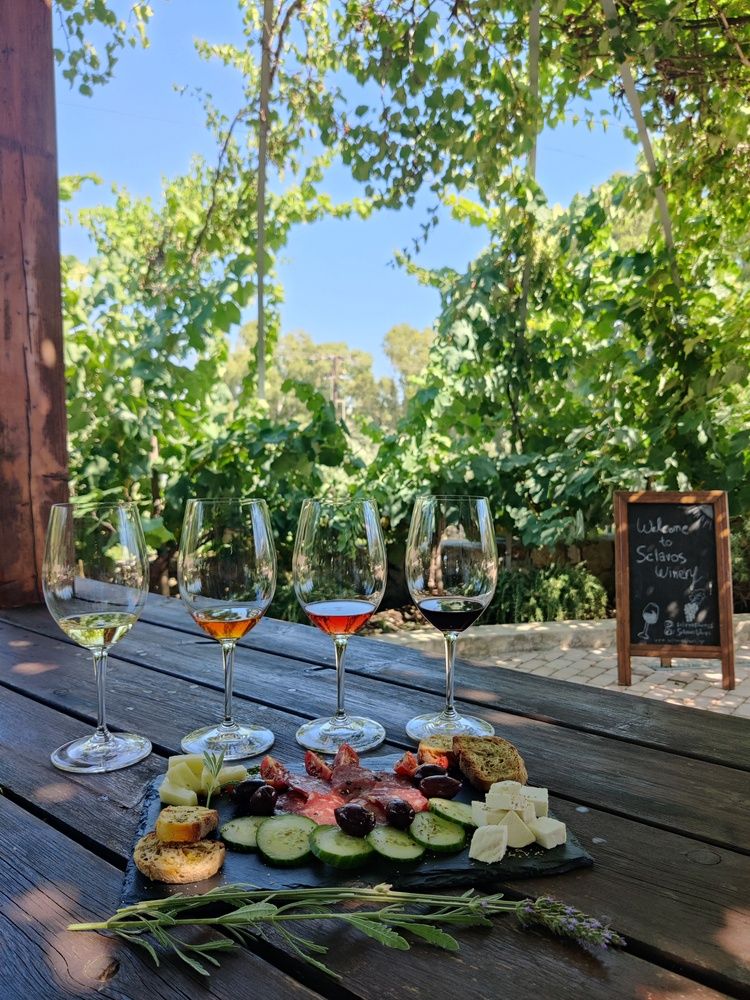
Historically, wine was fermented in wooden casks, and viticulture remains closely tied to tradition. Today, local wines continue to express the island’s volcanic terroir, pairing beautifully with seafood and rustic dishes.
Gastronomy Rooted in Sea and Soil
For centuries, Milos’s diet depended equally on land and sea. Fishermen harvested fresh fish, limpets, and hardy saltwater mussels, while hunters and farmers contributed seasonal ingredients to the local table.
Modern visitors can still taste these traditions through distinctive local specialities.
Signature Dishes of Milos
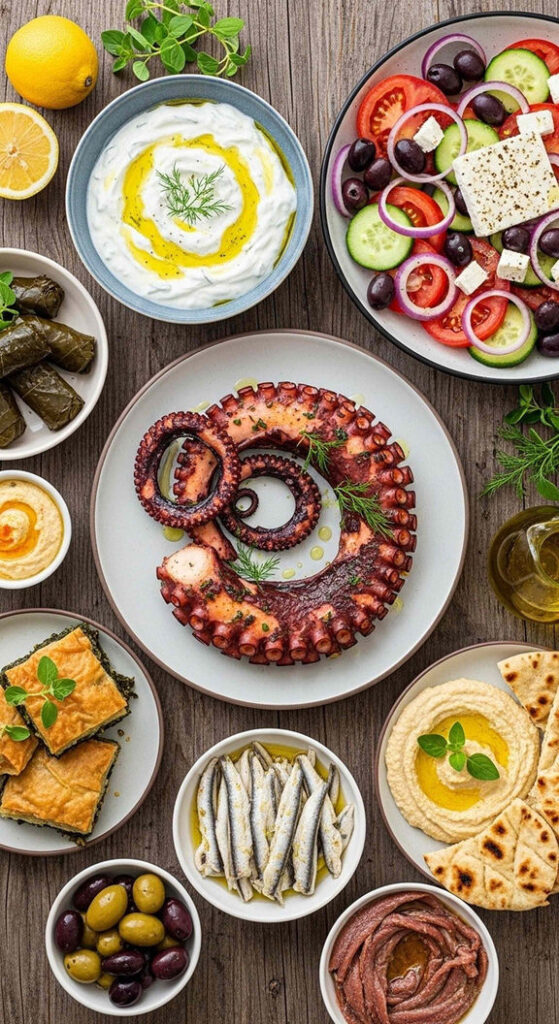
A Milos food journey introduces flavours rarely encountered elsewhere in Greece:
- Watermelon pie (Karpouzopita) is a refreshing sweet-savoury dessert unique to the island
- Skordolazana, handmade pasta with garlic and tomato sauce
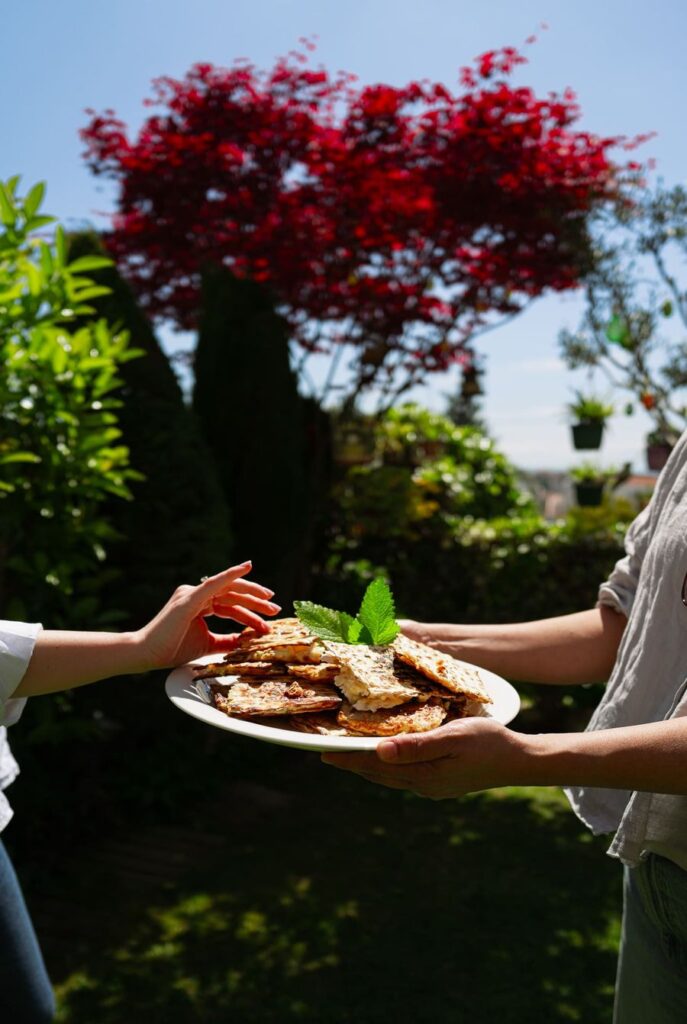
- Pitarakia, small cheese pies filled with local soft cheese
- Ladotiri (“olive oil cheese”), preserved in oil for a rich flavour
- Pumpkin and cheese pies made with goat’s milk butter
- Pork roasted in red wine, tomato paste, and thyme
Seasonality remains central to local cooking, and recipes continue to follow rhythms established generations ago.
Preserving Tradition: Island Techniques
Preservation methods play a key role in Milos’ gastronomy. Pickled rock samphire, gathered along the coast, is commonly stored in jars placed on sunny windowsills. Later, it becomes a flavorful addition to savoury pies or is simply boiled and served with olive oil.
Homemade preserves also reflect the island’s resourcefulness. Squash and almond spoon sweets transform local produce into delicacies enjoyed year-round, preserving both flavour and memory.
These practices are not culinary trends—they are living traditions still maintained in family kitchens.
A Destination Beyond the Plate
Milos offers experiences that extend well beyond dining. Colourful fishing villages such as Klima, carved boat shelters etched directly into volcanic rock, reflect centuries of maritime life. Hidden beaches, accessible only by boat, reveal the island’s intimate connection with the sea.
Walking through villages and agricultural landscapes allows visitors to understand how geography shapes cuisine. Every vineyard, orchard, and coastal path contributes to the island’s gastronomic identity.
Here, food becomes a gateway to understanding Milos itself.
Explore Milos Food Tours
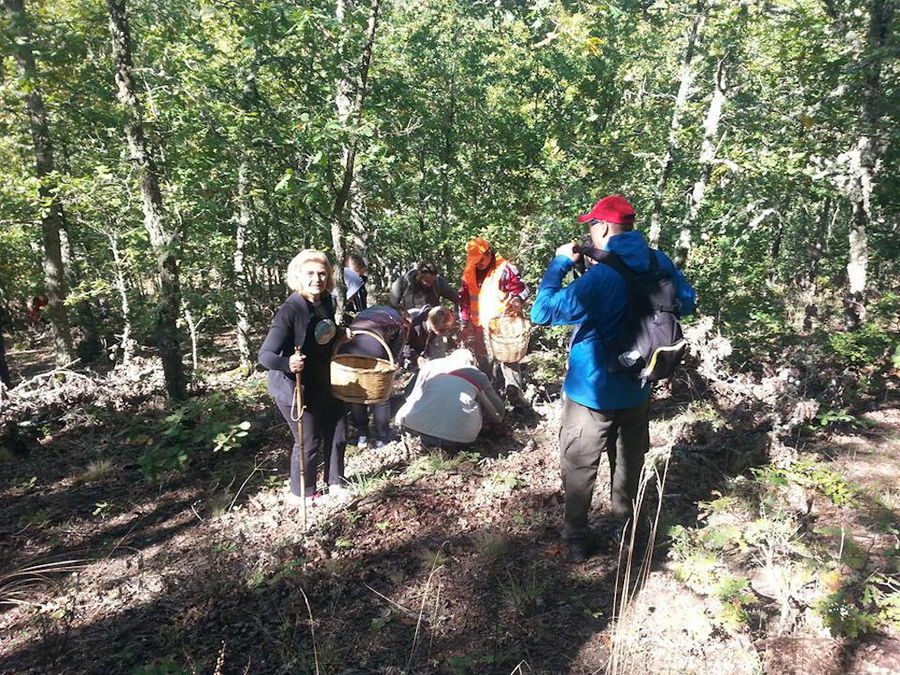
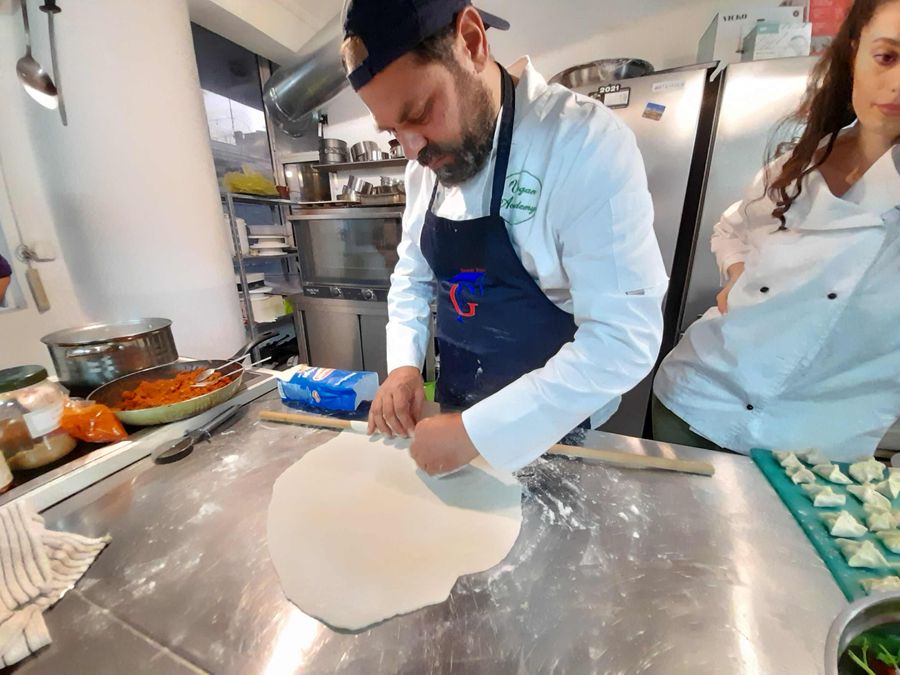
Milos Food Tours invite you to explore the island through its flavours and traditions. Meet local producers, taste wines born from volcanic soil, learn traditional recipes, and enjoy meals prepared with ingredients grown just steps away.
From seaside tastings to village kitchens and hidden culinary gems, Milos offers an immersive journey into Cycladic authenticity—where myth, nature, and gastronomy meet.
Discover an island where every bite tells the story of earth, sea, and time.