The Sacred City of the Lagoon and Greek Independence
Messolonghi, the Holy City as it has been called, is identified as the only Greek city associated with the liberation struggle of 1821. It became internationally famous during the Greek War of Independence.
Its residents resisted the Ottoman Empire’s attacks in 1822 and 1823 without surrendering. A third attack commenced in April 1825. After a prolonged state of siege, soldiers and unarmed citizens were unable, due to lack of food, to sustain their defence against Turkish and Egyptian troops and began the “exodus from Messolonghi” in 1826.
The event resulted in enormous civilian casualties and had a major impact by causing a powerful emotional reaction in Europe, which in turn benefited the Greek struggle.
International Impact
The struggle of Messolonghi attracted European attention. The famous poet Lord Byron died there in 1824 while supporting the Greek cause, making the city a powerful symbol of international solidarity with Greece.
Modern Significance
Today, the city is officially called the Sacred City of Messolonghi in honour of its sacrifice. Key landmarks include:
- The Garden of Heroes (memorial to the fallen fighters)
- Historical museums and monuments related to the Revolution
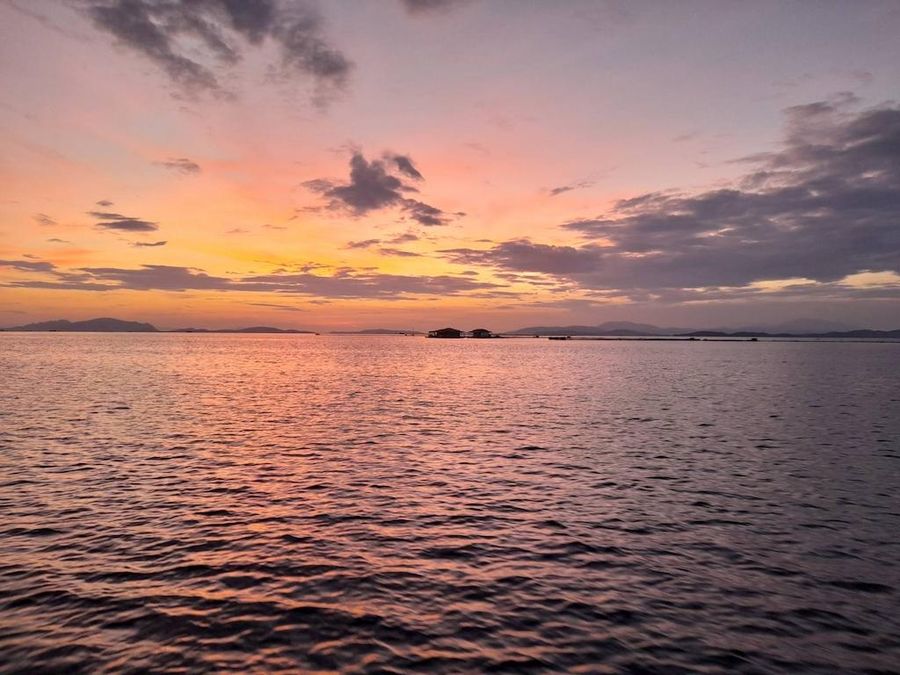
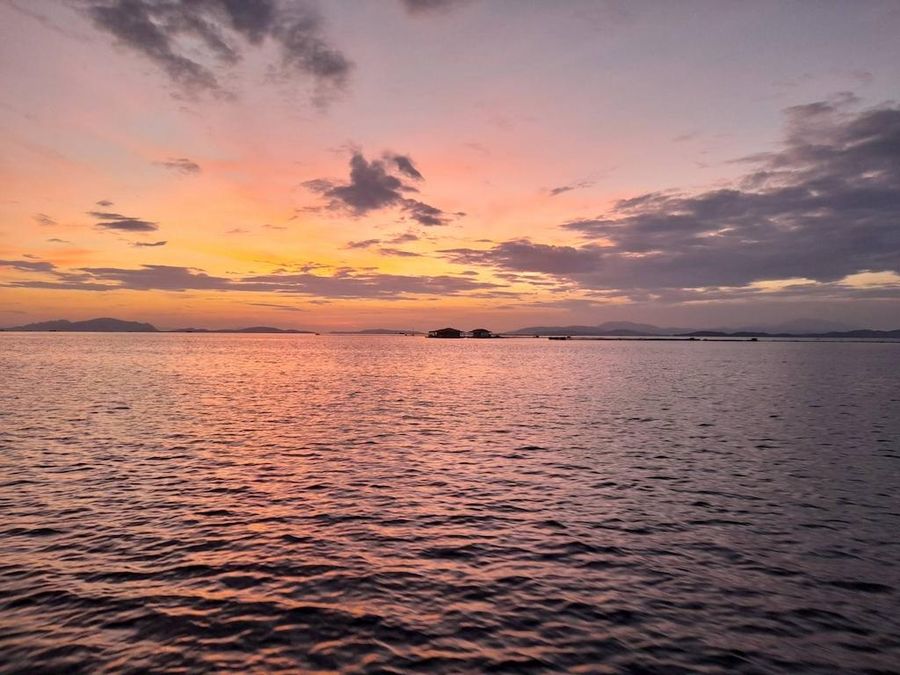
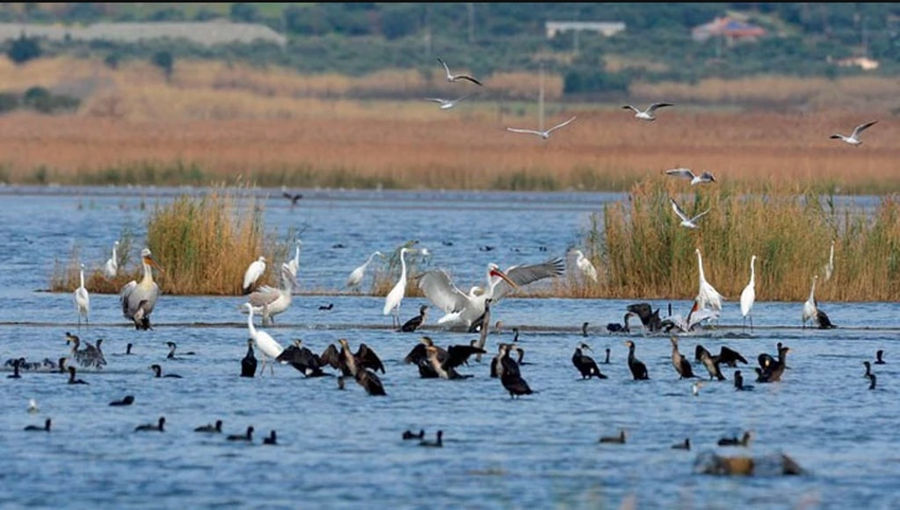
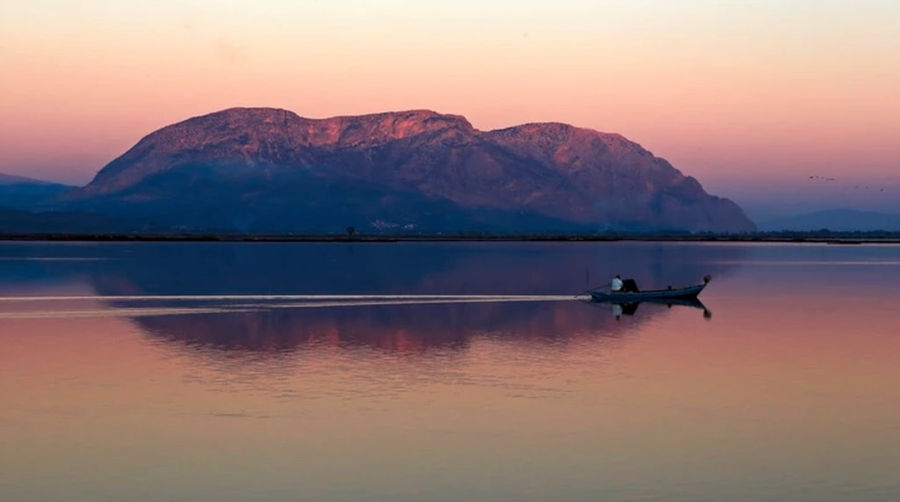
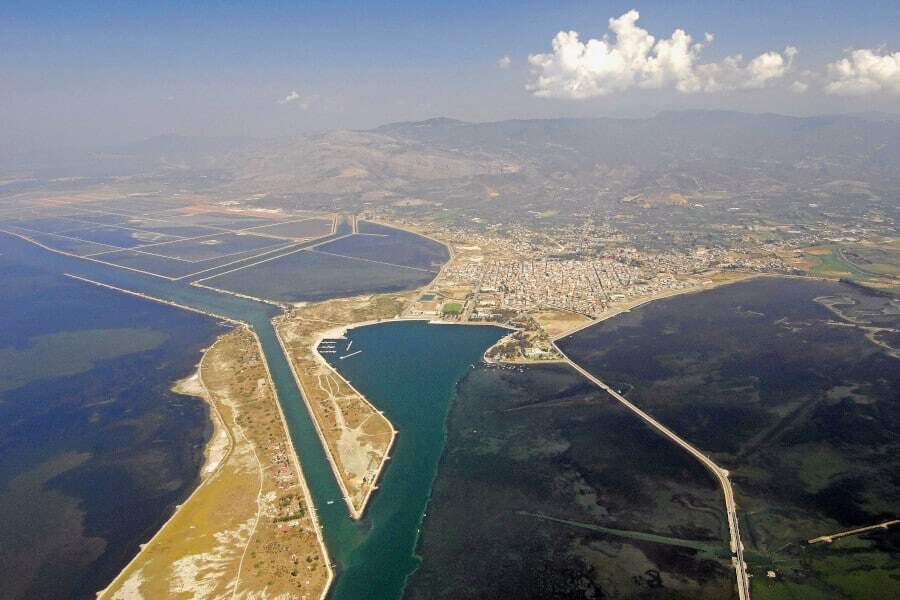
- The surrounding lagoons are important for ecology and the traditional fishing culture
In short, the city represents courage, resistance, and the struggle for national independence, holding a central place in modern Greek historical memory.
Gastronomy
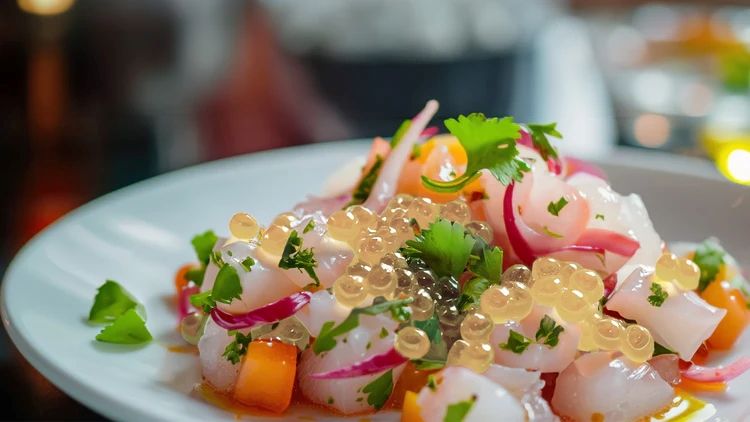
The gastronomy is based on the wide variety of fish so generously offered by the Amvrakikos gulf and the lagoon, a natural paradise and a source of wealth for the area’s inhabitants. It produces products with a unique identity and inspires imaginative dishes.
The gastronomy of the region is based on the rich variety of fish generously offered by the Amvrakikos Gulf and the Lagoon of Messolonghi. The lagoon is a true natural paradise and a vital source of wealth for the local community. It produces distinctive products and inspires imaginative, flavourful dishes rooted in tradition.
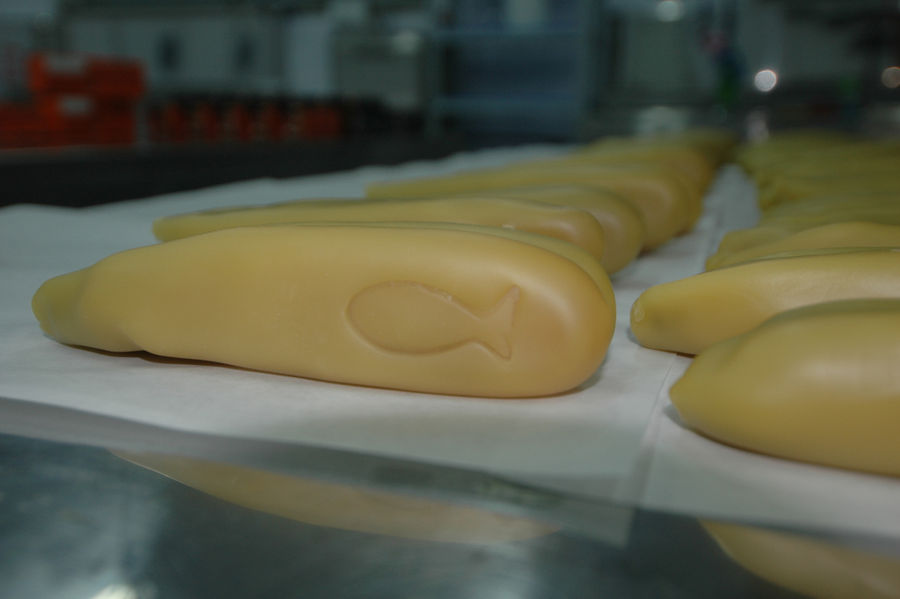
Messolonghi PDO roe (avgotaracho – bottarga) is an internationally recognised delicacy that inspires top chefs worldwide. Free of its protective wax coating, it is served in thin, delicate slices, drizzled with olive oil and lemon, on crisp toast. It pairs beautifully with a variety of dishes and drinks, especially white wine or tsipouro, enhancing their depth and flavour.
The lagoon also provides an ideal habitat for several eel species, considered among the finest in Europe for their exceptional taste. Varying in size and weight, they are also exported abroad. Eels are prepared in many ways: baked in the oven, slow-cooked in a pot, salted and grilled, fried, or roasted on a spit.
The area is equally rich in salted fish, including annular seabream, gilt-head bream, and eel. The salted annular seabream is a renowned delicacy of high gastronomic value, traditionally prepared in winter when the fish are at their fattest.
Crustaceans and shellfish further define the local cuisine, offering fresh, iodine-rich aromas of the sea. These include small clams (havara), gialemia, mussels, steamed prawns (gambari yachni), and kerathoura, a local red-brown shrimp. Crab dishes are especially popular, often cooked with rice, onion, and dill, while “king crabs” (vassilokavoures) are enjoyed roasted.
Local fish dishes are also highly celebrated, featuring bafa (flathead grey mullet), kapama-style preparations, sea bream, sea bass with garlic, potatoes and spicy sauces, fried cuttlefish, and “linda,” small sea bream fried and finished with vinegar and red sauce.
Another natural treasure of the lagoon is its sea salt. The region is home to two salt pans, Aspri and Tourlida, where salt is harvested either mechanically in Aspri or traditionally in Tourlida, preserving centuries-old methods.
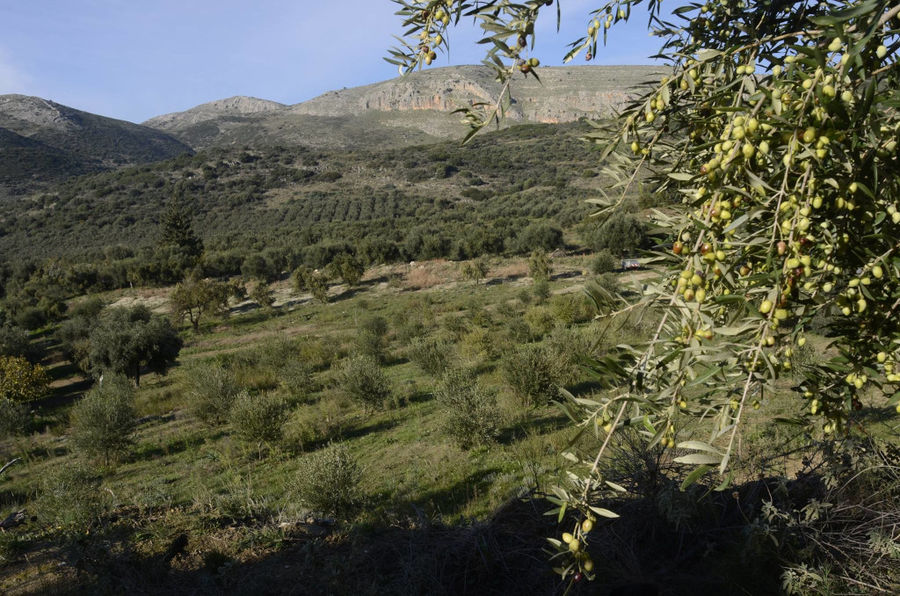
A unique product not to miss is the Agrinio Conservolia olive, a prized local variety known for its rich flavour and culinary versatility.