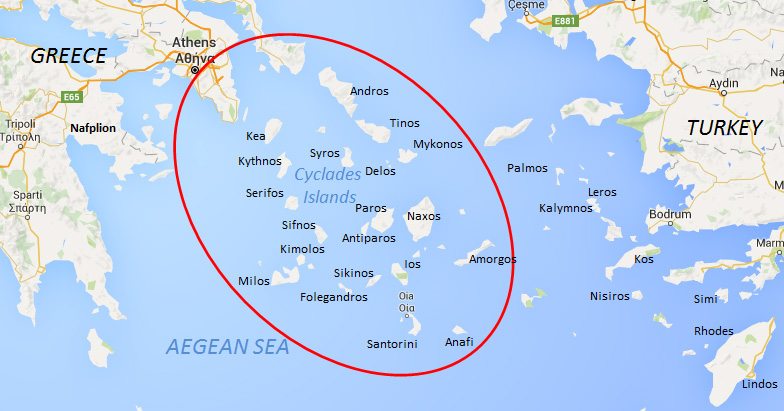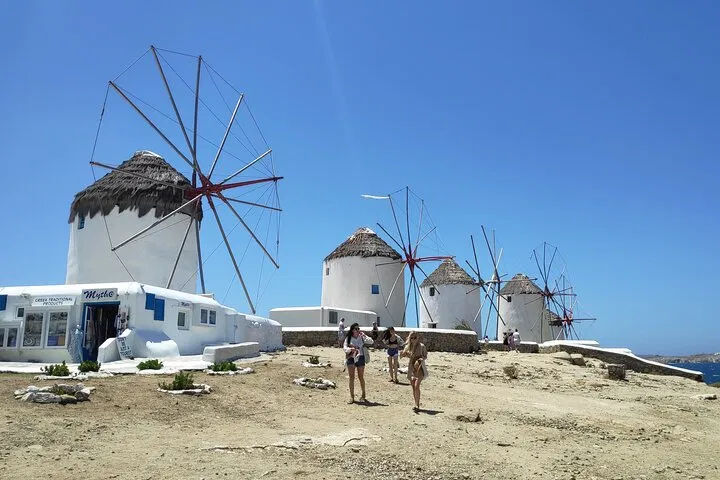

The Cyclades is a renowned group of islands in the heart of the Aegean Sea, widely celebrated as Greece’s most famous island cluster. This group includes some of the world’s most stunning islands, with Santorini and Mykonos being the most popular tourist destinations.

Other notable islands include Naxos, Andros, Paros, Tinos, Milos, Kea, Amorgos, Ios, Sikinos, Kythnos, Syros, Serifos, Sifnos, Delos (an archaeological site), Folegandros, and many others, totalling 32 islands. The islands are characterised by their arid landscapes, beautiful beaches, and iconic white Cycladic houses and churches.
The name “Cyclades” was given by ancient geographers due to the islands’ circular formation around the sacred island of Delos, the legendary birthplace of the goddess Artemis and the god Apollo. Visitors to the Cyclades are captivated by the breathtaking coastlines, pristine sandy beaches, and the charming Cycladic architecture with its harmonious blend of white and blue. The islands offer a unique experience with their traditional way of life, local music and dances, warm hospitality, and rugged landscapes dotted with secluded chapels.
Cycladic Gastronomy: Discovering Greece Through Food Tours
The Philosophy Behind Cycladic Cuisine
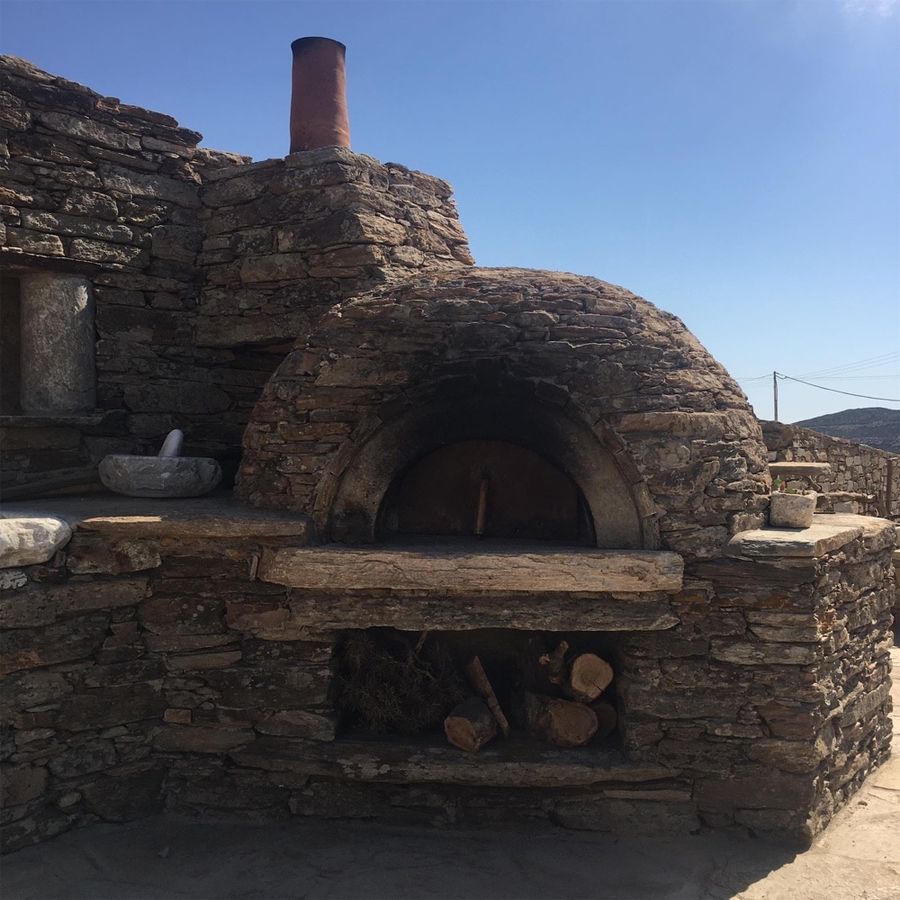
Cycladic cuisine is built on simplicity and exceptional ingredients. The dry climate, strong sea winds, and limited agricultural resources encouraged island communities to create dishes using few but high‑quality products: olive oil, legumes, wild greens, fresh fish, artisanal cheeses, and aromatic herbs.
For foreign travellers, this culinary philosophy represents the true essence of the Mediterranean diet — healthy, seasonal, and deeply connected to nature. Modern food tours across the Cyclades allow visitors to experience this philosophy firsthand by tasting traditional recipes prepared exactly as locals have made them for generations.
Local Products and Island Specialities
Each Cycladic island boasts its own local delicacies, imbued with the distinctive flavours of the Aegean. Exploring these specialities through curated food tours allows visitors to understand how geography and tradition shape taste.
Santorini, with its volcanic soil, produces exceptional wines, as well as famous small tomatoes, capers, and white eggplants, all grown without irrigation. These ingredients reflect the island’s unique agricultural heritage and are central to many local dishes.
The Cyclades are among the most iconic destinations in the Mediterranean, famous for their whitewashed villages, crystal‑clear waters, and the unique light of the Aegean Sea. For international visitors to Greece, however, the islands offer something even more memorable: an authentic culinary experience best explored through immersive food tours that connect history, landscape, and local culture through flavour.
Other islands offer equally remarkable culinary treasures:
- Mykonos is known for its spicy kopanisti and xinotiri cheeses.
- Naxos is famous for its rich arseniko cheese and strong dairy tradition.
- Tinos, Paros, and Syros produce the prized San Michali cheese, celebrated for its refined flavour and protected heritage.
Travellers are often surprised by how rich and distinctive simple ingredients can taste when produced on a small scale using traditional methods passed down through generations.
Signature Cycladic Dishes
Cycladic gastronomy reflects everyday island life and local resourcefulness. During guided food tours, visitors frequently encounter dishes deeply rooted in local culture:
- The rich fourtalia omelette from Tinos and Andros, prepared with local sausages and potatoes.
- Traditional sausages and cured pork fillet (louza) from Mykonos and Tinos.
- Chickpeas slow‑cooked overnight in clay pots on Sifnos are among the most iconic Cycladic comfort foods.
- Fresh grilled fish and seafood served simply with lemon and olive oil.
- Savoury pies filled with local cheeses and wild greens.
Sweet traditions are equally important across the islands. Visitors can enjoy pasteli (sesame and honey bars) and amygdalota (crushed-almond shortbread), desserts that reflect the Cyclades’ long history of trade and celebration.
For many tourists, sharing a meal in a small family‑run taverna becomes one of the most meaningful highlights of their trip — often more memorable than visiting famous landmarks.
Local Spirits and Traditional Drinks
No exploration of Cycladic gastronomy is complete without tasting local spirits. Most Cycladic islands produce their own version of raki, a strong distilled spirit traditionally offered as a gesture of hospitality.
- Tinos’ raki is often considered lighter and more refined.
- Amorgos is famous for rakomelo, a warm blend of raki and honey that perfectly captures the flavors of the islands.
Food tours frequently include tastings of these beverages, offering visitors insight into local customs and social traditions.
Hospitality as Part of the Culinary Experience
In the Cyclades, food is inseparable from hospitality. Greek culture expresses warmth and generosity through shared tables, local wine, and the feeling that visitors are temporarily part of the community.
Food tours enhance this experience by offering:
- Sunset dining experiences overlooking the sea.
- Conversations with local producers and chefs.
- Visits to traditional markets and small neighbourhood shops.
These interactions transform a simple meal into a meaningful cultural exchange.
Food Tours and Sustainable Tourism
In recent years, travellers have increasingly sought authentic and sustainable travel experiences. Food tours in the Cyclades support this trend by promoting local economies and preserving culinary heritage through:
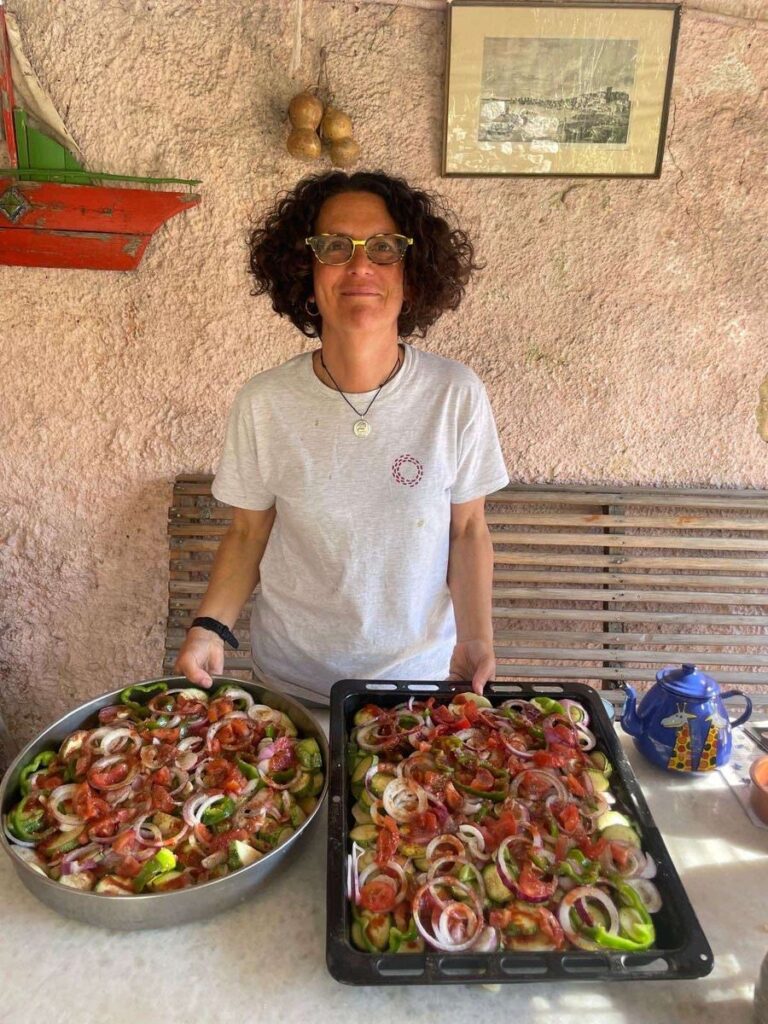
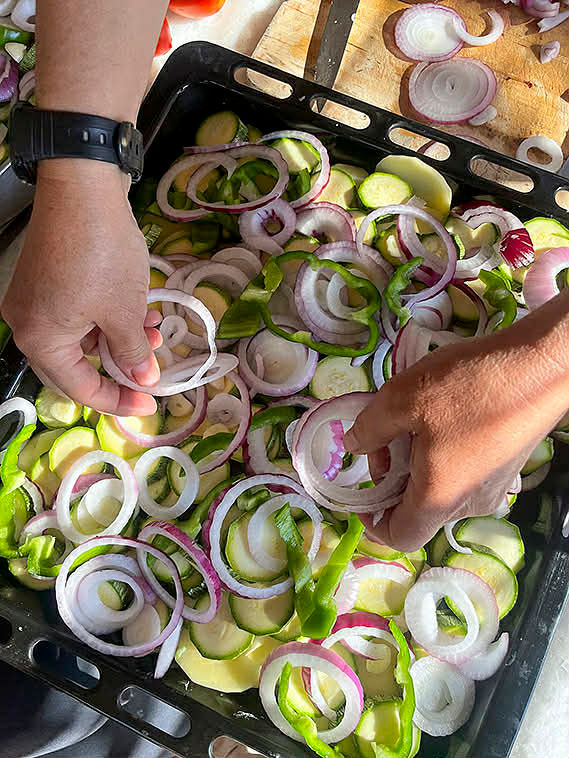
- Cooking classes led by local families.
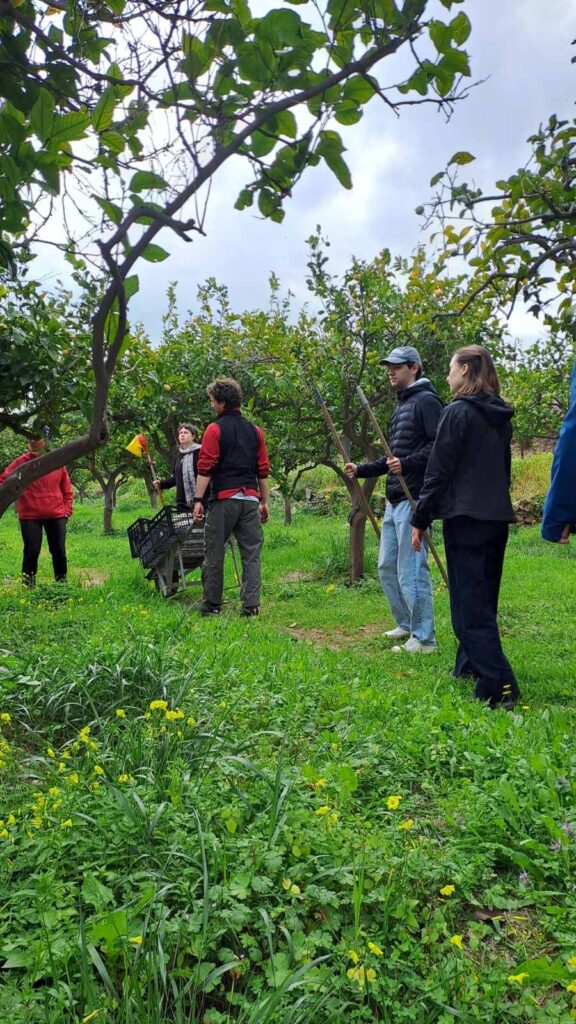
- Farm and vineyard visits.
- Wine tastings and traditional product sampling.
Choosing locally guided food tours helps sustain island communities while offering travellers deeper insight into Greek culture.
A Journey Remembered Through Taste
For international visitors, the Cyclades are more than a summer destination — they are a sensory journey. Through carefully curated food tours, travellers experience Greece not only through its landscapes but also through its flavours, aromas, and traditions.
Ultimately, Cycladic gastronomy offers one of the most authentic ways to discover Greece: not just by seeing it, but by tasting it.