A Unique Ecosystem in Western Greece
The Ambracian Gulf is one of Greece’s most important natural treasures and one of the largest enclosed gulfs in the Mediterranean. Located between Epirus and Western Greece, it is connected to the Ionian Sea by a narrow channel near the town of Preveza. Covering approximately 400 km² (see the map below), the gulf is internationally recognised for its exceptional biodiversity, protected wetlands, and rich fishing traditions.
Declared a National Park and protected under the Ramsar Convention and the Natura 2000 network, the Ambracian Gulf is a paradise for wildlife enthusiasts, birdwatchers, photographers, and travellers seeking authentic natural landscapes.
A Landscape of Lagoons and Wetlands
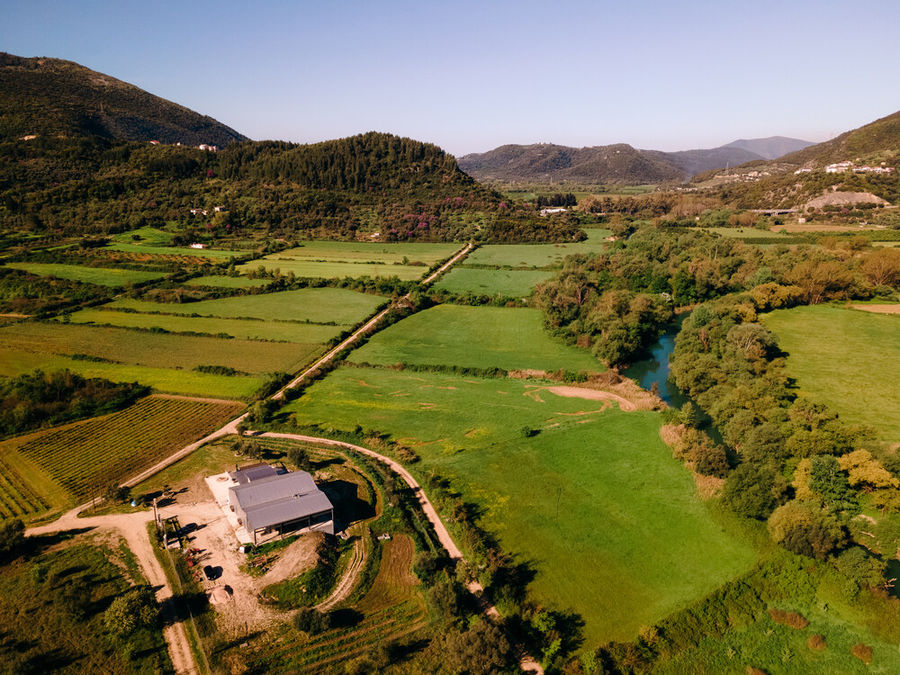
The gulf is fed by the Arachthos and Louros rivers, whose freshwater mixes with the salty Ionian Sea to create a unique ecosystem of lagoons, reed beds, marshes, estuaries, and shallow coastal waters.
This remarkable environment supports more than 300 species of birds, including flamingos, herons, spoonbills, pelicans, cormorants, and birds of prey. The wetlands are among the most important migratory bird habitats in southeastern Europe.
The gulf is also one of the few places in Greece where visitors may encounter both common bottlenose dolphins and the rare Mediterranean common dolphin, and its waters are home to sea turtles, otters, and an impressive diversity of fish and other marine life.
A Landscape Rich in History
The Ambracian Gulf has been strategically important since antiquity. The ancient city of Ambracia, founded by Corinthian colonists in the 7th century BCE and today’s Arta, became the capital of the Kingdom of Epirus under King Pyrrhus.
The gulf also witnessed one of antiquity’s most famous naval confrontations: the Battle of Actium in 31 BCE. Fought near the entrance to the gulf, Octavian’s victory over Mark Antony and Cleopatra changed the course of Roman history and led to the establishment of the Roman Empire. Nearby, the archaeological site of Nicopolis, founded by Octavian to commemorate his victory, remains one of Greece’s most impressive ancient cities.
The Gastronomy of the Ambracian Gulf
The Ambracian Gulf is one of Greece’s finest seafood destinations. Its calm, nutrient-rich waters have supported traditional fishing communities for centuries, producing some of the country’s most sought-after seafood.
Fresh fish such as sea bass, grey mullet, eel, sea bream, sardines, and anchovies are caught daily using traditional methods. The gulf is especially renowned for its prawns, shrimp, octopus, cuttlefish, and shellfish, while fish roe and salted fish products also form part of the local culinary heritage.
Traditional recipes emphasise simplicity, allowing the freshness of the ingredients to shine. Grilled fish, seafood stews, marinated anchovies, fried shrimp, octopus cooked in wine, and fish soups are among the region’s signature dishes.
The surrounding fertile plains produce excellent olive oil, citrus fruits, vegetables, herbs, and dairy products, while Epirus contributes famous cheeses, handmade pies, and high-quality lamb and goat dishes that complement the seafood cuisine.
Bottarga: The Gulf’s Gourmet Delicacy
The Ambracian Gulf is also renowned for its exceptional bottarga, one of Greece’s finest seafood delicacies. Produced from the roe of grey mullet (avgotaracho), the roe sacs are carefully salted and naturally dried using traditional techniques
passed down through generations. Thanks to the gulf’s unique brackish ecosystem, the mullet develop roe of outstanding quality, prized for its rich umami flavour, delicate texture, and subtle marine aromas. Thinly sliced bottarga is typically served with extra virgin olive oil and lemon, grated over pasta or risotto, or enjoyed alongside local wines and tsipouro. Although the nearby town of Messolonghi is internationally famous for its Protected Designation of Origin (PDO) bottarga, the Ambracian Gulf also maintains a long-standing tradition of producing this prized delicacy, reflecting the region’s deep connection to its fishing heritage and artisanal seafood craftsmanship.
Traditional Fishing Villages
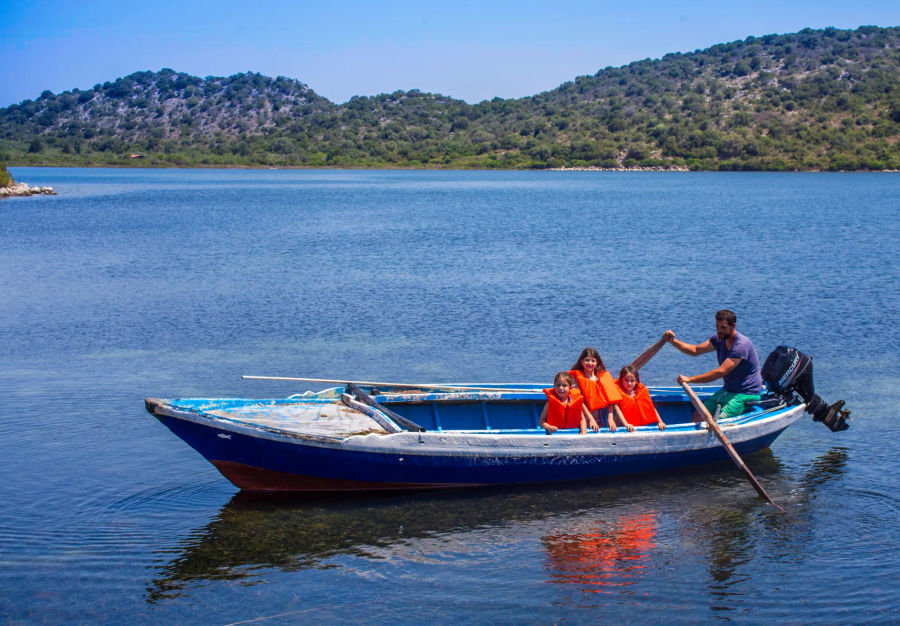
Picturesque fishing villages line the shores of the gulf, preserving centuries-old maritime traditions. Wooden fishing boats, fish farms, and traditional floating fishing huts remain an integral part of everyday life.
Visitors can enjoy fresh seafood at family-run tavernas overlooking the water, where recipes have been passed down through generations and local hospitality remains at the heart of the dining experience.
Nature Activities and Eco-Tourism
The Ambracian Gulf offers outstanding opportunities for eco-tourism and outdoor activities. Birdwatching, kayaking, boat excursions, dolphin-watching tours, cycling, hiking, and wildlife photography attract nature lovers year-round.
Observation towers and nature trails allow visitors to explore the wetlands without disturbing the delicate ecosystem, while guided tours provide insights into the region’s biodiversity and conservation efforts.
A Hidden Gem of Western Greece
Despite its ecological importance, the Ambracian Gulf remains one of Greece’s lesser-known destinations, offering visitors an authentic experience away from mass tourism. Its combination of pristine wetlands, ancient history, traditional fishing culture, and exceptional gastronomy creates a destination unlike any other in the country.
Whether exploring the lagoons by boat, watching dolphins, discovering the ruins of Nicopolis, or enjoying freshly caught seafood by the water, visitors experience one of Greece’s richest natural and cultural landscapes.
Where Nature and Tradition Meet
The Ambracian Gulf is a place where rivers, sea, wildlife, history, and gastronomy come together in remarkable harmony. From its internationally protected wetlands and ancient battlefields to its thriving fishing communities and celebrated seafood cuisine, the gulf offers an unforgettable journey into one of the Mediterranean’s most important ecosystems.
Rich in biodiversity, history, and authentic local traditions, the Ambracian Gulf stands as one of Greece’s finest destinations for nature, culture, and sustainable travel.