
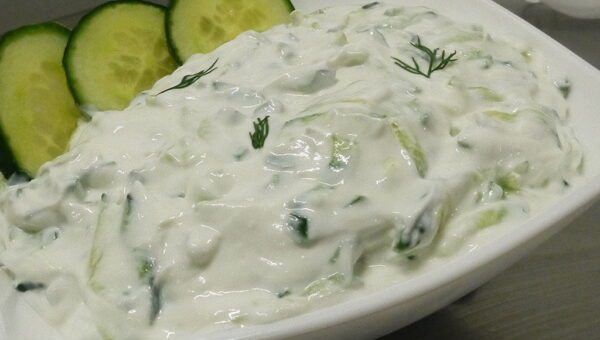
What Is Tzatziki?
Tzatziki is one of the most iconic appetisers in Greek cuisine, known for its refreshing taste and creamy texture. This traditional dip combines strained yoghurt with grated cucumber, garlic, fresh herbs, and olive oil to create a light, flavorful sauce. Although deeply associated with Greek gastronomy, its roots trace back to Turkey, where a similar dish, cacık, has long been part of local culinary traditions. Over time, the recipe evolved in Greece, becoming a staple of the Mediterranean diet and an essential part of the country’s culinary identity.
Origins and Cultural Significance
Historically, this yoghurt-based sauce was introduced to Greece during the late Ottoman period, and its name reflects its Turkish origin. In the early years, it was sometimes referred to as satziki in Greece, but the modern name gradually became widely accepted. Today, it represents Greek hospitality, often served at tavernas, family gatherings, and festive occasions. It is more than just a dip—it is a symbol of sharing, conviviality, and the simplicity of Greek home cooking.
Key Ingredients and Preparation
The foundation of this dish is strained Greek yoghurt, which gives it a thick and velvety consistency. Grated cucumber adds freshness and a subtle crunch, while minced garlic provides a sharp, aromatic kick. Fresh dill is traditionally used, though some variations include mint or parsley for additional herbal notes. High-quality extra virgin olive oil is drizzled in to enhance richness and bring the flavours together.
Once mixed, the sauce should be refrigerated for at least one hour. Chilling allows flavours to meld and intensify, creating a more balanced, aromatic result. This resting time is essential to achieving the authentic taste of traditional Greek tavernas.
How It Is Served
Tzatziki is incredibly versatile and can be enjoyed in many ways. It is commonly served as an appetiser alongside warm pita bread, fresh vegetables, or crispy fried zucchini. It pairs exceptionally well with grilled meats such as chicken, lamb, or pork, adding a cool and creamy contrast to smoky flavours. In Greece, it is also a popular accompaniment to French fries and seafood dishes.
One of its most famous uses is in souvlaki, where it is spread inside warm pita bread with grilled meat, tomatoes, and onions. It also appears on meze tables, where it is enjoyed with ouzo or tsipouro as part of a shared dining experience.
Nutritional Benefits
This yoghurt-based dip fits perfectly into the Mediterranean diet, which is renowned for its health benefits. Greek yoghurt is rich in protein and probiotics, supporting digestion and gut health. Cucumbers provide hydration and antioxidants, while garlic is known for its antimicrobial and immune-boosting properties. Olive oil contributes healthy monounsaturated fats, which are beneficial for heart health.
Because it is made with simple, fresh ingredients, this dish is both nutritious and satisfying, making it a popular choice for those seeking a balanced and wholesome diet.
Regional Variations and Modern Twists
While the traditional recipe remains the most popular, regional variations exist throughout Greece and the Eastern Mediterranean. Some versions include a splash of lemon juice or vinegar for extra tanginess, while others incorporate finely chopped mint for a refreshing twist. In modern cuisine, chefs often experiment with roasted garlic, Greek yoghurt alternatives, or even avocado to create contemporary interpretations.
Despite these variations, the classic version remains beloved for its authentic taste and simplicity. Whether served at a seaside taverna, a family dinner, or a street food stand, it remains a cornerstone of Greek gastronomy.
Why Tzatziki Remains a Greek Favourite
The enduring popularity of this dish lies in its balance of flavours and its versatility. It complements a wide range of foods, from grilled meats to vegetables and bread, making it a staple on Greek tables. Its refreshing nature makes it especially popular during the summer months, but it is enjoyed year-round in everyday meals and festive gatherings.
Tzatziki is not just a sauce—it is a culinary tradition that reflects Greece’s love for fresh ingredients, communal dining, and simple yet flavorful recipes. Whether you are tasting it for the first time or preparing it at home, it offers a delicious introduction to Greek cuisine and Mediterranean flavours.