A Culinary Region Shaped by Civilisations
Macedonia is considered one of the richest gastronomic regions in Greece, combining mountain traditions, fertile agricultural land, coastal influences, and centuries of cultural interaction. Its cuisine reflects the region’s complex history, shaped by ancient Macedonians, Byzantines, Ottomans, Jewish communities, Balkan populations, and refugee groups from Asia Minor, Pontus, and Eastern Thrace.
The heart of a singular, authentic, and deeply diverse cuisine beats throughout Macedonia. While eating habits and culinary traditions are widely shared across the region, each locality contributes its own unique character, products, and recipes. Over centuries, Macedonian gastronomy achieved a harmonious union between Byzantine cuisine, Eastern inventiveness, local rural traditions, and the multicultural influences that passed through the region.
Geography and Local Ingredients Influencing Macedonia’s Gastronomy
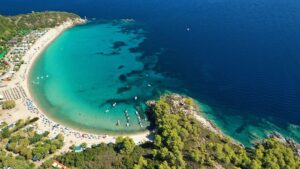
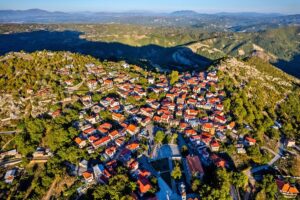
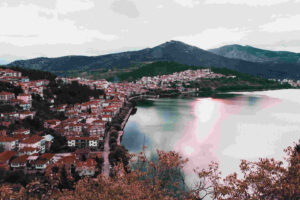
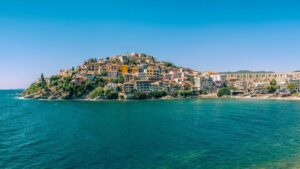
The geographical diversity strongly shapes Macedonia’s Gastronomy. Coastal areas such as Thessaloniki, Chalkidiki, and Kavala are known for seafood and olive oil, while inland mountainous regions have developed cuisines based on meat, legumes, mushrooms, peppers, dairy products, and preserved foods suited to colder climates.
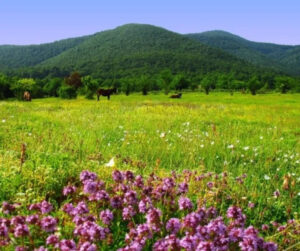
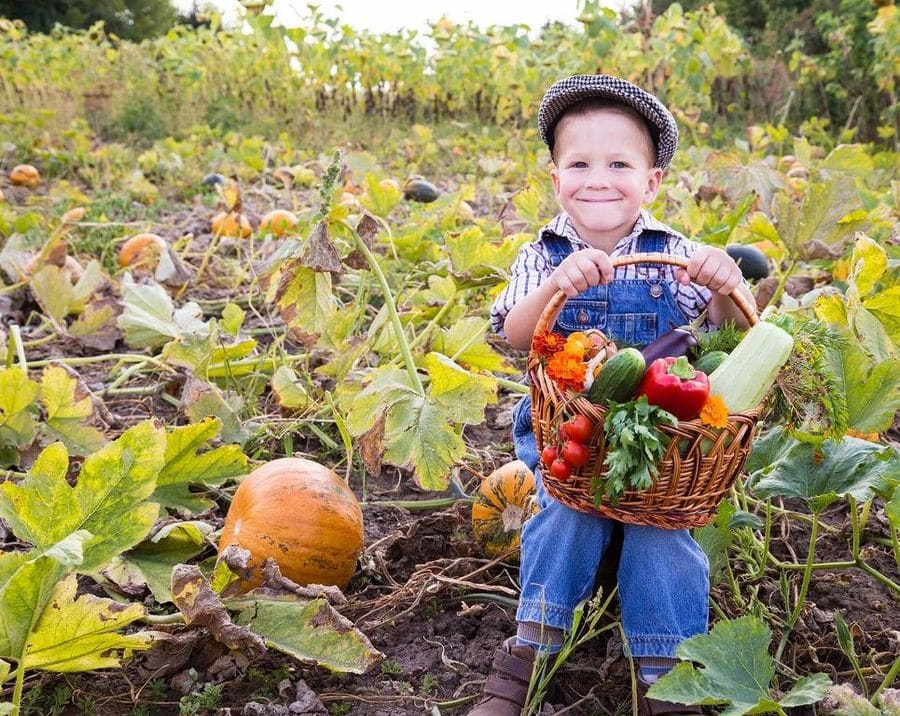
During spring, rivers and lakes enrich local diets with freshwater fish such as trout, bass, and catfish, while summer brings an abundance of fruits, vegetables, herbs, and aromatic plants from the fertile Macedonian plains.
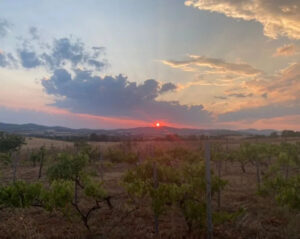
In autumn, vineyards enter harvest season as vegetables, wine, and tsipouro become central to village life. The aromas of distillation mix with traditional winter preparations such as sausages, kavourma, smoked meats, and preserved pork products. Winter cuisine becomes richer and more comforting, relying on slow-cooked dishes, legumes, pies, and preserved ingredients.
One of Macedonia’s most exceptional agricultural products is the saffron of Kozani, known internationally as Krokos Kozanis and considered among the highest-quality saffron in the world.
Refugee Influence and Urban Food Culture
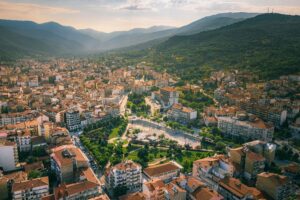
A defining transformation in Macedonia’s Gastronomy came after the population exchange between Greece and Turkey in 1923. Refugees from Smyrna, Constantinople, Pontus, and Eastern Thrace settled across Macedonia, especially in Thessaloniki and other urban centres.
These communities introduced recipes rich in spices, pastries, slow-cooked meats, sweets, and refined meze traditions that blended with local rural cooking. This fusion shaped much of modern Macedonian cuisine and remains visible today in bakery culture, syrup-based desserts, street food, and everyday cooking.
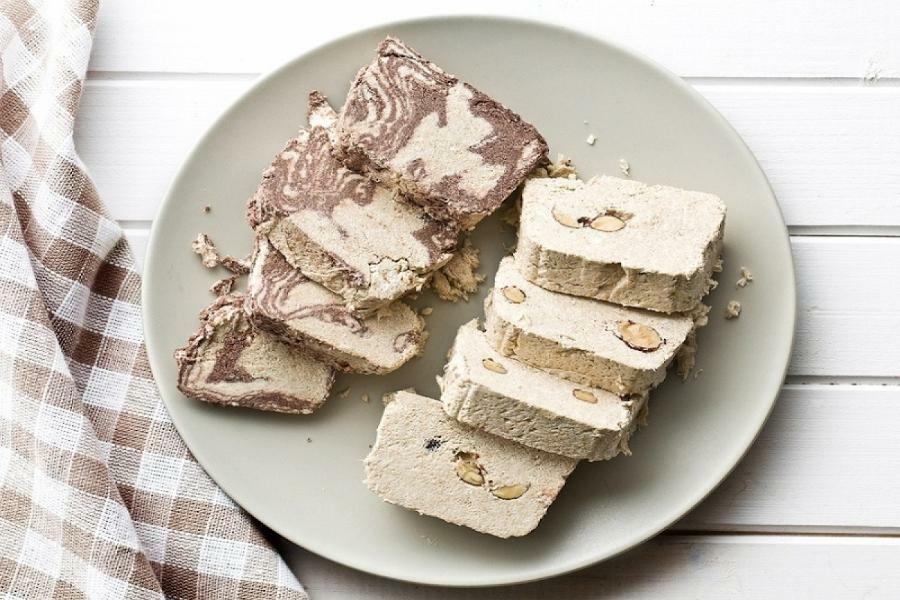
Christmas sweets such as baklava, finikia, halva, melomakarona, and ekmek kataifi still carry strong memories of Asia Minor culinary traditions brought by refugee communities nearly a century ago.
Signature Dishes and Products of Macedonia’s Gastronomy
Greek Macedonian cuisine is characterised by generous use of:
- Olive oil
- Fresh herbs and spices
- Peppers and preserved vegetables
- Legumes and beans
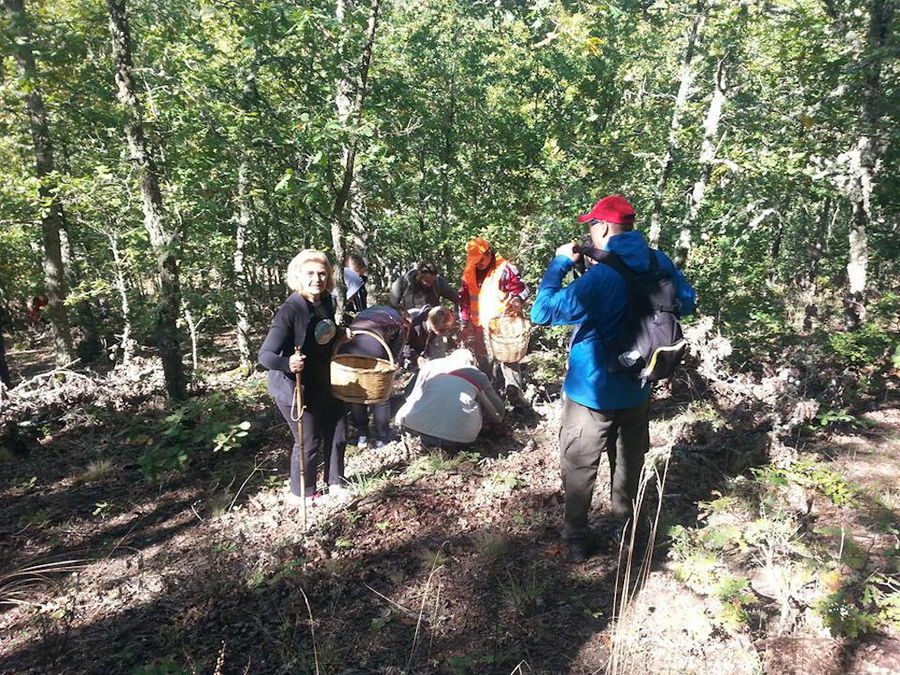
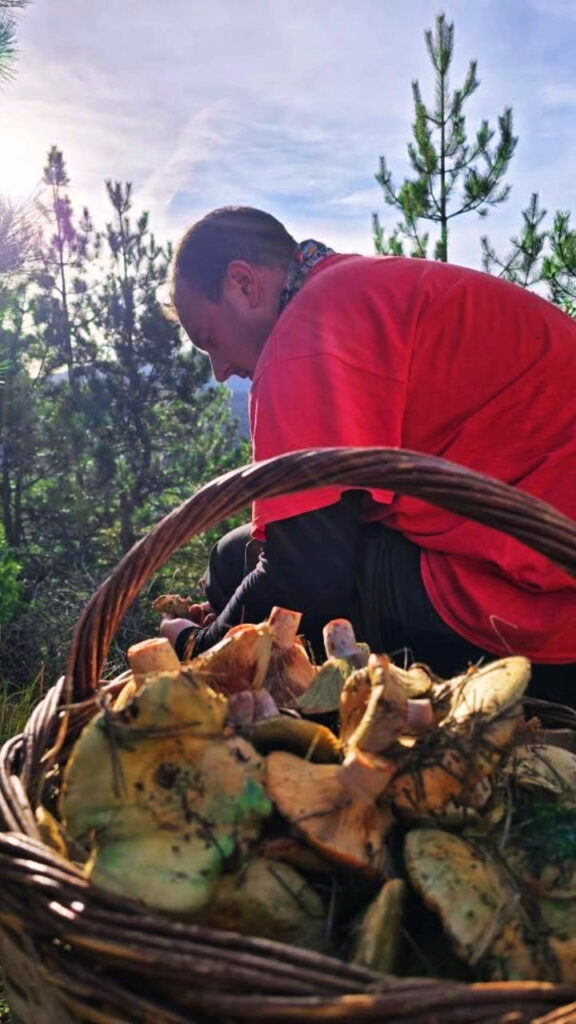
- Wild greens and mushrooms
- Dairy products and cheeses
- Pork, lamb, and cured meats
- Seafood and freshwater fish
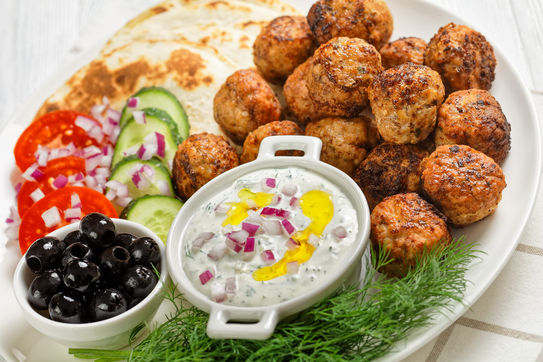
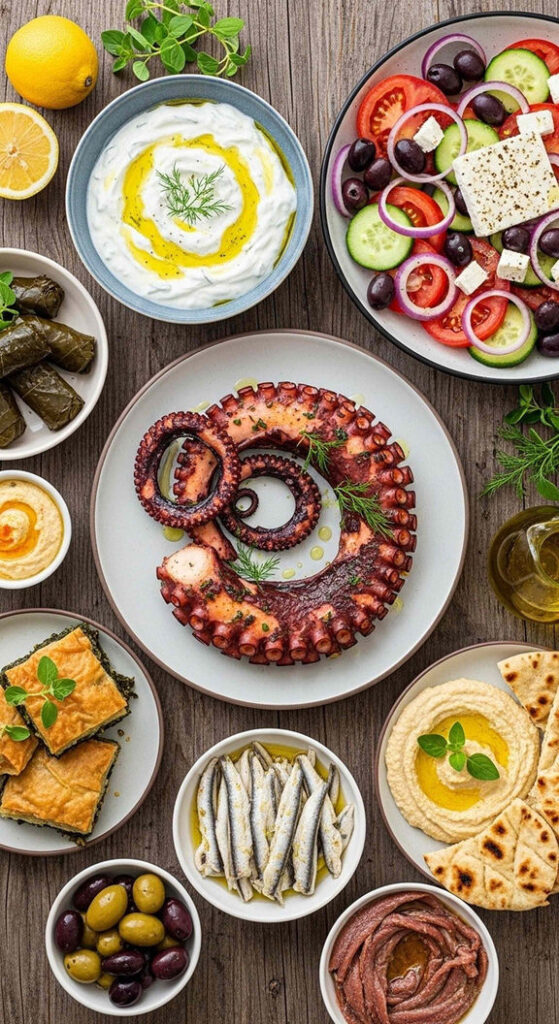
Traditional dishes vary greatly across the region, but common examples include bougatsa, giaprakia, handmade pies, grilled meats, seafood meze, bean soups, sausages, spoon sweets, and syrup pastries.
The multiculturalism of Macedonia is reflected in its flavours, where Byzantine influences, Balkan traditions, Ottoman heritage, refugee cuisine, and local agricultural products coexist harmoniously. Over time, recipes evolved and adapted to local climates, ingredients, and village customs, creating one of Greece’s most complex and distinctive regional cuisines.
Wine, Tsipouro & Social Tradition
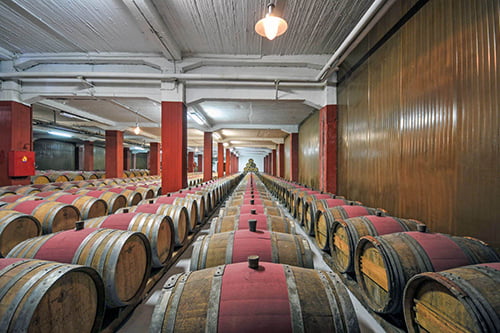
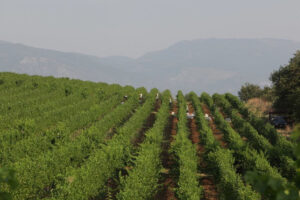
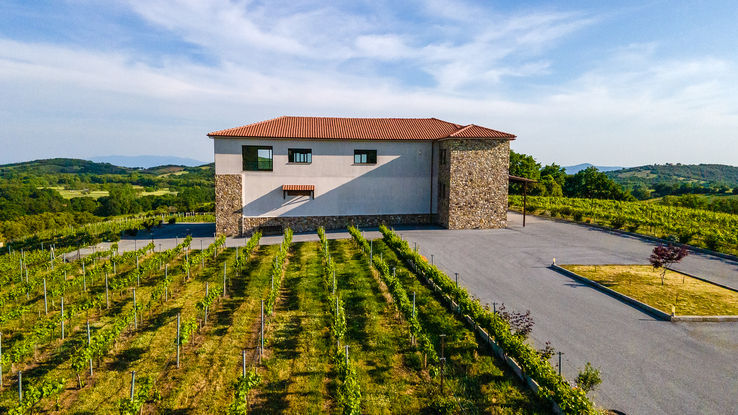
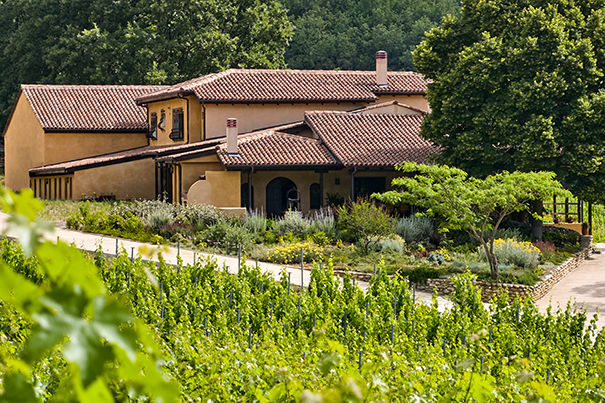
Macedonia is also one of Greece’s leading wine-producing regions. Areas such as Naoussa, Amyndeo, and Goumenissa are internationally recognised for Xinomavro wines, while Drama and Chalkidiki are known for dynamic modern wineries and coastal vineyards.
Tsipouro remains central to social life and hospitality, traditionally paired with shared meze dishes in tavernas and at family gatherings.
A Living Gastronomic Heritage
Today, Greek Macedonia remains one of the country’s most important culinary destinations. Its gastronomy reflects centuries of history, migration, agriculture, and multicultural coexistence.
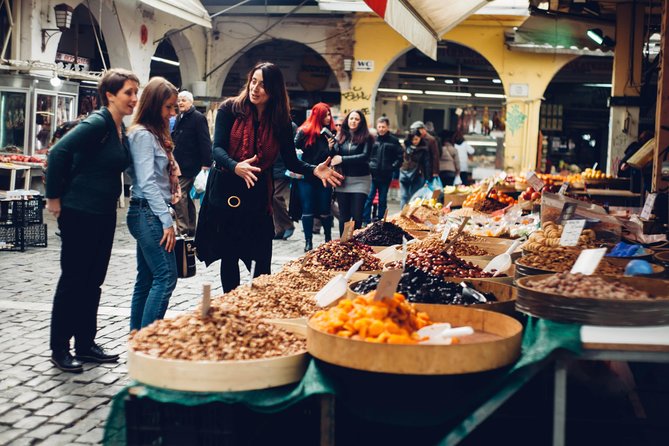
From the wine routes of Naoussa and the markets of Thessaloniki to the mountain villages of western Macedonia and the seafood tavernas of Chalkidiki, the region offers a complete gastronomic journey through northern Greece—where every flavour carries history, memory, and tradition.
Protected Designation of Origin (PDO) and Protected Geographical Indication (PGI) products:
| Product | Designation of Origin (PDO) or Geographical Indication (PGI) | Prefecture |
| Pulses | Beans gigandes-elephandes of Kato Nevrikopi PGI) | Drama |
| Pulses | Mid-sized, flat beans of Kato Nevrikopi PGI) | Drama |
| Pulses | Beans gigandes-elephandes of Kastoria (PGI) | Kastoria |
| Pulses | Beans gigandes-elephandes of Prespes (PGI) | Florina |
| Pulses | Big-sized, flat beans of Prespes (PGI) | Florina |
| Others products | Saffron of Kozani (PDO) | Kozani |
| Cheese | Anevates tiganites (PDO) | Kozani, Grevena |
| Cheese | Batzos (PDO) | Kozani, Grevena, Florina, Kastoria, Thessaloniki, Chalkidiki, Kilkis, Pella, Imathia, Pieria |
| Cheese | Feta (PDO) | All prefectures |
| Cheese | Kaseri (PDO) | Drama, Kavala, Serres, Thessaloniki, Chalkidiki, Kilkis, Pella, Imathia, Pieria |
| Cheese | Manouri (PDO) | Kozani, Grevena, Florina, Kastoria, Thessaloniki, Chalkidiki, Kilkis, Pella, Imathia, Pieria |
| Cheese | Kefalograviera (PDO) | Kozani, Grevena, Florina, Kastoria |
| Olive oil, olives | Early harvest olive oil (PDO) | Chalkidiki |
| Olive oil, olives | Green olives (PDO) | Chalkidiki |
| Olive oil, olives | Green olives of Galano Metangitsi (PDO) | Chalkidiki |
| Fruits, vegetables | Tragana (crispy) cherries of Rodochori (PDO) | Imathia |
| Fruits, vegetables | Peaches (PDO) | Naoussa |
| Fruits, vegetables | Kiwi of Pieria (PGI) | Pieria |
| Fruits, vegetables | Apple of Kastoria (PGI) | Kastoria |
| Wine | Agion Oros (PGI) | Agion Oros |
| Wine | Agora (PGI) | Drama |
| Wine | Adriani (PGI) | Drama |
| Wine | Velvedo (PGI) | Kozani |
| Wine | Epanomi (PGI) | Thessaloniki |
| Wine | Thasos (PGI) | Xanthi |
| Wine | Messimvria (PGI) | Thessaloniki |
| Wine | Paggaio (PGI) | Kavala |
| Wine | Plagies Vertiskou (PGI) | Thessaloniki |
| Wine | Plagies Paikou (PGI) | Kilkis |
| Wine | Siatista (PGI) | Kozani |
| Wine | Sithonia (PDO) | Chalkidiki |
| Wine | Gouemenissa (PDO) | Kilkis |
| Wine | Naoussa (PDO) | Naoussa |
| Wine | Plagies Melitona (PDO) | Chalkidiki |
| Wine | Amyntheo (PDO) | Amyndeo |