The Multicultural Jewel of Thrace – A City Where East and West Meet
Xanthi, along with the rest of Thrace, was taken over by the Ottomans in 1375. The habitation of the region by Muslims and the Islamization of the mountain villages began at the end of the 14th century. Over time, different populations settled in the wider area, shaping a multicultural society whose traces remain visible today in architecture, traditions, language, and, above all, gastronomy.
The region began to develop dynamically in the 17th century and flourished during the 18th and 19th centuries thanks to the organised production and trade of high-quality tobacco. Wealthy merchants built elegant mansions, schools, and public buildings, earning Xanthi the nickname “Little Paris” because of its prosperity and cosmopolitan atmosphere.
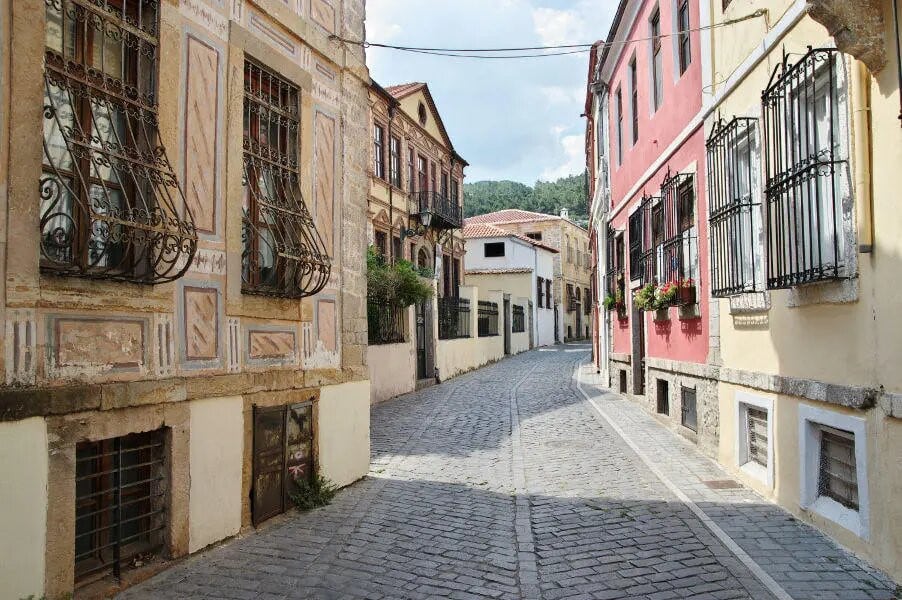
Two successive earthquakes in 1829 destroyed much of the town and surrounding villages. Despite this, Xanthi was rebuilt with care, preserving much of its earlier urban layout and architectural identity. Today, its Old Town is considered one of the largest and best-preserved traditional settlements in Greece, featuring narrow cobbled streets, colourful houses, neoclassical mansions, Ottoman fountains, and religious buildings standing side by side. Walking through its alleys offers a journey through centuries of coexistence and cultural exchange.
During the First Balkan War in 1912, Xanthi was occupied by Bulgarian forces and remained under foreign control until 1919, when it was incorporated into Greece following World War I and the Balkan conflicts. In 1920, the city was officially integrated into the Greek state.
A few years later, the compulsory population exchange between Greece and Turkey was established by the Treaty of Lausanne in 1923. Around 1.5 million Greek Orthodox Christians left Asia Minor and settled in Greece, while many Muslims living in Greece moved to Turkey.
However, as in the rest of Western Thrace, Xanthi’s Muslim minority was excluded from the exchange. Because of this exception, the city preserved its multicultural character and continues to host Christian and Muslim communities living together.
After 1923, Greek refugees from Asia Minor settled in Xanthi and surrounding villages, bringing new traditions, culinary influences, craftsmanship, and economic activity that enriched local cultural life.
The hardships continued during the Second World War: German troops entered the city on 8 April 1941 and later handed administration to Bulgaria, a period marked by violence and suffering for the local population. Liberation came in 1944, allowing Xanthi to begin rebuilding socially and economically.
Today, Xanthi is known for its vibrant Old Town, where Ottoman mansions, neoclassical buildings, narrow stone streets, churches, and mosques coexist in harmony. The city stands as a living example of Thrace’s complex history and the lasting impact of war, migration, and cultural exchange.
Gastronomy and Cultural Identity
The gastronomy of an area often mirrors its cultural identity, and Xanthi is a remarkable example. Greeks, Muslims, Pomaks, Romani, Armenians, Pontic Greeks, and Cappadocian refugees all contributed elements to the local culinary tradition, creating a cuisine rich in flavours, aromas, and techniques drawn from the Balkans and Asia Minor.
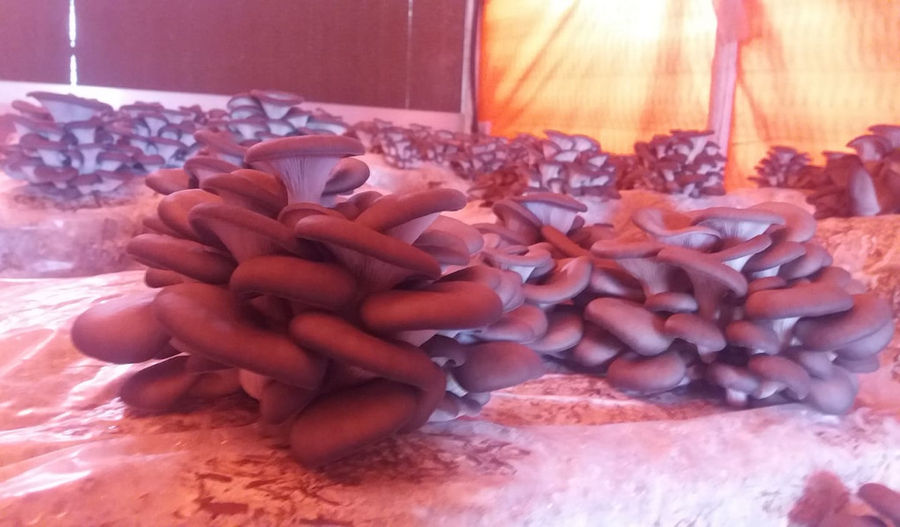
The fertile plains and mountainous terrain of the district produce a wide variety of ingredients: fruit, vegetables, potatoes, legumes, asparagus, mushrooms, and, more recently, truffles. Livestock farming and dairy production remain essential pillars of the local economy, especially in mountainous villages where traditional practices continue. Poultry farming, freshwater fishing for river trout, and fishing or aquaculture in the Thracian Sea and Porto Lagos further enrich the regional food supply.
Visitors quickly discover that Xanthi’s cuisine is inseparable from its land and its people. Local dishes reflect seasonal availability and centuries-old family recipes. Among the most characteristic tastes are roasted chickpeas, grilled meats and kebabs, chickpeas cooked with pumpkin and aromatic spices, and lamb served with hilopites or gioufkades pasta. Savoury pies hold a special place at the local table: pastourmadopita, made with cured and seasoned beef, and prasokreatopita, a meat-and-leek pie traditionally eaten on New Year’s Day.
Another celebrated delicacy is kavourmas, seasoned meat slowly cooked with spices such as allspice, cinnamon, and clove, then preserved in its own fat. Each producer prepares it differently, giving visitors the opportunity to taste subtle variations from village to village. Dairy products are equally important; cheeses such as kaseri, feta, and graviera are produced using local milk and traditional methods that highlight the region’s pastoral heritage.
Visiting Local Producers
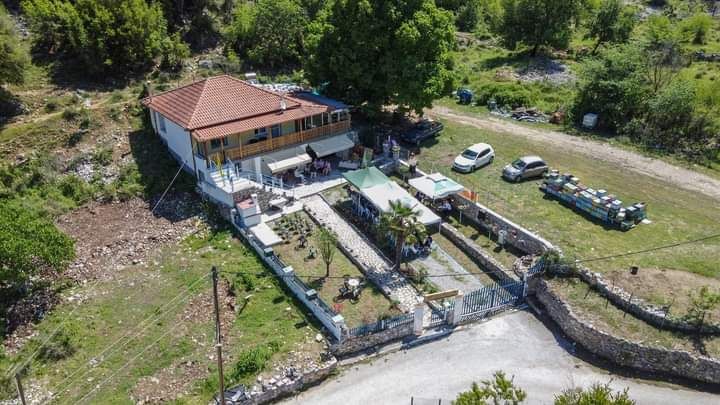
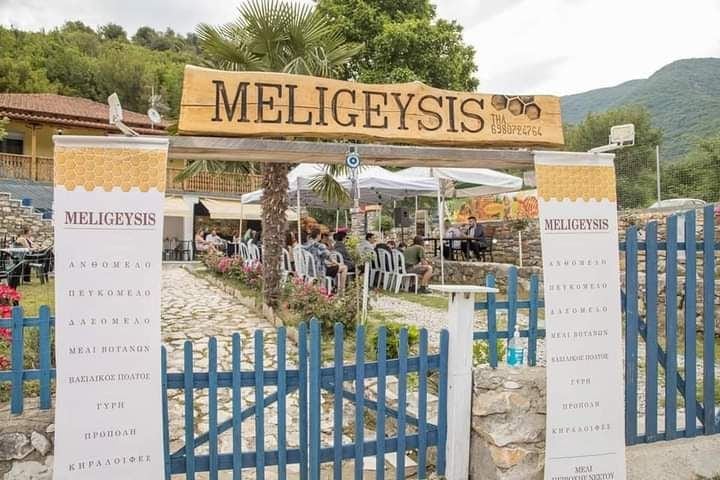
To truly understand Xanthi, visitors should go beyond restaurants and seek out the people who produce its food. Small family farms, mountain dairies, traditional pasta makers, honey producers, and cured-meat artisans welcome guests who wish to experience authentic rural life. A visit to these producers offers not only tastings but also stories—about seasonal work, inherited techniques, and the relationship between landscape and flavour.
In the Nestos Valley and the villages around Stavroupoli, local cooperatives and women’s associations produce spoon sweets, jams, handmade pasta, herbs, and forest products using recipes passed down through generations. Purchasing directly from producers supports the local economy while preserving traditions that might otherwise disappear.
Wine and tsipouro producers in the wider region also increasingly open their doors to visitors, offering guided tastings paired with regional dishes. These encounters transform a simple meal into a cultural experience, allowing travellers to connect personally with the people behind the flavours.
A Living Cultural Mosaic
Modern Xanthi is often described as the “Lady of Thrace,” a city where East meets West at the crossroads of Europe and Asia. Its multicultural past remains alive not only in monuments but also in everyday life—markets filled with spices, bakeries selling syrupy sweets, and festivals that celebrate shared traditions.
Exploring Xanthi means discovering history through taste, conversation, and landscape. From the elegant Old Town to the mountain villages and coastal lagoons, every stop offers an opportunity to meet producers, taste authentic foods, and understand how culture and agriculture intertwine. By visiting local farms, dairies, and workshops, travellers become part of a living tradition—one that continues to shape Xanthi’s identity just as strongly today as tobacco once did in its golden age.
In Xanthi, history is not only seen; it is tasted, shared, and preserved through the hands of its people.