A Historic and Gastronomic Land – History & Food Tours in the Peloponnese
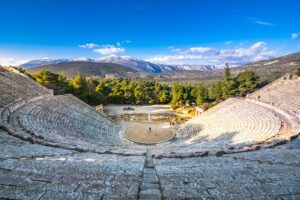
Argolis, located in the northeastern Peloponnese, is one of Greece’s most historically significant and gastronomically rich regions. Combining ancient civilisation, fertile agricultural land, and a privileged coastal position, the region, which includes major cities such as Argos, Epidavros, and Nafplio, has become a leading destination for food tours in Greece and for culinary tourism in the Peloponnese. Visitors discover a unique balance of heritage, landscape, and traditional Greek cuisine here.
A Region Shaped by Ancient Civilisations and History
Human presence dates back to prehistoric times, making it one of the earliest continuously inhabited regions in Europe. During the Mycenaean era, it emerged as one of the most powerful centres of ancient Greece. The monumental sites of Mycenae and Tiryns remain iconic symbols of this civilisation and are recognised as UNESCO World Heritage Sites.
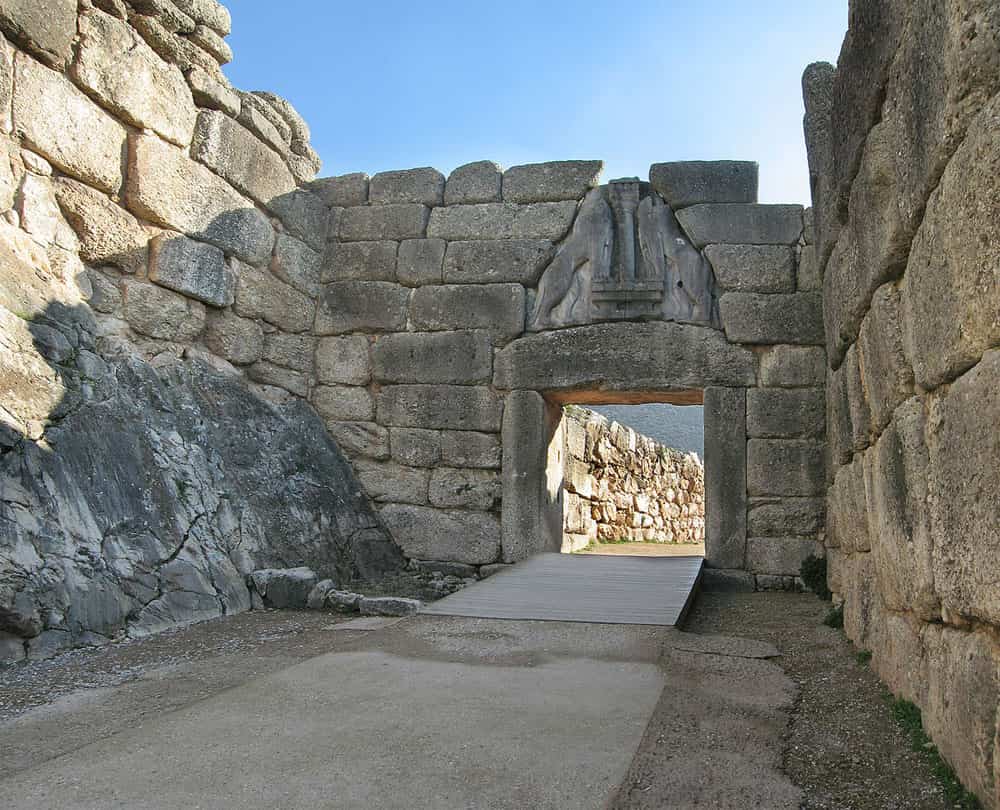
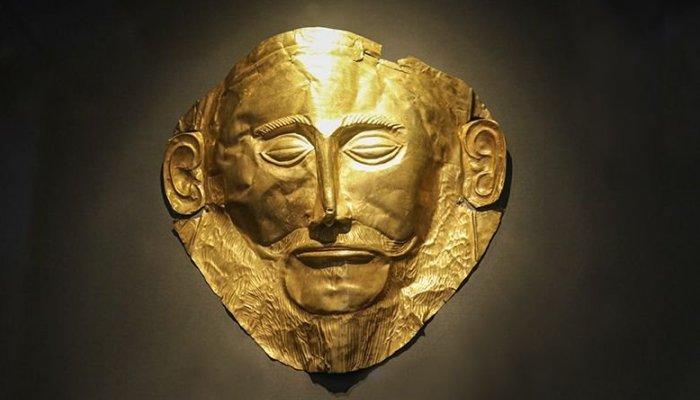
Mycenae, often associated with King Agamemnon, reflects the military and cultural strength of the Mycenaean world, while Tiryns is famous for its massive Cyclopean walls and advanced architectural techniques. These archaeological treasures highlight Argolis as a foundational region in the development of Greek history and identity.
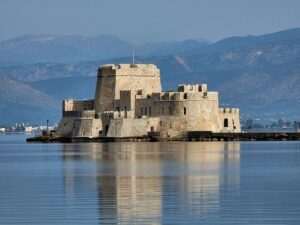
In later centuries, it continued to play an important role due to its strategic coastal location. The elegant seaside city of Nafplio became the first capital of modern Greece after the War of Independence. Today, Nafplio stands as one of the most charming destinations in the country, combining Venetian architecture, neoclassical buildings, and a vibrant culinary scene, making it a key hub for food and wine experiences in Argolis.
A Gastronomic Treasure of the Peloponnese
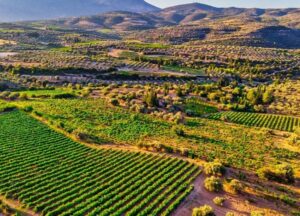
Argolis is widely regarded as one of the most fertile agricultural regions in Greece. Its mild Mediterranean climate, rich soil, and abundant sunshine create ideal conditions for producing high-quality ingredients that define traditional Greek cuisine in the region.
The region is especially known for its olive oil, citrus fruits, vegetables, grapes, and aromatic herbs. The Argolic plain is one of Greece’s most productive agricultural zones, with orange groves stretching across vast areas and supplying both local markets and national exports. These oranges are prized for their sweetness and are used in both savoury dishes and traditional desserts.
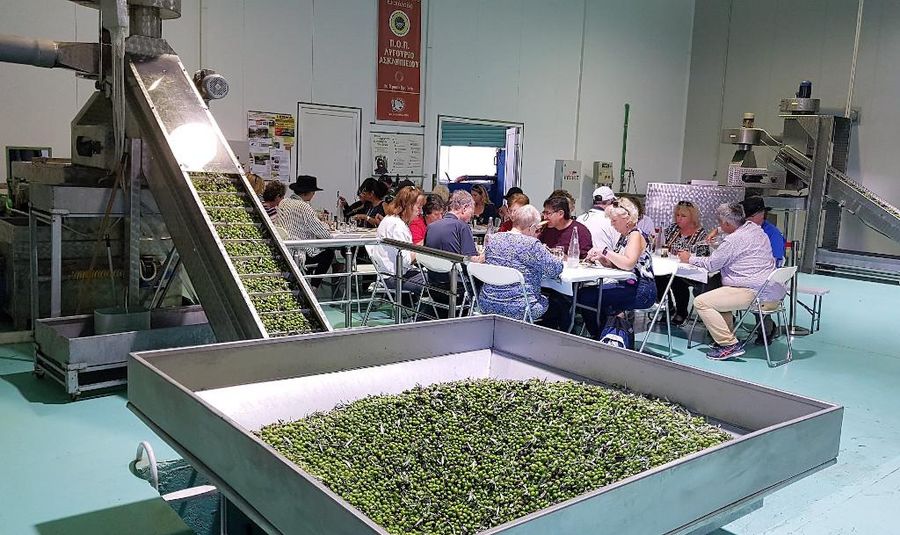
Olive oil plays a central role in the local diet. Produced from centuries-old olive groves, Argolis olive oil is an essential ingredient in everyday cooking and a cornerstone of the Mediterranean diet. Combined with fresh vegetables and herbs, it forms the basis of the region’s simple yet flavorful cuisine.
The proximity to the sea also enriches Argolis gastronomy. The Argolic Gulf provides fresh fish and seafood, which are prepared using traditional methods that highlight natural flavours rather than heavy seasoning.
Traditional Flavours and Culinary Identity of Argolis
The cuisine of Argolis is defined by simplicity, seasonality, and respect for local ingredients. During food tours in Argolis, visitors can sample authentic dishes that reflect centuries of culinary tradition and rural life.
Some of the most representative traditional regional dishes include:
- Bogana – a signature dish of Argolis, consisting of slow-roasted lamb cooked in a sealed clay pot, allowing the meat to become extremely tender and flavorful
- Goat with artichokes – a seasonal dish combining locally raised goat meat with wild or cultivated artichokes
- Kagianas (strapatsada) – a traditional Greek dish made with scrambled eggs, fresh tomatoes, and olive oil
- Fresh seafood from the Argolic Gulf – grilled fish, squid, and shellfish, often served with lemon and herbs
- Traditional pies (pites) – filled with wild greens, cheese, or seasonal vegetables, reflecting home-style cooking traditions
- Hilopites (handmade pasta) – often served with chicken or slow-cooked meat sauces
- Local cheeses and dairy products – produced in small-scale farms using traditional methods
- Citrus-based sweets and desserts – highlighting the region’s famous orange production
These dishes represent the essence of Peloponnesian cuisine, where authenticity, simplicity, and local identity are central elements.
Wine and Culinary Tourism
Argolis is closely connected to the famous wine region of Nemea, one of Greece’s most important wine-producing areas. Nemea is internationally recognised for the Agiorgitiko grape variety, which produces rich and aromatic red wines.
Wine tourism is an essential part of culinary experiences in the Peloponnese, and visitors often combine vineyard tours with local food tastings. Pairing traditional dishes from Argolis with wines from Nemea creates a complete gastronomic experience that highlights the diversity and quality of Greek agricultural products.
A Leading Destination for Food Tours in Greece
Today, Argolis has become a top destination for food tours, gastronomic experiences, and cultural travel in Greece. Its unique combination of ancient history, fertile landscapes, and traditional cuisine makes it ideal for travellers seeking authentic experiences beyond mass tourism.
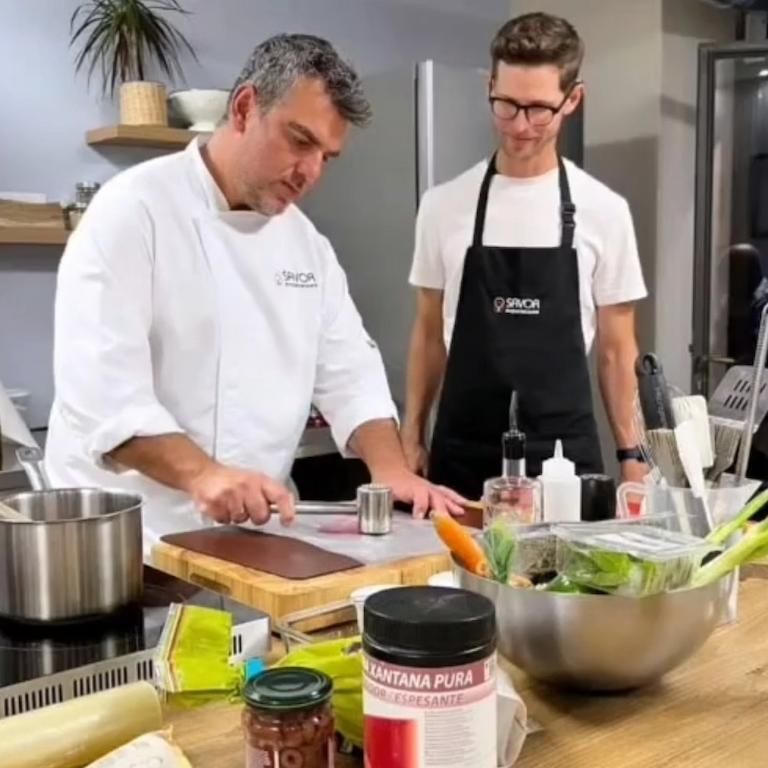
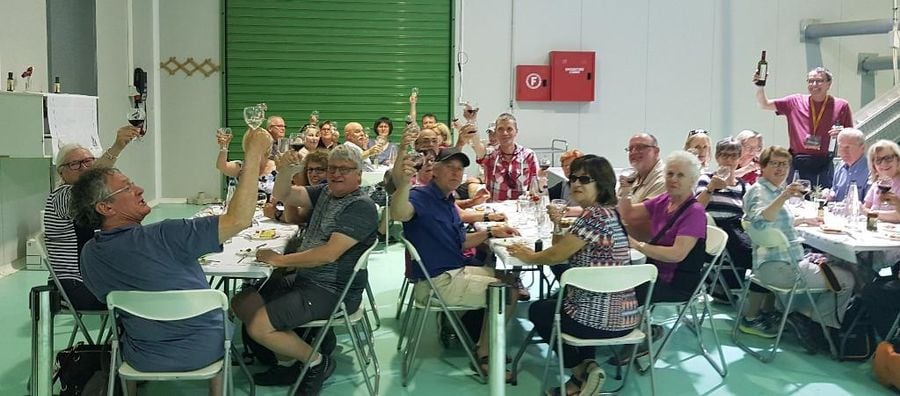
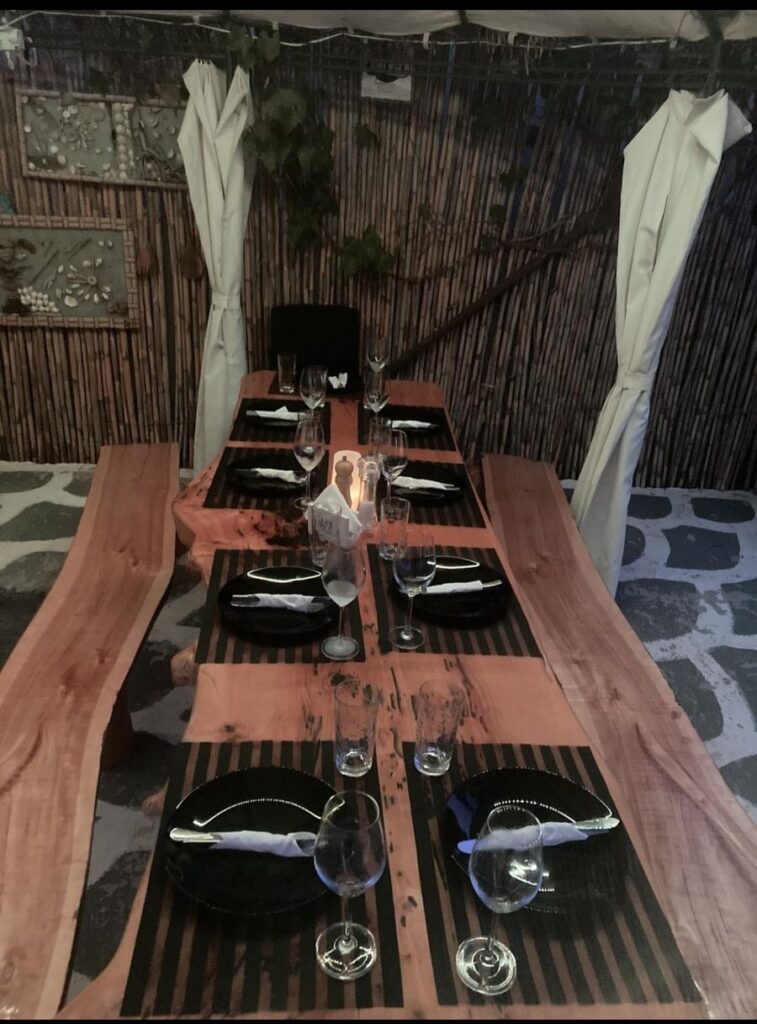
Visitors can enjoy olive oil tastings, farm visits, cooking classes, wine tours, and traditional meals prepared with local ingredients. From archaeological exploration in Mycenae to seaside dining in Nafplio, Argolis offers a complete journey through Greek culture.
Argolis is more than a destination—it is a living experience where history, gastronomy, and tradition come together. For travellers seeking authenticity in the Peloponnese, it provides an unforgettable exploration of Greece through its flavours, landscapes, and heritage.