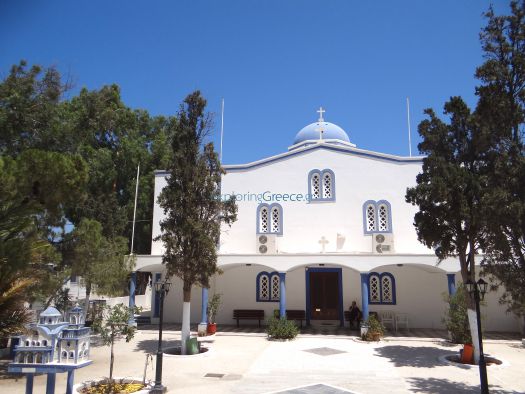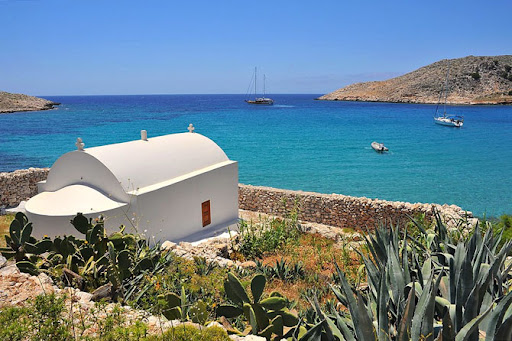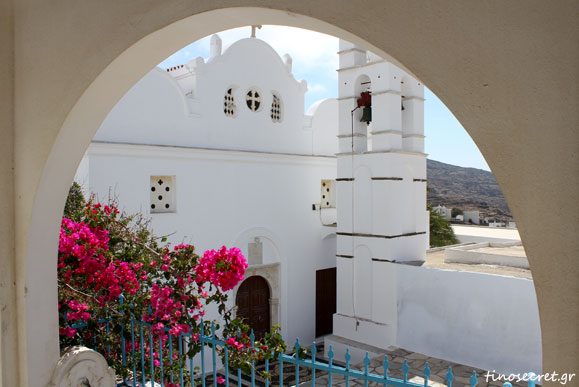
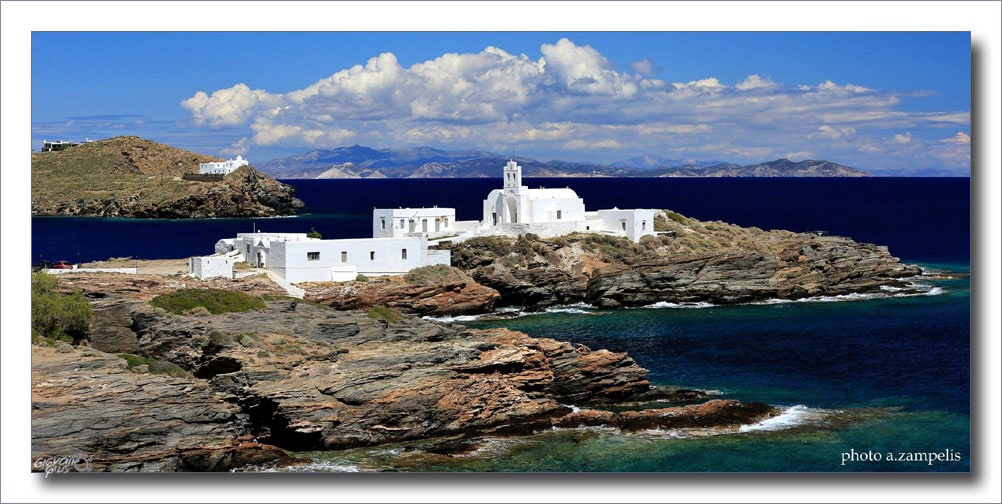
One of the most meaningful cultural and gastronomic experiences visitors can encounter during food tours in the Cyclades is the festival of Panagia of Chrisopigi in Sifnos — the island’s largest and most respected celebration, renowned throughout the Cyclades.
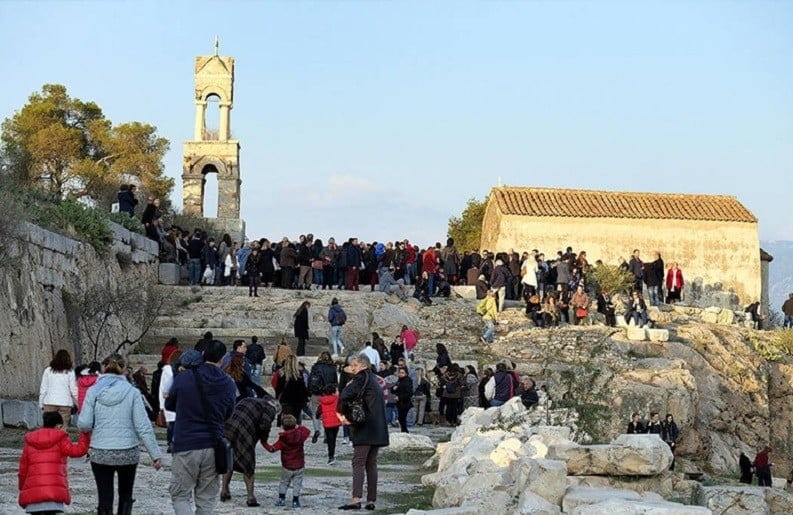
Every year on Ascension Day, locals and visitors dress in their finest clothing and gather at the sacred cliff of Chrisopigi to honour the Mother of Jesus. The celebration blends faith, community, music, and food, offering travellers a rare opportunity to witness living traditions that have remained largely unchanged for generations.
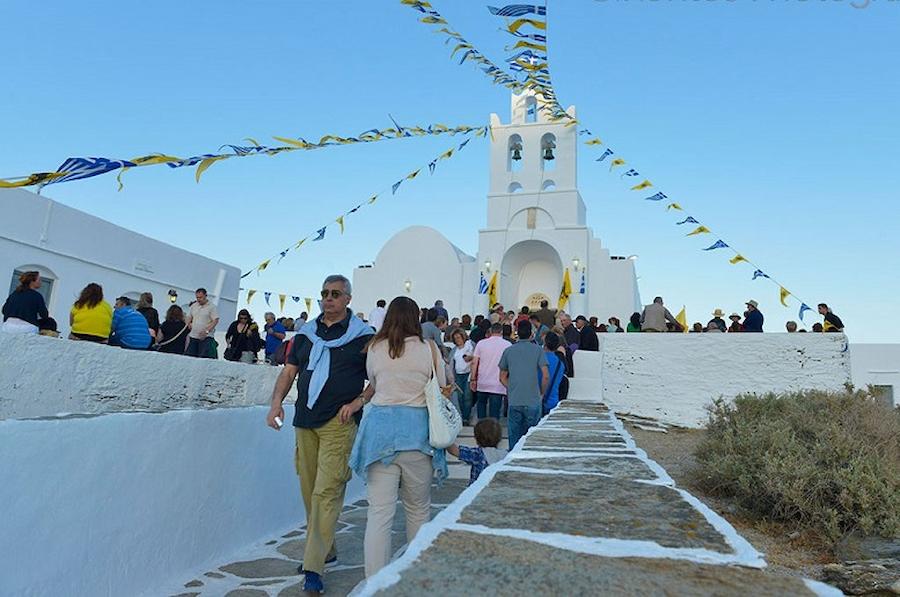
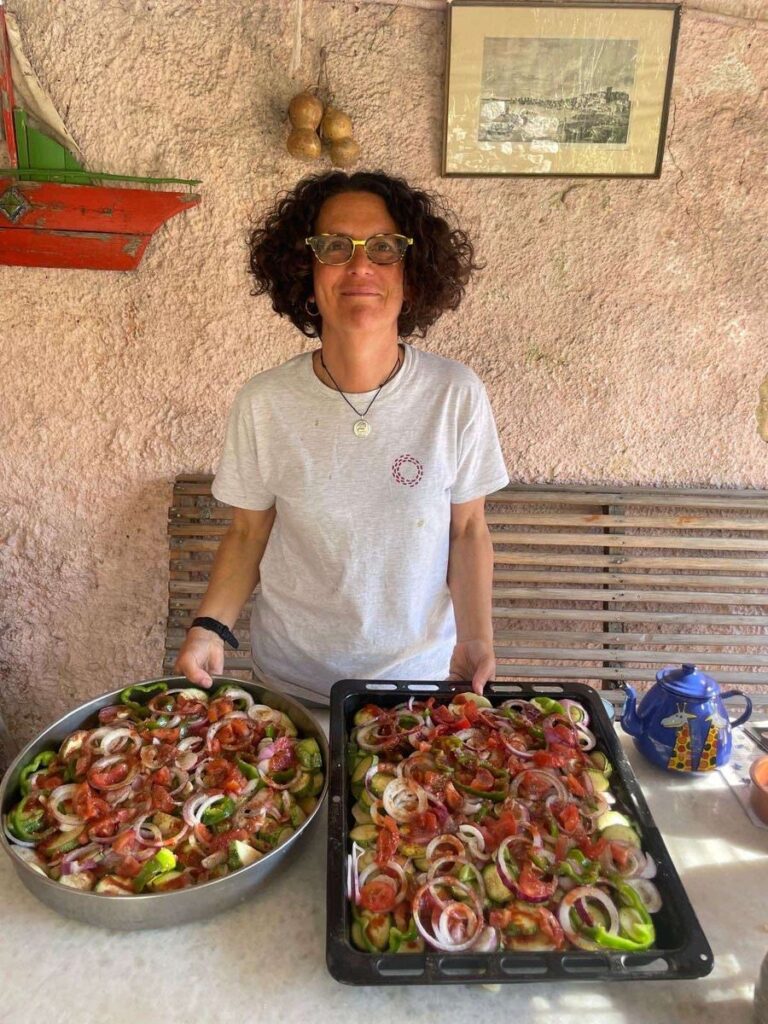
The day of the Chrisopigi festival begins with preparations across the island. Families cook together, large pots are filled with traditional recipes, and volunteers help organise seating, decorations, and food distribution. The atmosphere reflects a collective effort, where hospitality is not a service but a shared responsibility.
A unique aspect of the festival is the long‑standing role of the Panigiras, the festival organiser. The Panigiras undertakes all festival expenses and assumes responsibility for maintaining the church for an entire year — an act considered both an honour and a spiritual commitment. Traditionally, the holy icon is kept in the organiser’s home as a mark of respect; however, the icon of Chrisopigi remains at the parish church and is ceremonially transported by boat to the Panagia Chrisopigi church on the day of the celebration, accompanied by priests, chanting worshippers, and decorated vessels sailing along the coastline.
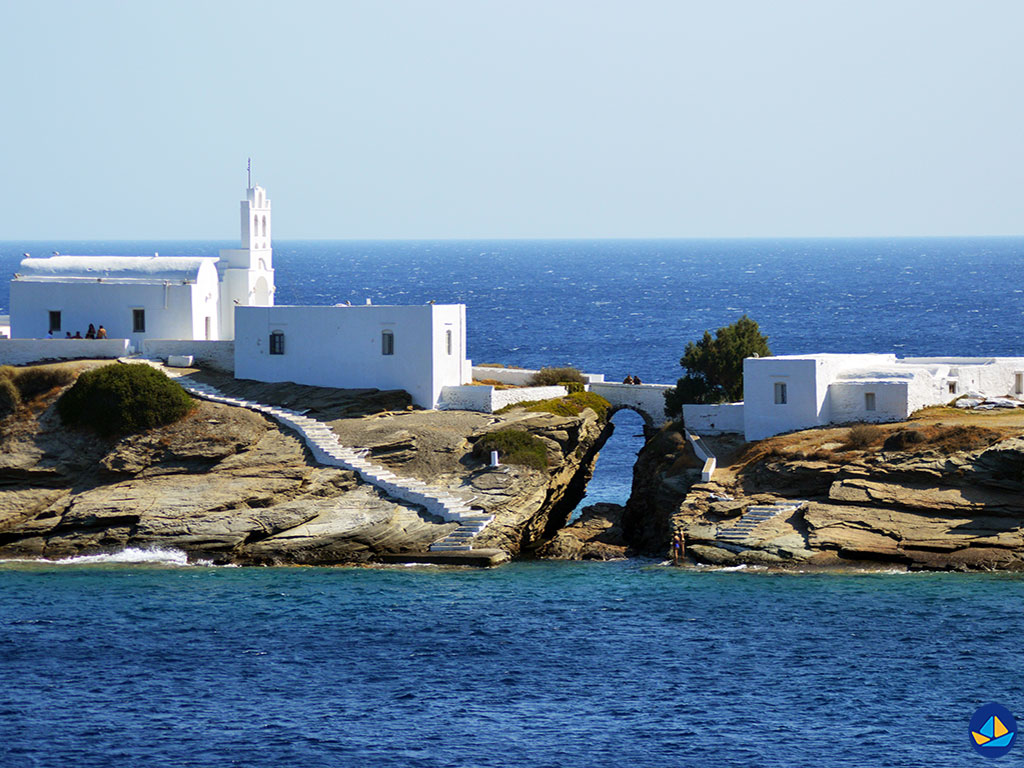
This maritime procession is one of the most emotional moments of the festival. Bells ring, hymns echo across the sea, and visitors witness a powerful expression of Cycladic identity where religion, landscape, and community merge.
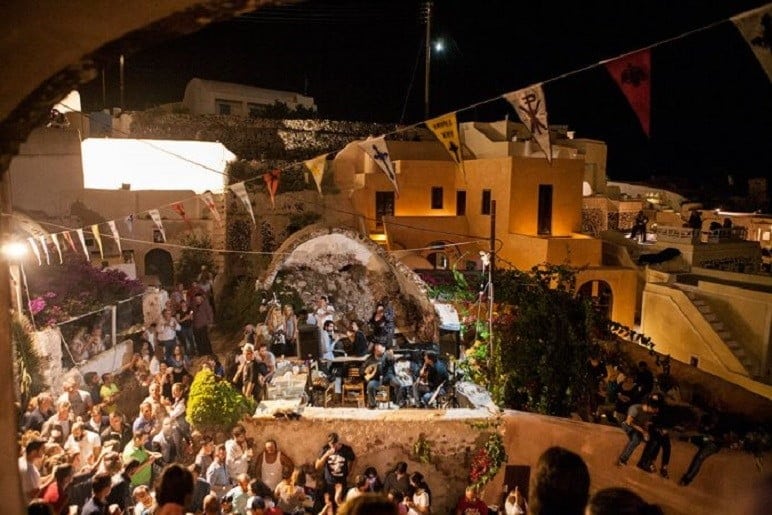
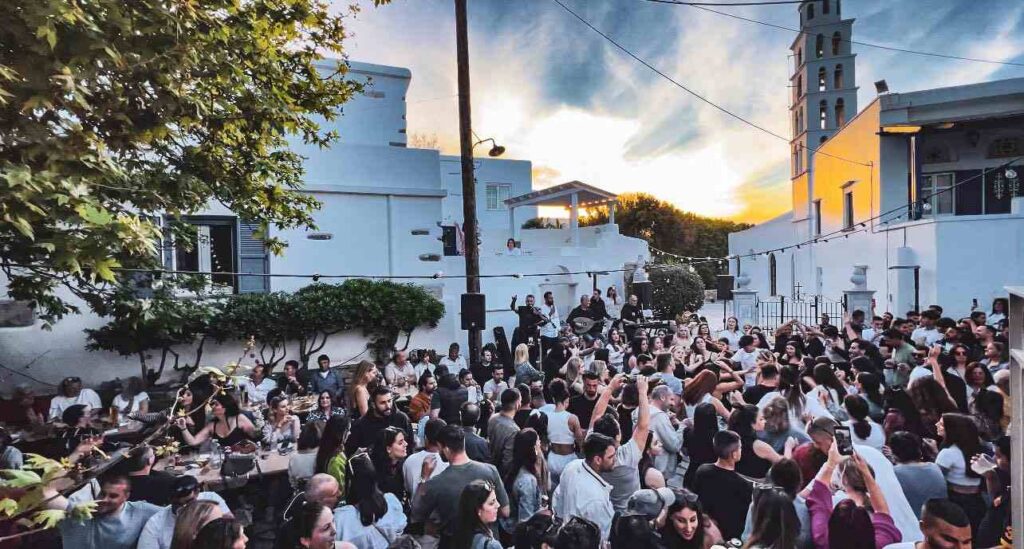
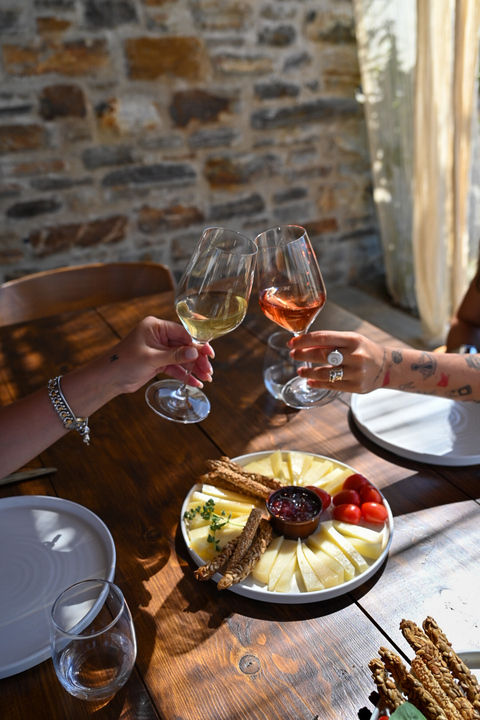
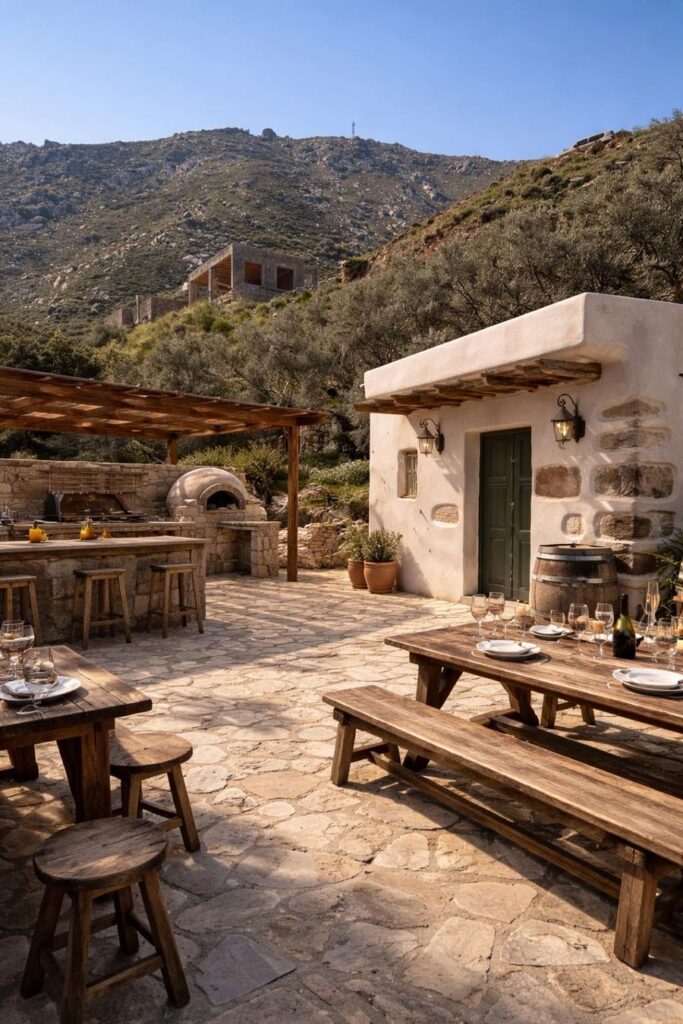
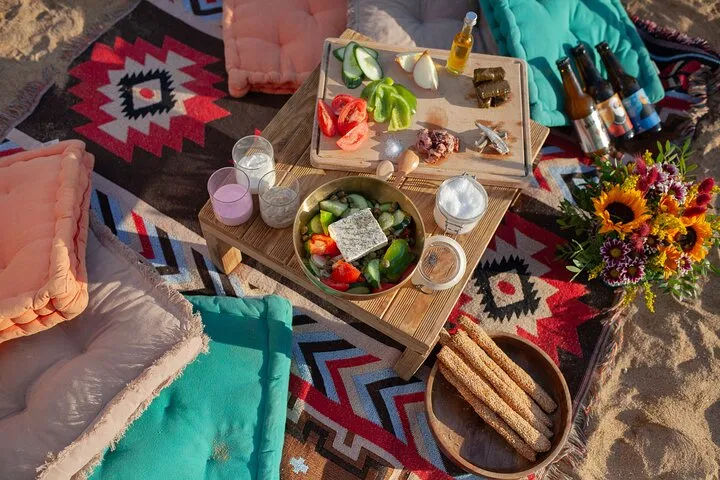
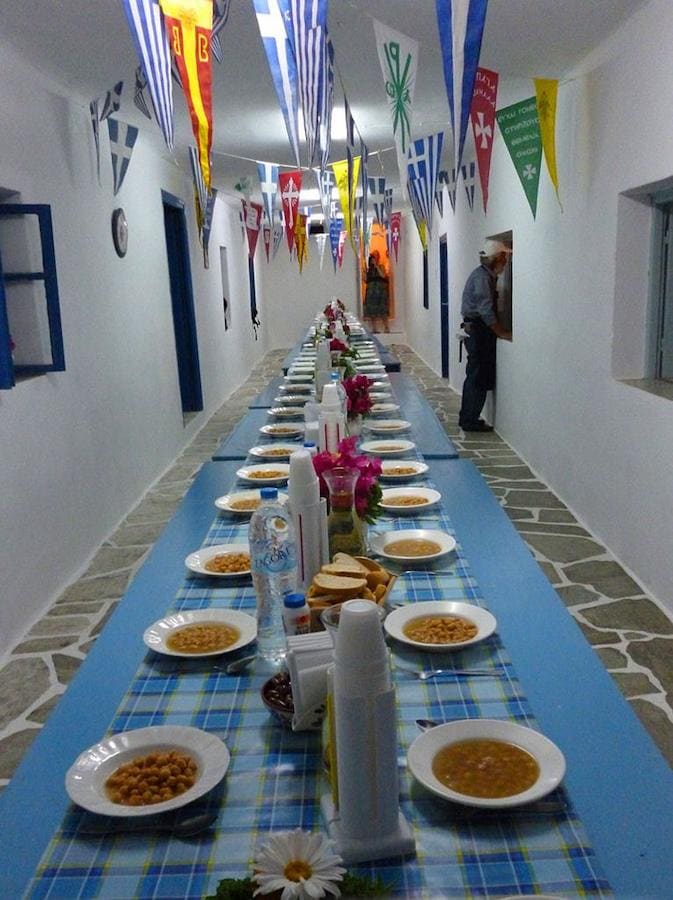
Vespers begin at 6:30 PM and are followed by a communal feast — a defining moment of Cycladic hospitality. Long tables are set outdoors, encouraging strangers and locals to dine side by side. Guests share traditional dishes such as revithada (slow‑baked chickpeas), olives, veal cooked in tomato sauce, and pasta, while local wine is served in characteristic terracotta jugs. The meal reflects the essence of Cycladic gastronomy: generosity, simplicity, and collective celebration.

Music, storytelling, and conversation continue late into the evening, transforming the religious gathering into a vibrant social celebration. For travellers participating in food tours, the festival becomes more than a culinary event; it is an immersive cultural experience revealing how food strengthens community bonds and preserves heritage.
Local Spirits and Traditional Drinks
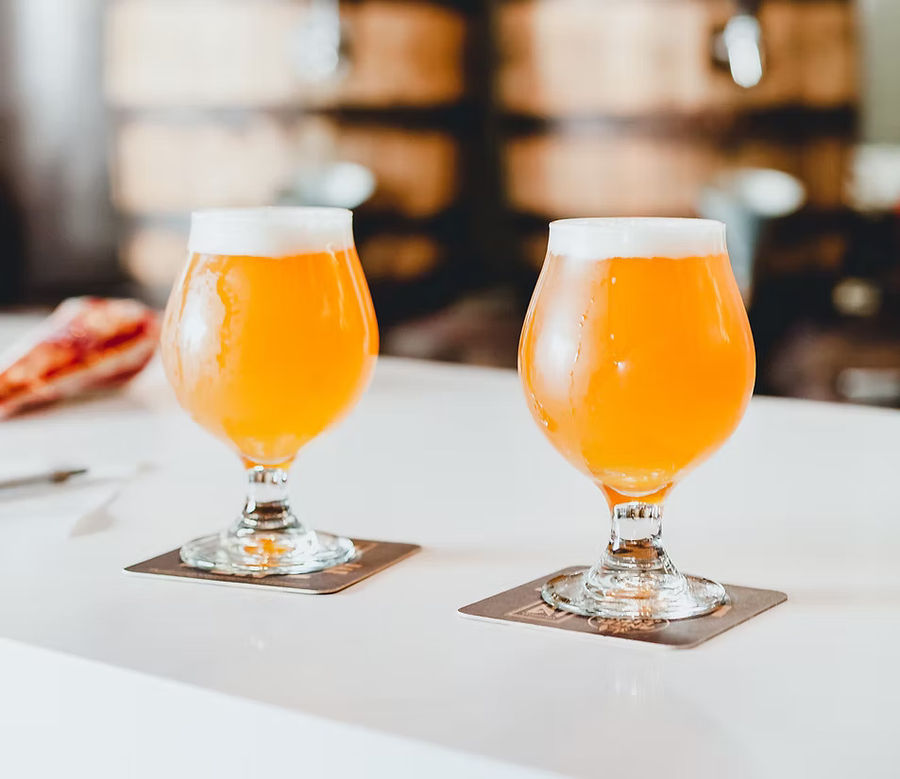
No exploration of Cycladic gastronomy is complete without tasting local spirits. Most islands produce their own version of raki, a strong distilled drink offered as a symbol of hospitality and friendship.
- Tinos’ raki is considered lighter and more refined.
- Amorgos is known for rakomelo, a comforting blend of raki and honey often served warm.
Food tours often include tastings of these beverages, allowing visitors to understand the social rituals of Greek dining and the importance of shared toasts in island life.
Food Tours and Sustainable Tourism
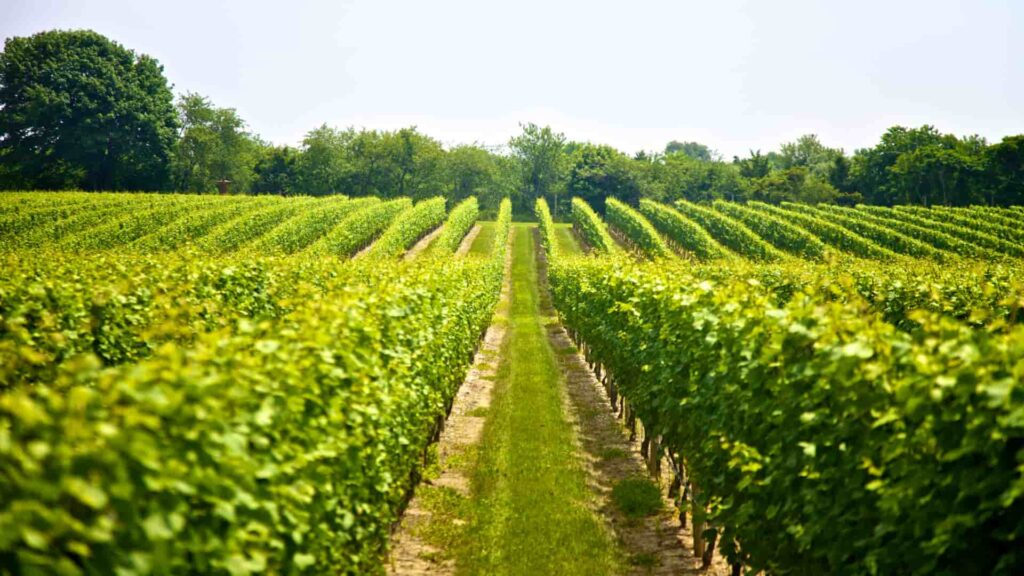
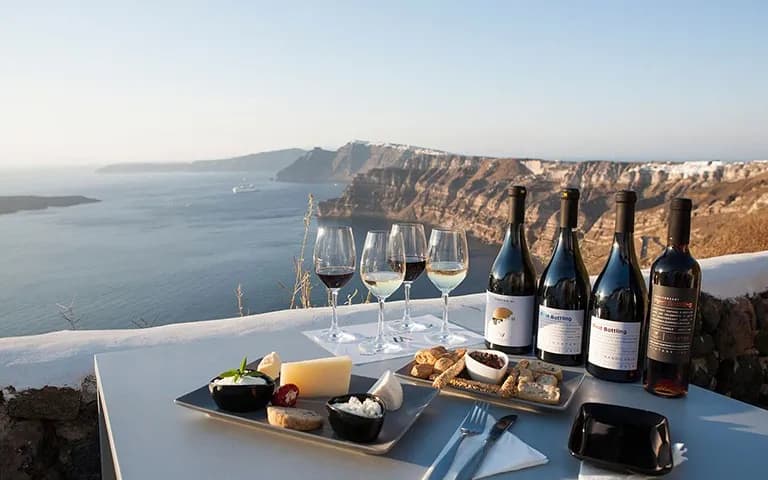
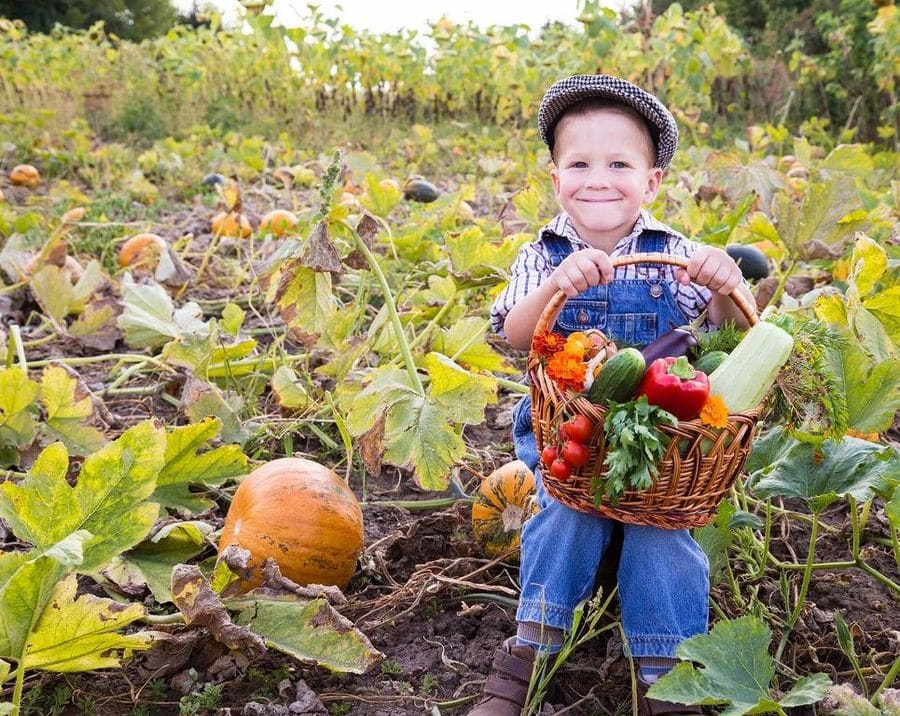
Modern travellers increasingly seek authentic and sustainable experiences. Food tours in the Cyclades support local economies and preserve culinary heritage through cooking classes, farm visits, wine tastings, and meetings with producers.
By choosing locally guided food tours, visitors contribute directly to island communities while gaining deeper insight into Greek culture beyond the typical tourist experience.
A Journey Remembered Through Taste
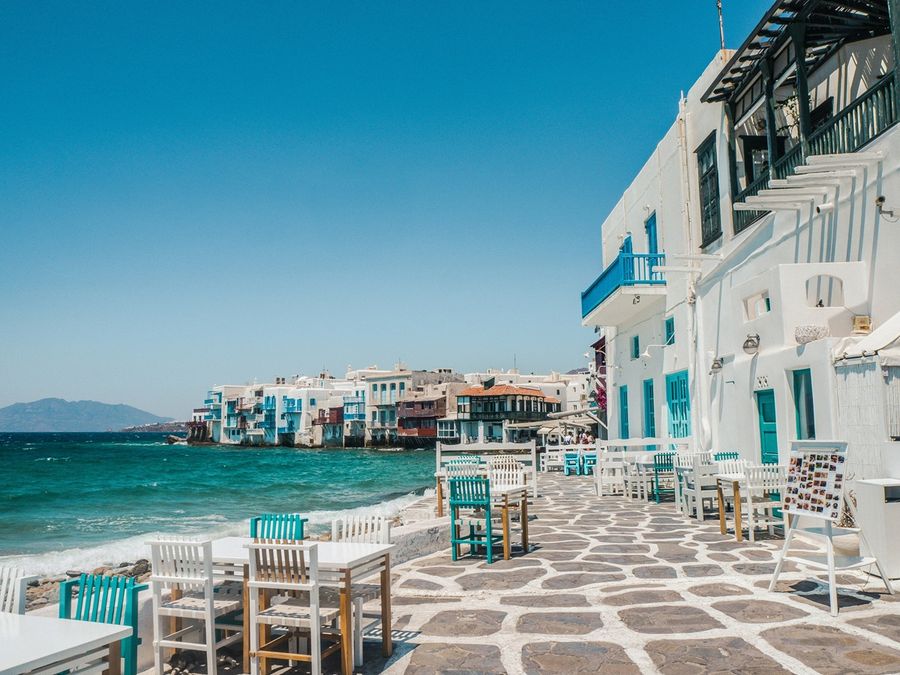
For international visitors, the Cyclades are more than a summer destination — they are a sensory journey shaped by flavours, aromas, and traditions. Through carefully curated food tours, travellers discover Greece not only through its landscapes but also through shared meals and cultural celebrations.
Ultimately, Cycladic gastronomy offers one of the most authentic ways to experience Greece: not just by seeing it, but by tasting it.
No exploration of Cycladic gastronomy is complete without tasting local spirits. Most islands produce their own version of raki, a strong distilled drink offered as a symbol of hospitality. Tinos’ raki is considered lighter and more refined. Amorgos is known for rakomelo, a comforting blend of raki and honey. Food tours frequently include tastings of these beverages, allowing visitors to understand the social rituals surrounding Greek dining culture. Food Tours and Sustainable Tourism Modern travelers increasingly seek authentic and sustainable experiences. Food tours in the Cyclades support local economies and preserve culinary heritage through cooking classes, farm visits, wine tastings, and meetings with producers. By choosing locally guided food tours, visitors contribute directly to island communities while gaining deeper insight into Greek culture beyond the typical tourist experience. A Journey Remembered Through Taste For international visitors, the Cyclades are more than a summer destination — they are a sensory journey shaped by flavors, aromas, and traditions. Through carefully curated food tours, travelers discover Greece not only through its landscapes but also through shared meals and cultural celebrations. Ultimately, Cycladic gastronomy offers one of the most authentic ways to experience Greece: not just by seeing it, but by tasting it.
For more about Sifnos gastronomy, click here.