






This website uses cookies so that we can provide you with the best user experience possible. Cookie information is stored in your browser and performs functions such as recognising you when you return to our website and helping our team to understand which sections of the website you find most interesting and useful.
Peloponnese Wine Tours
Peloponnese Wine Tours: A Guide to Greece’s Premier Wine Regions The Peloponnese is one of Greece’s most diverse and historically important wine…
Peloponnese Wine Tours: A Guide to Greece’s Premier Wine Regions
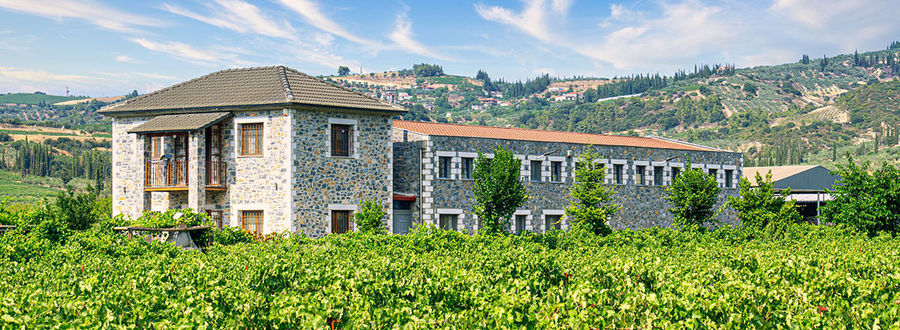
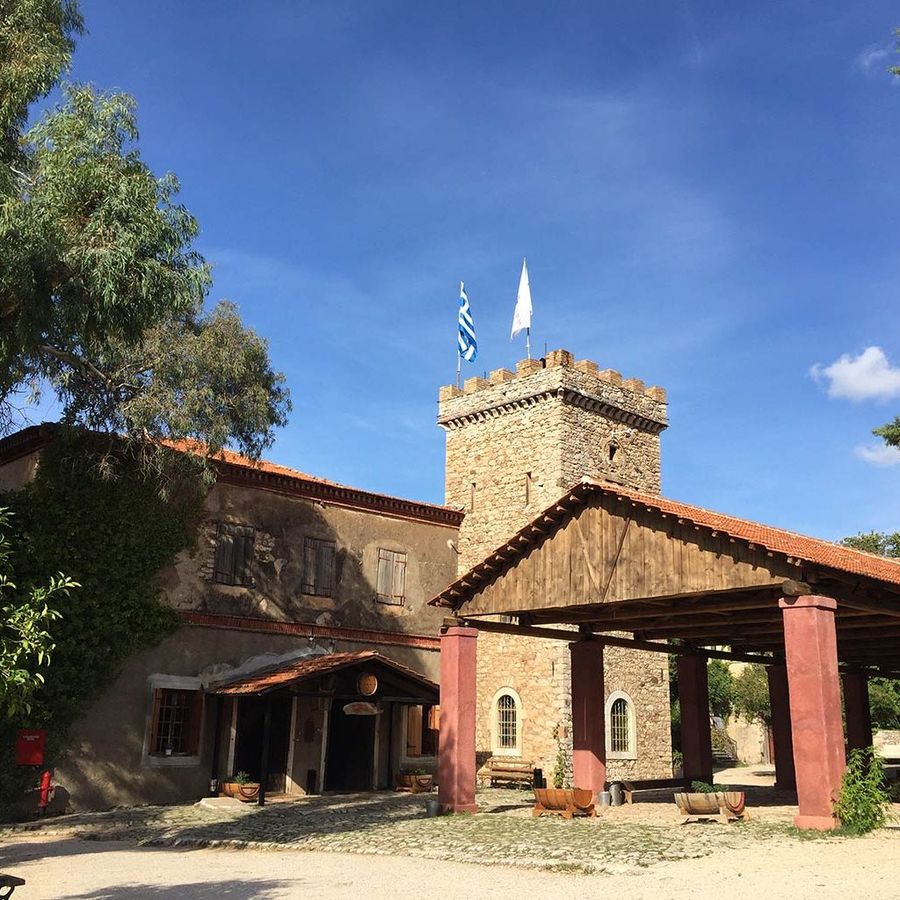
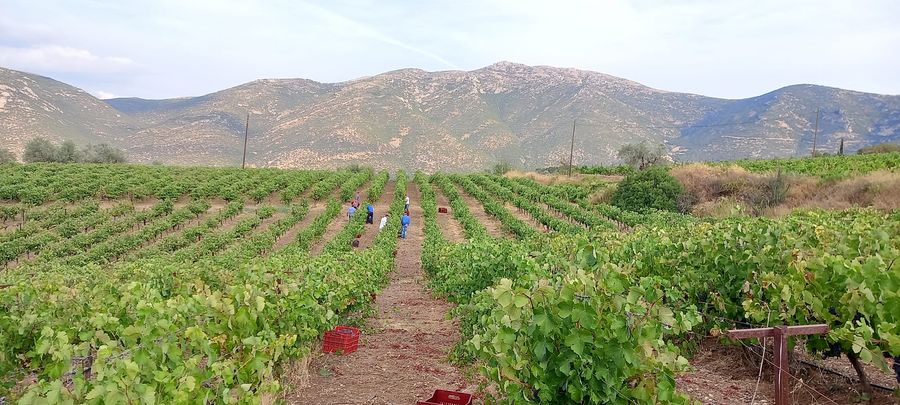
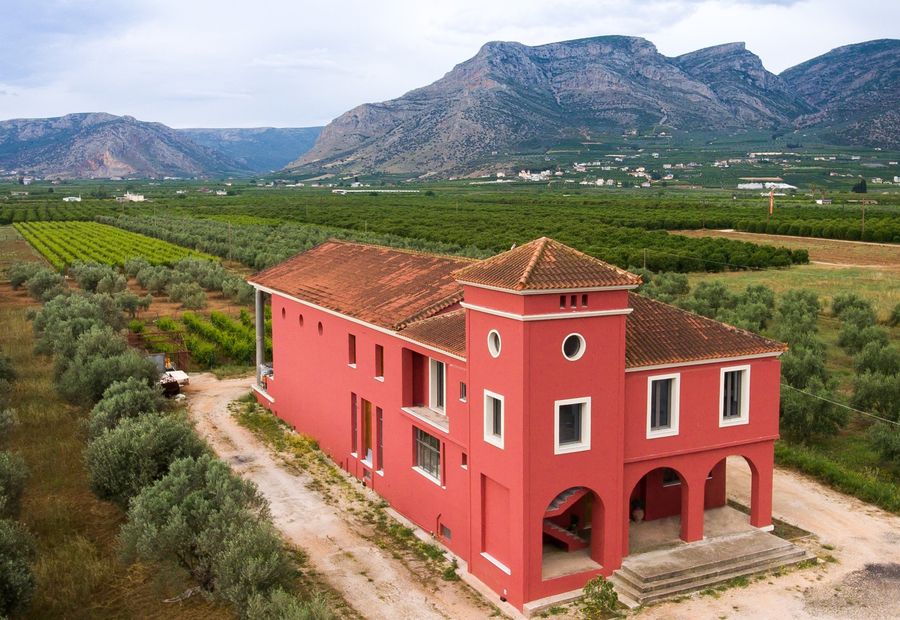
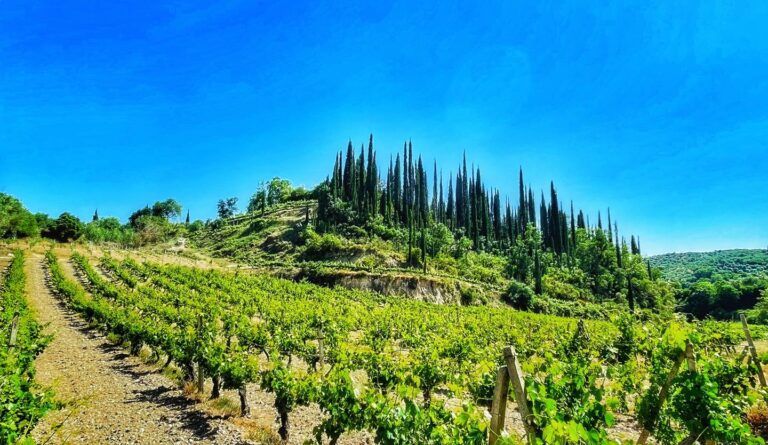
The Peloponnese is one of Greece’s most diverse and historically important wine regions, combining a wide range of altitudes, microclimates, and soils with a rich tradition of indigenous grape cultivation. From the high-altitude vineyards of Arcadia to the sun-drenched landscapes of Laconia and the maritime vineyards of the western Peloponnese, each area produces wines with a distinctive sense of place.
Rather than focusing on individual wineries, exploring the Peloponnese through Peloponnese Wine Tours and its major PDO (Protected Designation of Origin) and PGI (Protected Geographical Indication) zones offers a deeper understanding of the region’s wine identity. These appellations reflect the relationship between local grape varieties, climate, soils, and traditional winemaking practices.
1. Nemea – The Home of Agiorgitiko
PDO Nemea is one of Greece’s most important red-wine appellations and centres on the indigenous Agiorgitiko grape. The vineyards extend across different elevations, creating significant variations in climate and wine style.
- The Terroir: Valley vineyards feature fertile alluvial and clay soils, while higher elevations offer poorer, well-drained soils with significant limestone content.
- The Variety: Agiorgitiko is the defining grape of the appellation.
- The Profile: Lower-altitude vineyards tend to produce fresh, fruit-forward wines, while higher-elevation sites can produce deeper, more structured reds with vibrant acidity, firm tannins, and excellent ageing potential. Expect characteristic notes of sour cherry, dark berries, herbs, and sweet spices.
A Nemea wine tour is an excellent way to explore this diversity, with visits to vineyards and wineries offering insight into one of Greece’s most celebrated indigenous varieties.
2. Mantinia – The High-Altitude Home of Moschofilero
Located in the mountainous region of Arcadia, PDO Mantinia is known for its cool climate and high-altitude vineyards. The area’s conditions allow the aromatic Moschofilero grape to develop remarkable freshness and character.
- The Terroir: High-elevation vineyards feature cool temperatures and clay-rich soils, which contribute to slow, even grape ripening.
- The Variety: Moschofilero is the appellation’s signature grape.
- The Profile: Wines are typically aromatic, crisp, and refreshing, with expressive floral and citrus aromas. Common characteristics include rose petals, citrus blossom, herbs, and fresh fruit.
The region is also associated with elegant rosé wines and increasingly refined sparkling styles, making Mantinia wine tours a fascinating experience for lovers of aromatic Greek wines.
3. Aigialeia – Vineyards Between Mountain and Sea
The northern Peloponnese is home to the dramatic vineyards of Aigialeia, where steep slopes rise above the Corinthian Gulf. The combination of altitude, mountain breezes, and maritime influence creates an exceptional environment for white-wine production.
- The Terroir: Steep, often terraced vineyards sit at varying elevations, with limestone-rich and gravelly soils. Cool mountain air helps moderate temperatures during the growing season.
- The Varieties: Roditis is particularly important, alongside other indigenous Greek varieties.
- The Profile: Wines from the higher slopes can be fresh, elegant, mineral-driven, and highly gastronomic, with notes of citrus, green apple, herbs, and ripe pear.
The spectacular scenery makes Aigialeia wine tours particularly appealing, combining vineyard visits with panoramic views of the Corinthian Gulf.
4. Monemvasia – Reviving a Historic Wine Tradition
In southeastern Laconia, PDO Monemvasia-Malvasia represents the revival of a historic wine style associated with the medieval Mediterranean. The appellation is closely linked to the town of Monemvasia and the long history of Malvasia wines.
- The Terroir: A dry, sunny landscape influenced by the nearby Myrtoan Sea.
- The Varieties: Monemvasia is the principal grape, complemented by other permitted local varieties.
- The Profile: The appellation is particularly known for sweet, naturally concentrated wines made from sun-dried grapes. Expect aromas and flavours of dried fruit, honey, raisins, nuts, and warm spices, often complemented by extended ageing.
A Monemvasia wine experience offers a fascinating combination of wine, history, and landscape, connecting modern Greek winemaking with one of the Mediterranean’s most famous historical wine traditions.
5. Ilia and Messinia – The Western Peloponnese
The western Peloponnese, including Ilia and Messinia, benefits from a strong maritime influence from the Ionian Sea. The region’s warmer climate and greater rainfall create conditions suitable for both indigenous and international grape varieties.
- The Terroir: Coastal and inland vineyards feature a range of fertile soils, including sandy, clay, and loamy formations.
- The Varieties: Indigenous grapes such as Avgoustiatis are cultivated alongside international varieties including Chardonnay, Syrah, and Cabernet Sauvignon.
- The Profile: Wines from the western Peloponnese can be generous and fruit-driven, with soft tannins and ripe fruit characteristics. Whites may combine ripe fruit with freshness and subtle coastal influences.
The region offers a broader perspective on modern Greek wine, where indigenous varieties and international grapes are interpreted through the distinctive climate and landscapes of western Greece.
Discover the Peloponnese Through Wine
From the structured reds of Nemea and the aromatic whites of Mantinia to the mountain vineyards of Aigialeia and the historic wines of Monemvasia, the Peloponnese offers remarkable diversity in a relatively compact part of Greece.
Exploring these wine regions is not simply about tasting wine. It is a journey through Greek landscapes, indigenous grape varieties, local traditions, and centuries of winemaking heritage.
For wine lovers, a Peloponnese wine tour is one of the best ways to experience the region—from vineyard to glass and from ancient history to contemporary Greek winemaking.