
Discover Thrace at the Crossroads of Sea and Land
Alexandroupolis, one of Greece’s newest cities, stands proudly at a geographical crossroads where Europe meets Asia. Built along the Thracian Sea near the mouth of the Evros River, the city began as a modest fishing village in the mid-19th century and has grown into the largest urban centre of Thrace. Today, Alexandroupolis food tours reveal a destination shaped by maritime traditions, agricultural abundance, and multicultural influences that define its unique gastronomic identity.
Combining coastal heritage with rural craftsmanship, Alexandroupoli offers visitors an authentic culinary journey rooted in local production, seasonal ingredients, and long-preserved traditions.
Discovering Alexandroupolis Through Food Tours
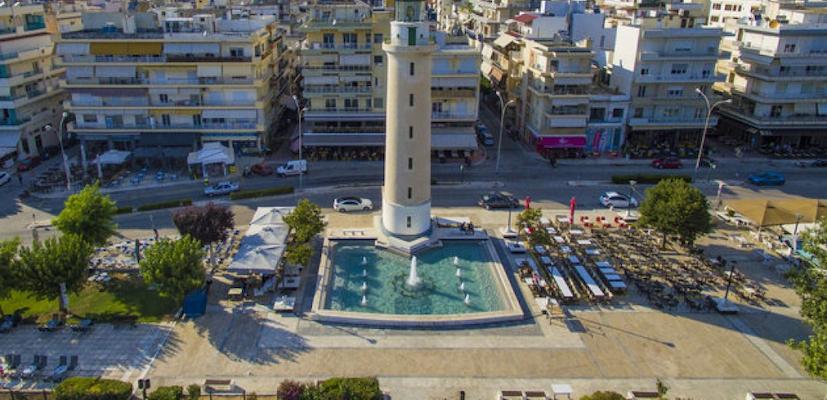
Alexandroupolis food tours invite travellers to experience the city beyond sightseeing by connecting directly with its culinary culture. Experiences often begin near the city’s iconic Lighthouse — a cultural heritage monument that has operated since 1880 to guide ships through the Hellespont — symbolising the city’s historic connection to trade and travel.
From the harbour area to nearby villages, food tours introduce participants to local producers and traditional practices that reflect Thrace’s rich cultural mosaic. Visitors explore how geography, migration, and agricultural life have shaped the region’s flavours.
Rather than focusing solely on tasting, these tours emphasise storytelling, ingredient origins, and hands-on experiences in food production and preparation.
The Bounty of the Thracian Sea
A defining element of Alexandroupolis’ food tours is the city’s close relationship with the sea. The waters around Alexandroupoli and the Evros delta are exceptionally rich in marine life, supporting local communities for generations.
Visitors learn about traditional fishing culture and the seasonal rhythms that influence local cuisine. Seafood remains central to the region’s gastronomy, often prepared simply to preserve freshness and natural flavour.
Among the most characteristic specialities introduced during food tours is fried vato, a fish similar to skate, traditionally paired with skordalia. The variety of fish appetisers found in the region reflects the biodiversity of the Thracian Sea and highlights the importance of sustainable fishing traditions.
Meat Traditions and Local Craftsmanship
Alongside seafood, Alexandroupolis food tours showcase Thrace’s strong heritage of livestock farming and meat processing. The surrounding countryside supports local producers dedicated to traditional curing and preservation methods passed down through generations.
One of the region’s most famous products is kavourma, slow-cooked preserved meat flavoured with spices and stored in its own fat. Through producer visits and demonstrations, travellers discover how preservation techniques developed as practical solutions before refrigeration and became beloved culinary traditions.
Local sausages and cured meats further demonstrate the blending of Balkan, Anatolian, and Greek influences that characterise Thracian cuisine.
Olive Oil Heritage of Makri
No Alexandroupoli food tour is complete without exploring the historic olive groves of Makri, located just outside the city. These centuries-old groves produce one of the region’s most important local products: high-quality olive oil.
Visitors gain insight into olive cultivation, harvesting, and cold-press extraction processes while learning how olive oil forms the foundation of local cooking. Tastings reveal how its flavour enhances both seafood and meat dishes, connecting agriculture directly with gastronomy.
Meeting producers offers a deeper understanding of sustainable farming practices and the cultural importance of olive cultivation in Thrace.
Traditional Dishes of Alexandroupolis
Alexandroupoli food tours introduce visitors to recipes that reflect the region’s culinary soul. Many dishes reflect pastoral traditions, seasonal cooking, and festive customs still practised today.
Signature specialities include:
- Lahania, slow-cooked young goat, lamb, or beef with cabbage, tomatoes, and red hot pepper.
- Tzigerosarmas, rice and lamb liver wrapped in lamb caul fat are traditionally prepared during Easter celebrations.
- Kavourma with eggs is a comforting dish highlighting preserved meat flavours.
- Local pita varieties are prepared using regional ingredients and traditional baking methods.
These dishes demonstrate how Thracian cuisine balances simplicity with deep flavour, relying on quality ingredients and time-honoured techniques.
Local Products and Agricultural Richness
Beyond prepared dishes, Alexandroupoli food tours emphasise the region’s agricultural diversity. Visitors encounter handmade gioufkades pasta, traditional dairy products, and locally raised meats that reflect the fertile landscapes surrounding the city.
The connection between producers and cuisine remains strong, with small-scale farming and artisanal production continuing to shape everyday life. Food tours highlight how local communities preserve culinary heritage while adapting to modern practices.
A Cultural Crossroads on the Plate
Alexandroupoli’s position between continents has created a cuisine influenced by multiple cultures yet firmly rooted in local tradition. Flavours carry traces of Asia Minor, Balkan, and Greek culinary heritage, forming a distinctive gastronomic identity unique to Thrace.
Through Alexandroupoli food tours, visitors discover how food becomes a living record of history — telling stories of migration, trade, and cultural exchange.
Experience Alexandroupolis Food Tours
Alexandroupoli food tours offer an immersive way to explore one of Greece’s most fascinating regions. Travellers can expect:
- Visits to local producers and agricultural sites
- Insight into fishing and coastal traditions
- Experiences connected to meat preservation and olive oil production
- Discovery of authentic Thracian dishes and ingredients
- Cultural storytelling linking gastronomy with history and landscape
Alexandroupoli may be a relatively modern city, but its culinary traditions run deep. Through its food tours, visitors experience a destination where sea and land unite, traditions endure, and every flavour reflects the authentic spirit of Thrace.