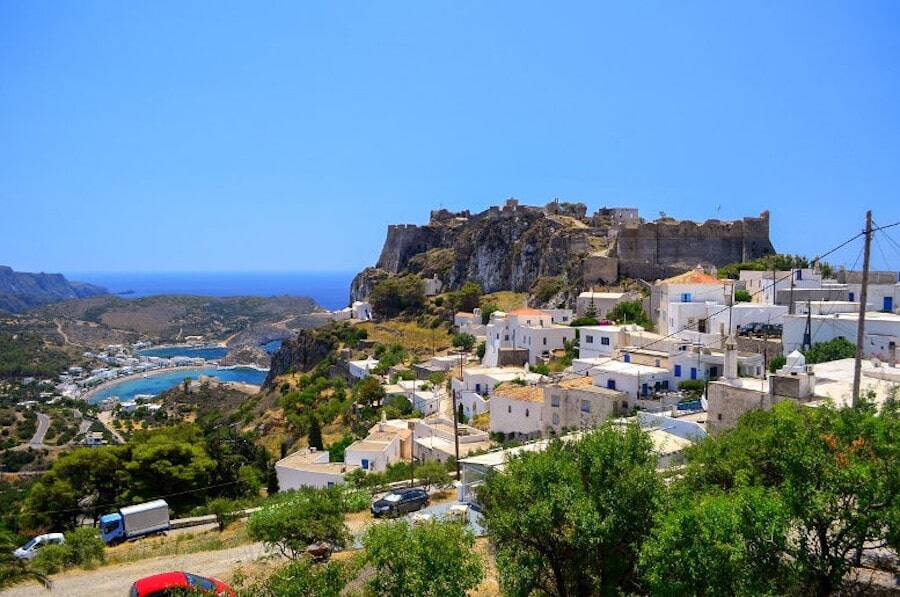
Kythera, where the Aegean, Ionian, and Cretan seas converge, captivates visitors with its stunning natural beauty, rich history, and warm hospitality. The island’s traditional villages, with their whitewashed houses and charming alleys, offer breathtaking views over rugged landscapes and endless blue horizons. Its beaches—ranging from golden sands to hidden coves—feature crystal-clear waters in shades of deep blue and emerald, appealing to every kind of traveller.
Ecclesiastical tourism highlights Kythera’s strong Byzantine heritage, with historic monasteries and chapels scattered across the island, while alternative tourism opportunities make it an ideal destination for hiking, water sports, and cave exploration. This diversity creates a well-rounded experience that blends relaxation with discovery.
Kythera has been inhabited since at least the end of the 6th century BCE. According to the Theogony of Hesiod, the island is closely linked to Aphrodite, who was said to have been born from the sea foam near its shores. Worshipped here as Aphrodite Ourania, she symbolised pure love and beauty, and Kythera became one of her most important sanctuaries in antiquity.
From ancient times until the mid-19th century, Kythera served as a strategic crossroads for merchants, sailors, and conquerors. Over the centuries, it came under the influence of various civilisations, most notably the Venetians, whose presence left a lasting imprint on the island’s architecture and culture. This rich historical layering is reflected in Kythera’s unique blend of Aegean simplicity and Venetian elegance, visible in its fortresses, villages, and local traditions.
What Makes Kythera a Unique Culinary Destination
Mythological & Cultural Crossroads
Kythera has long been a meeting point between regions and cultures. Venetian, Byzantine, and local traditions have all influenced its cuisine, creating a distinctive culinary identity.
Fertile Land & Rich Produce
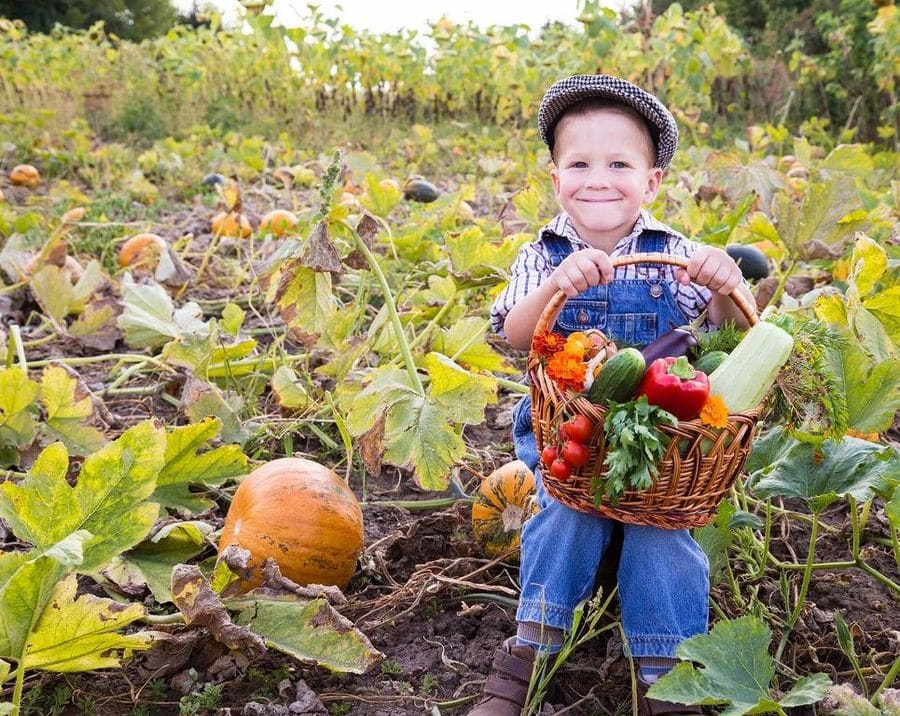
Unlike more arid islands, Kythera offers fertile soil that produces olive oil, honey, vegetables, and fruits, all essential to its gastronomy.
Slow Living & Authenticity
Life on Kythera moves at a gentle pace, and its food reflects this rhythm—seasonal, homemade, and rooted in tradition.
Local Highlights & Gastronomic Treasures
Kytherian Honey & Sweets
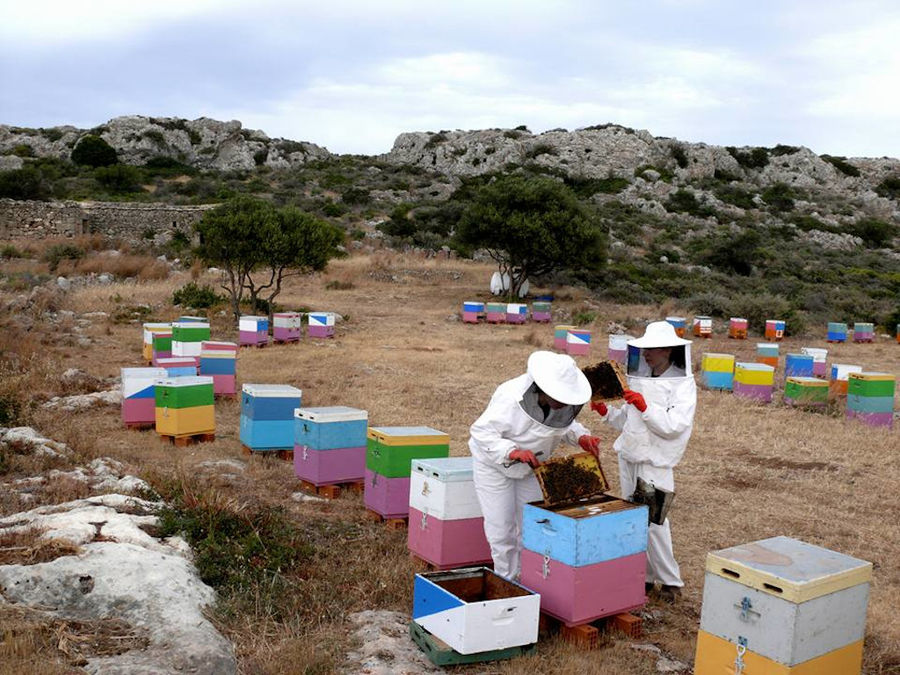
Thyme honey is one of the island’s most celebrated products. It is used in traditional desserts such as pasteli and the famous “xerotigana,” fried pastry drizzled with honey and cinnamon.
Olive Oil & Local Produce
High-quality olive oil is a cornerstone of Kytherian cuisine, enhancing vegetables, legumes, and simple everyday dishes.
Traditional Pies & Rustic Dishes
Homemade pies filled with greens, cheese, or pumpkin are common, along with slow-cooked dishes that highlight local herbs and seasonal ingredients.
Seafood & Coastal Flavours
Fresh fish, octopus, and shellfish are prepared simply—grilled or cooked with olive oil and lemon—celebrating the island’s connection to the sea.
Rusks & Paximadia
Traditional barley rusks accompany meals and are often combined with tomatoes, olive oil, and cheese in simple yet satisfying dishes.
Local Liqueurs & Tsipouro
Kythera produces small-batch liqueurs and tsipouro, often infused with herbs or fruit, that are enjoyed alongside meze.
A Destination Beyond the Plate
Kythera is a place of striking contrasts—waterfalls, hidden beaches, traditional villages, and Venetian castles create a landscape full of discovery. The island’s capital, Chora, features whitewashed houses and narrow alleys overlooking the sea, while inland villages preserve a slower, more traditional way of life.
Visitors can explore natural wonders such as the waterfalls of Mylopotamos, hike scenic trails, and visit historic monasteries and fortresses. The island’s peaceful atmosphere makes it ideal for travellers seeking authenticity and connection with nature.
Explore Our Kythera Gastronomy Tours
Gastronomy Tours invites you to experience the island through its flavours and traditions. Taste local honey and olive oil, enjoy meals in village tavernas, and discover recipes passed down through generations.
From cooking experiences and farm visits to seaside dining and local tastings, each moment reveals the essence of Kytherian life—simple, genuine, and deeply connected to the land.
Here, gastronomy is not just about taste—it is a celebration of myth, nature, and timeless island hospitality.
Photo: sunvil.co.uk