The Custom of “Makaronas” in Agapi, Tinos: A Living Tradition of Carnival, Community, and Renewal
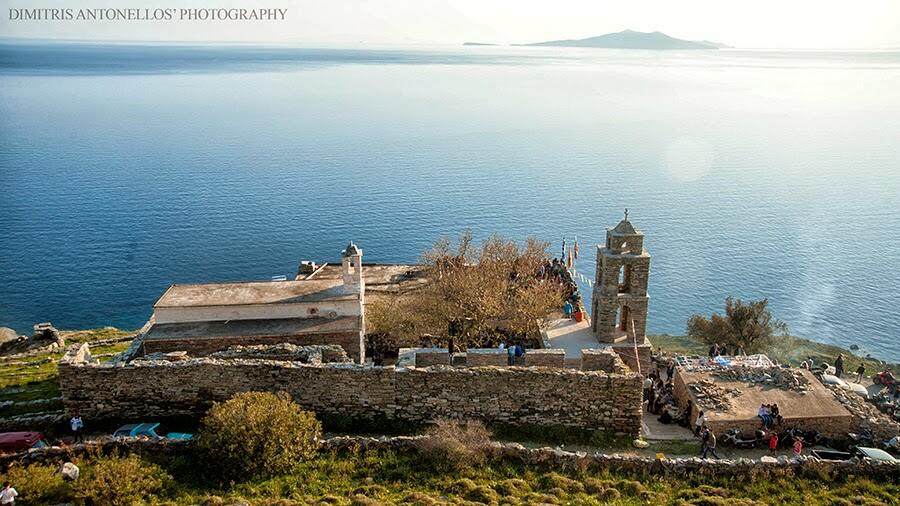
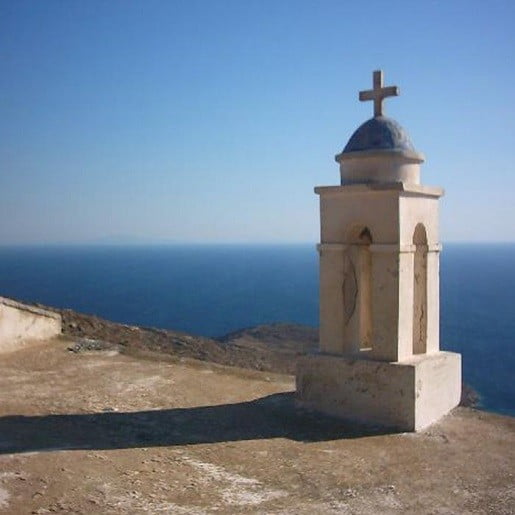
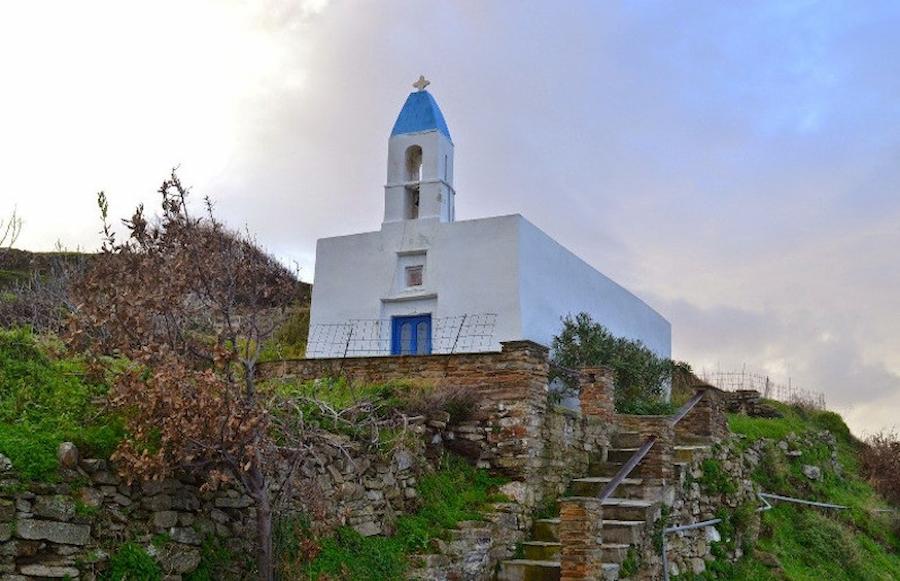
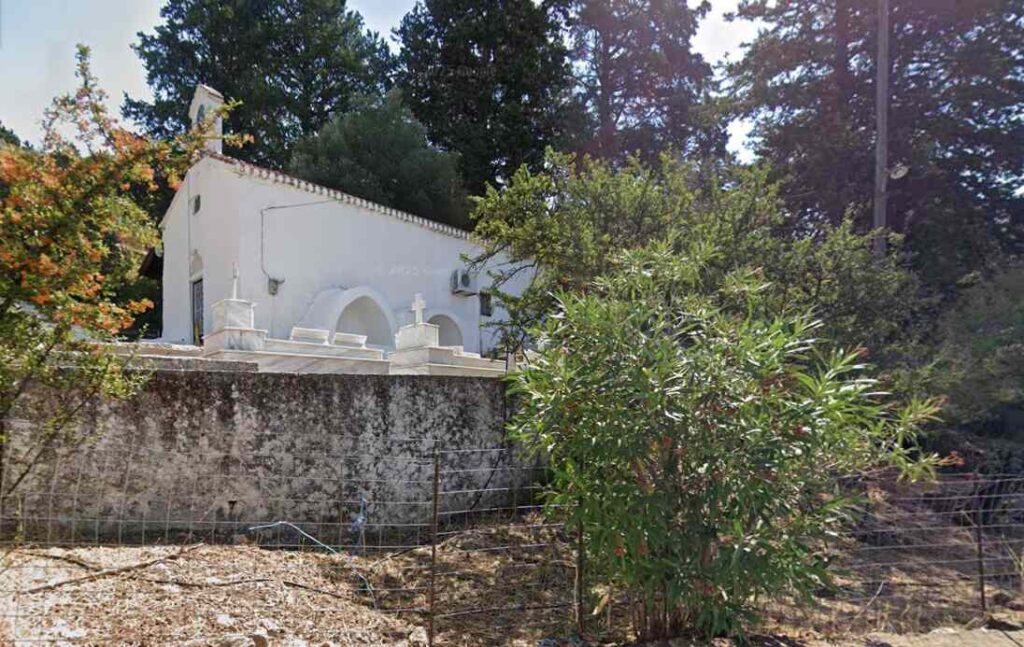
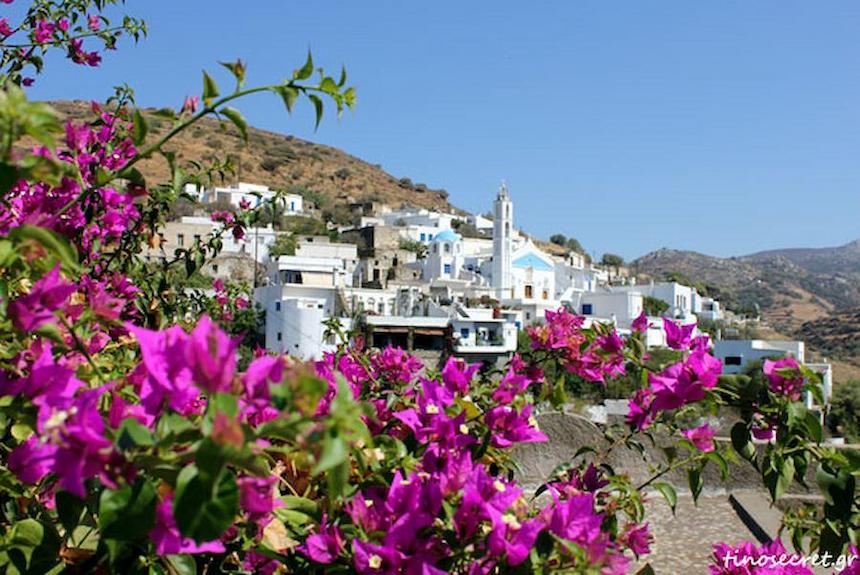
High on the slopes of Tinos, the village of Agapi—whose name means “love”—stands as one of the island’s most architecturally enchanting settlements. Perched on a mountainside, Agapi is framed by verdant ravines, picturesque stone bridges, and numerous dovecotes that testify to Tinos’ long dovecote-building tradition. Its cobblestone streets, narrow alleys, superb arches, traditional houses with elaborate lintels, and old water wells create an atmosphere that feels timeless and deeply Cycladic. Nearby, in the area of Griza, lies the village’s delightful church dedicated to Saint Agapitos, further enriching its cultural landscape.
Among Agapi’s most treasured traditions is the custom of “Makaronas” (Pasta lover) celebrated each year on the last Sunday of Carnival. This event—joyful, symbolic, and uniquely local—brings the community together in a ritual that blends theatre, tradition, and shared celebration.
The Ritual of the Makaronas
On Carnival Sunday, villagers construct a straw dummy: the Makaronas. To the sound of stylised lamentation songs, the straw effigy is carried through Agapi’s labyrinth of alleys. The procession is both humorous and ceremonial, a theatrical “mourning” that captures the spirit of Apokries—a time when the boundaries between solemnity and satire blur.
The parade eventually reaches the central square, where the straw figure is set ablaze. The burning of the Makaronas symbolises the ending of winter, the release of negativity, and the farewell to the old before entering the contemplative period of Lent. It is at once a cathartic act and a communal affirmation of renewal.
A Feast Rooted in Tradition
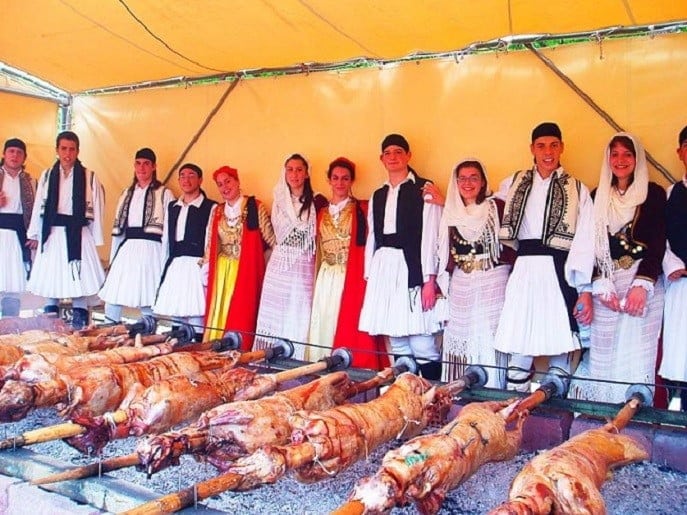
With the ritual completed, villagers and visitors gather in the parish hall, where they share the traditional pasta dish—the makaronada—after which the custom is named. This communal meal is the emotional heart of the celebration, turning the symbolic “death” of the effigy into an occasion of togetherness, nourishment, and joy.
The feast also highlights the rich flavours of Tinos’ culinary heritage. The island is famous for dishes such as:
- Artichokes in countless preparations
- Sun-dried tomatoes dipped in batter
- Froutalia, a hearty Cycladic omelette
- Savore with molasses
- Fried fish with petimezi sauce
- Pork sausages, including the aromatic saltsisi
- Louza, Tinos’ beloved cured pork
Tinos also prides itself on its cheeses, especially the famed Graviera and spicy, creamy Kopanisti. For sweets, visitors savour amygdalota, xerotigana, karidota, pasteli, loukoumi, and various types of halva, all often enjoyed with the island’s renowned thyme honey.
Symbolism, Identity, and Community
The Custom of Makaronas is more than a festive spectacle; it is a ritual of purification, renewal, and communal unity. The combination of mock mourning, fire, procession, and shared food echoes ancient seasonal rites and underscores Tinos’ deep-rooted folk traditions.
For Agapi, the custom strengthens social bonds and preserves a heritage that might otherwise be lost to time. It is a celebration created by the villagers for the villagers, yet it warmly welcomes anyone who wishes to experience an authentic moment of Tinos’ cultural soul.
A Tradition That Lives Through Its People
Against the backdrop of Agapi’s mesmerising architecture and natural beauty, the Custom of Makaronas stands as a living testament to the village’s identity. It is a ritual shaped by history, carried by community, and kept vibrant through collective devotion.
In Agapi, tradition is not merely remembered—it is enacted, celebrated, and lovingly passed from one generation to the next. The Makaronas custom, with its blend of symbolism, humour, and shared food, remains one of Tinos’ most heartfelt expressions of culture and community.
Photo: tinosecret.gr