
A Traditional Taste of Greece Every Traveler Should Try
Trahana is one of the oldest and most authentic foods in Greek cuisine, offering travellers a unique way to experience the country’s culinary heritage. This humble yet nutritious staple has been enjoyed for centuries across Greece and the Eastern Mediterranean, nourishing countless generations and preserving local traditions.
For visitors seeking authentic Greek food experiences beyond well-known dishes, trahana is a must-try taste of rural Greece.
What Is Trahana?
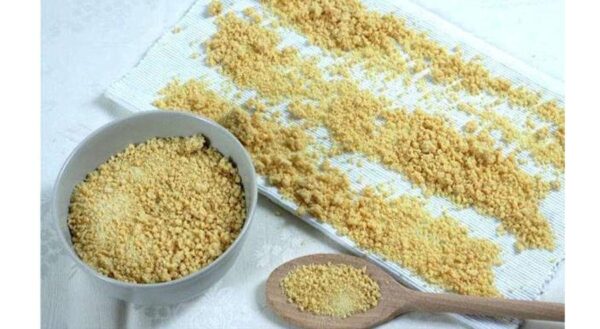
Trahana is a traditional grain-based food made from flour or semolina mixed with milk or yoghurt. The mixture is fermented, dried, and crumbled into small, irregular grains, creating a product that resembles tiny pasta or couscous.
Historically, trahana was developed as a smart method to preserve milk, long before modern refrigeration. This made it an essential pantry staple in Greek households, especially in rural and mountainous regions.
Types of Greek Trahana
Trahana comes in several varieties, each with distinct flavours and textures:
Sour Trahana
Sour trahana is made with fermented or sour milk. It has a tangy, complex taste and is particularly popular in northern Greece.
Sweet Trahana
Sweet trahana is prepared with fresh milk and has a milder, creamier flavour, making it appealing to a wide range of palates.
Coarse or Fine Granulation
Depending on the region, trahana can be coarsely or finely granulated, influencing its texture and how it is used in cooking.
How Trahana Is Cooked and Served
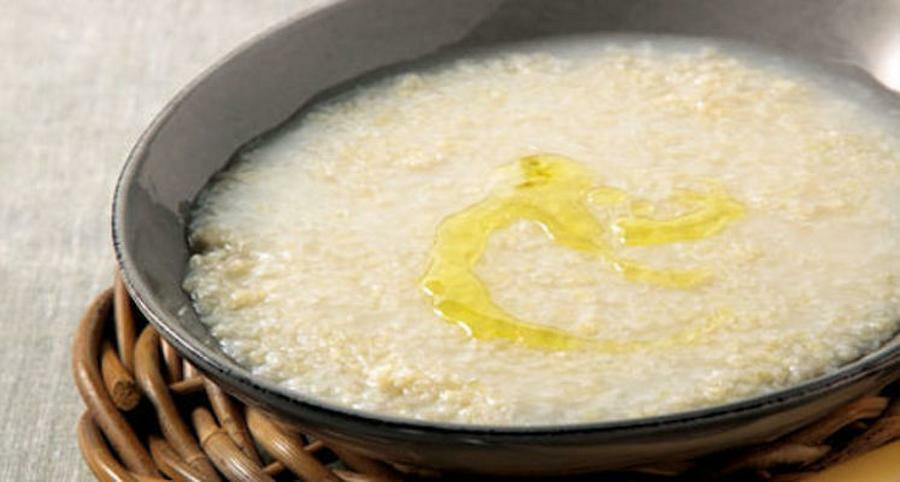
One of the most traditional ways to enjoy trahana is in Greek trahana soup. It is usually simmered with:
-
Water
-
Tomato sauce
-
Vegetable stock
-
Meat or chicken broth
The cooking time is short—typically 15 to 20 minutes—making it a quick and comforting meal. It is often enriched with cheese, butter, or bread, especially in winter.
Trahana as a Cultural and Tourism Experience
For travellers, tasting trahana is more than just trying a local dish—it is an immersion into Greek rural life and culinary history. From village kitchens to family-run tavernas, trahana reflects the ingenuity of traditional Greek households and their connection to seasonal ingredients.
Culinary tourists can also find artisanal trahana at local markets, from small producers, and at gastronomic festivals, making it a meaningful souvenir and a delicious reminder of Greece.
Why Trahana Should Be on Your Greek Food Bucket List
Trahana offers a unique combination of history, nutrition, and flavour. As one of the oldest pasta-like foods in the Mediterranean, it represents the essence of Greek comfort food and sustainable tradition.
Whether enjoyed as a warm soup on a mountain trip or discovered in a traditional taverna, trahana invites travellers to explore a lesser-known yet deeply authentic side of Greek gastronomy.