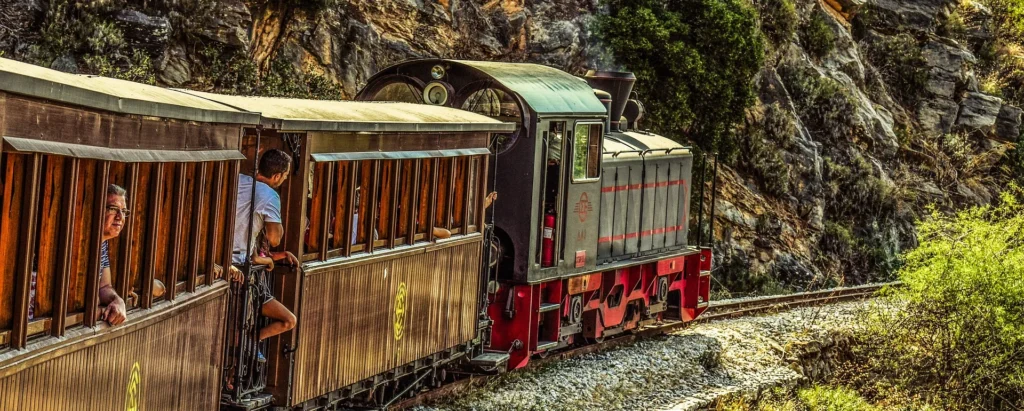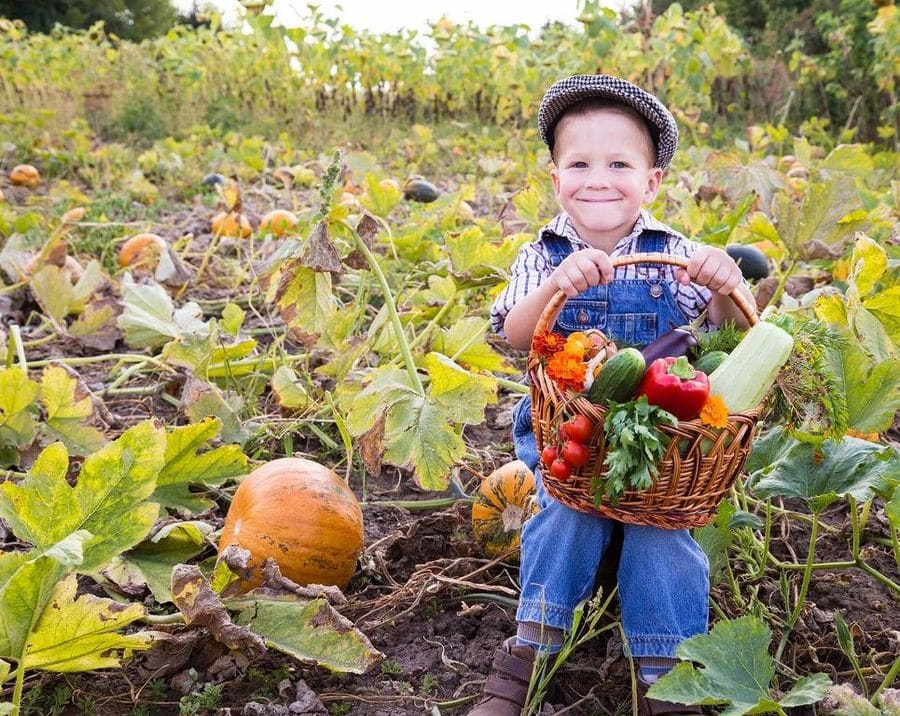
Is agrotourism another form of tourism or something more?
Since the 1950s, a kind of mild tourism has been developed in Western European countries (mainly France, England, and Germany), which has very different qualities compared to the classical, as we know, form of tourism.
Here are the quality characteristics of agrotourism.
– agricultural activities, (field cultivation, livestock management)
observations of the ecosystem (visits to wetlands, study of local fauna and flora,
– adventure sports (climbing, rafting,) and simple physical exercise (trekking)
– cultural tours (visits to traditional architectural settlements, museums and archaeological sites)
– cottage courses (loom, weaving, handicraft, pottery)
– courses on local customs (local dances, culinary) etc.
As can be seen from the above, those who prefer this form of tourism want to live near the countryside, participate in events and live the life of the local people.
The emergence of this form of tourism has largely (perhaps) derived from the isolation of urban residents from the countryside. Strong urbanization and concentration of the population in modern cities do not give them the opportunity to live like rural residents close to nature.
Several city dwellers have memories of childhood or youth, those who have lived in villages, and many others have visualizations that they have acquired either through narratives or through information (media, TV, cinema).
As studies have shown, those turning to agro-tourism are of a high economic standard and are of middle age (35-50 years). They are therefore both financially and intellectually able to enjoy the services offered by agro-tourism. Of course, there are requirements for those who are engaged or think about agro-tourism, they should be aware that they should offer high-quality products and services.
Benefits of agrotourism
The first of our obvious thoughts is that of economic income support for those involved in agro-tourism. In addition to the rental of rooms, they have the possibility to promote their products (eg wine) at good prices without intermediaries. With direct sales, they create a “personal” clientele, which as far as possible (by the existence of a distribution network) will continue to buy and consume the unit’s products, even after returning to the city. One may also suggest to other acquaintances or relatives the products he tasted and appreciated.
Modern marketing points out that the success of sales of a product should be linked to the producer, the history of the production unit and the preservation of traditional elements. This shows that agro tourism activities have an advantage to present.
Both the regeneration of local societies and the protection of nature should be regarded as a profit. Agro tourism is and must remain ecological tourism.
Organization of agro-tourism and networks
It is evident from the above that such an activity in order to succeed should be integrated organically (group of activities) or even geographically (in a region where there are many similar activities) to larger agro-tourism networks. It would be preferable to create as wide-ranging partnerships as possible, including:
– traditional architecture hostels,
– livestock farms (eg poultry farming),
– farm holdings (eg vines, olive trees cultivation, vegetable gardens)
– wine-making units, olive oil plants,
– local clubs, cultural unions,
– courses (churches, museums) etc.
Wine tourism
A subset of agrotourism is also wine tourism. In Greece, it has been trying to develop in recent years, though not always in the right direction. Many wineries have opened their doors to the public, but of course, this is not agro-tourism, since it does not seem to contain the qualitative elements that have been mentioned above. Wineries need to be integrated into wider agro-tourism networks in order to have the greatest possible recognition and optimum profit. Modern wineries have several positive elements (beautiful attentive architecture of buildings, trained staff, excellent products). It is time to reinforce this position in more organized networks that will offer as complemented proposals as possible.