What to Look for to Experience Authentic Local Cuisine
The Must eat places in Santorini are not always the ones with the most spectacular caldera views. To truly understand the island’s traditional way of life, travellers must look beyond luxury dining and discover where locals actually eat, such as Ammoudi, Finikia or Akrotiri.
Santorini is one of the world’s most famous islands, celebrated for its breathtaking sunsets, dramatic volcanic landscapes, and high-end gastronomy. Yet many visitors wonder how to experience authentic local food in Santorini rather than tourist-oriented menus.
This Santorini food guide explains what to look for in order to find the real must-eat places and enjoy the best eats in Santorini like a local.
Santorini’s gastronomy is deeply connected to its volcanic soil, arid climate, and centuries-old agricultural traditions. The cuisine is simple yet intensely flavorful, shaped by nature and local ingenuity.
Away from the Caldera: The Local Secret
The most authentic Must eat places in Santorini are rarely found in caldera-view restaurants. Locals prefer inland villages, where traditional recipes remain unchanged, and prices are more reasonable.
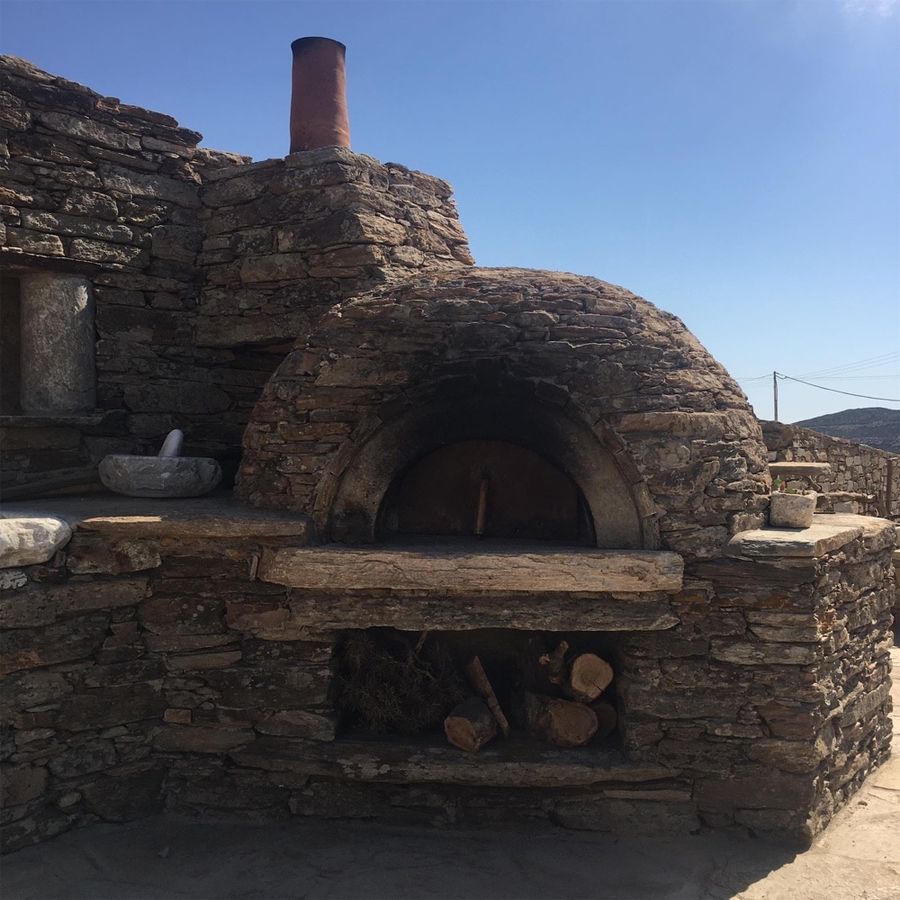
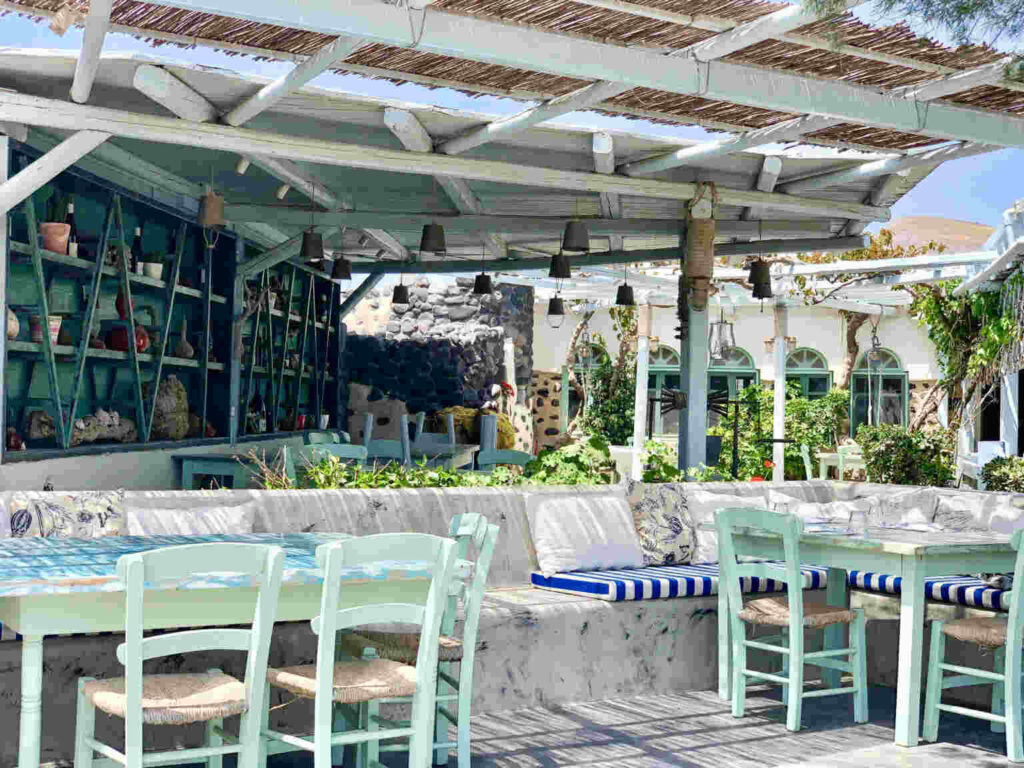
When searching for the best eats in Santorini, look for small tavernas and cookshops in traditional villages with simple décor and a family-run atmosphere. These establishments often serve home-style dishes made with local ingredients and recipes passed down through generations.
If you see locals dining there, it is usually a strong sign of authenticity.
Local Products: The Heart of Santorini Cuisine
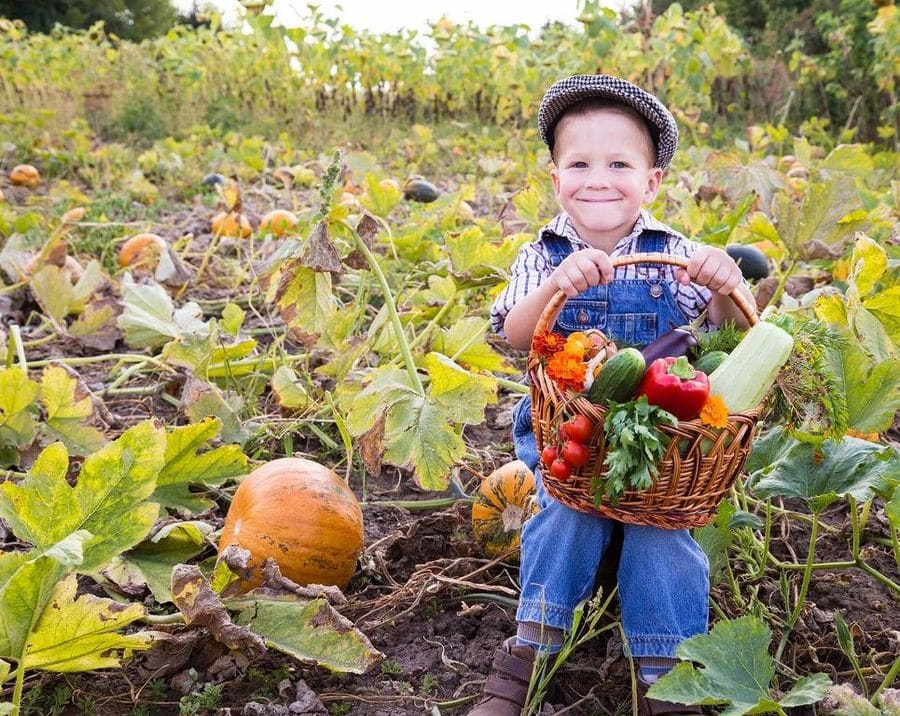
To truly experience local food in Santorini, focus on dishes made with the island’s unique agricultural products. The volcanic soil and dry climate create ingredients with intense flavour and natural sweetness.
What to look for on the menu:
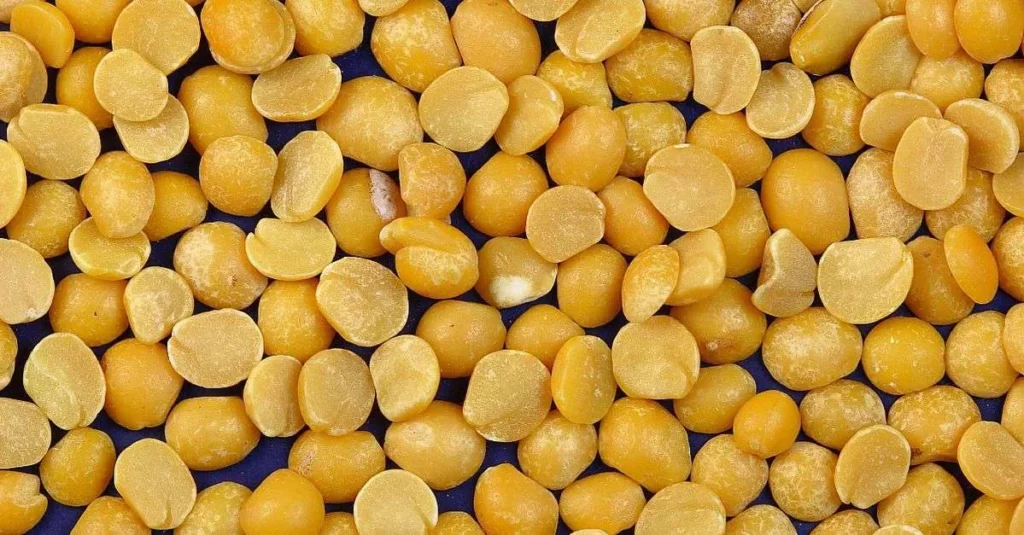
- Santorini Fava – A creamy yellow split-pea purée served with olive oil and onions.
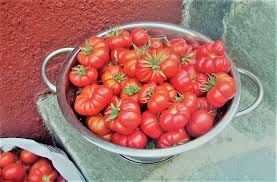
- Tomato Fritters (Tomatokeftedes) – Crispy fried patties made from Santorini’s cherry tomatoes.
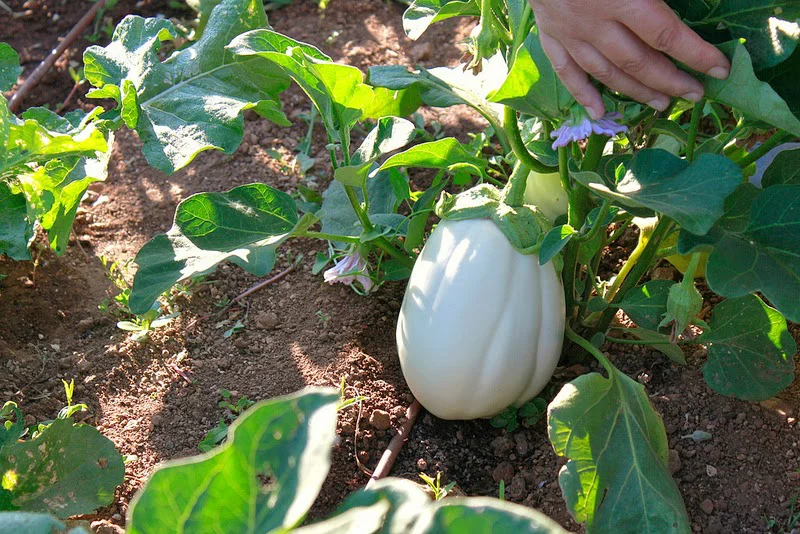
- White Eggplant – Sweeter and less bitter than common eggplants, grilled or fried.
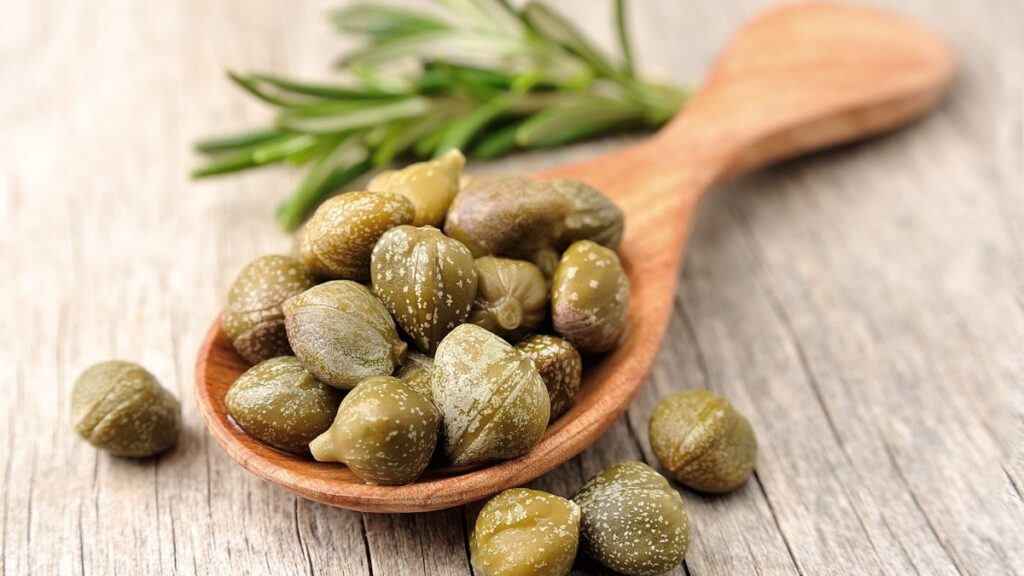
- Capers and Caper Leaves – Used in salads and traditional dishes for a salty Mediterranean taste.
- Fresh Fish and Seafood from the Aegean Sea.
If these dishes appear on the menu, you are likely in a place that respects local culinary traditions.
Santorini Cherry Tomatoes: A Volcanic Treasure
Santorini’s cherry tomatoes are among the island’s most iconic products. Grown in volcanic soil with minimal water, they develop a concentrated flavour, natural sweetness, and high acidity.
These tomatoes are eaten fresh, sun-dried, or preserved, and are the key ingredient in the famous tomato fritters. Today, Santorini cherry tomatoes are recognised as a Protected Designation of Origin (PDO) product and symbolise the island’s agricultural heritage.
Bread and Local Cheeses
Bread is central to Greek dining culture. Look for rustic bread or barley rusks served with salads, olive oil, and meze.
Local cheese varieties to try:
- Chlorotyri
A fresh, creamy, slightly tangy cheese made from goat’s or mixed sheep-and-goat milk. It is produced in limited quantities and is mostly consumed locally. - Kopanisti (Santorini)
A soft, spicy and salty cheese, naturally fermented and aged. It is often used as a spread or in appetisers. - Xynotyro
A tangy whey cheese, a by-product of other cheese-making processes, is commonly used in traditional cooking. - Tiri Ladas (Santorini Olive Oil Cheese)
A hard cheese aged in olive oil, nowadays quite rare and produced in limited quantities.
Bread and cheese reflect the philosophy of sharing and simplicity that defines Greek cuisine. All must eat places in Santorini should have most of the above to let visitors get into the local mentality.
Meze Culture and Home-Style Dishes
Traditional Greek dining is rooted in sharing many small dishes (meze) rather than ordering separate main courses. Meals are social events, where food is placed in the centre of the table, and everyone tastes everything. This communal style is a key part of the authentic dining experience in Santorini.
What to look for
Daily home-cooked dishes (mageirefta)
These are slow-cooked, seasonal dishes typically prepared in family kitchens and small tavernas. All true must eat places in Santorini should serve mageirefta, giving travellers a genuine taste of the island’s local mindset and home-style cuisine.
- Oven-baked lamb or goat with potatoes and herbs (often with oregano and lemon)
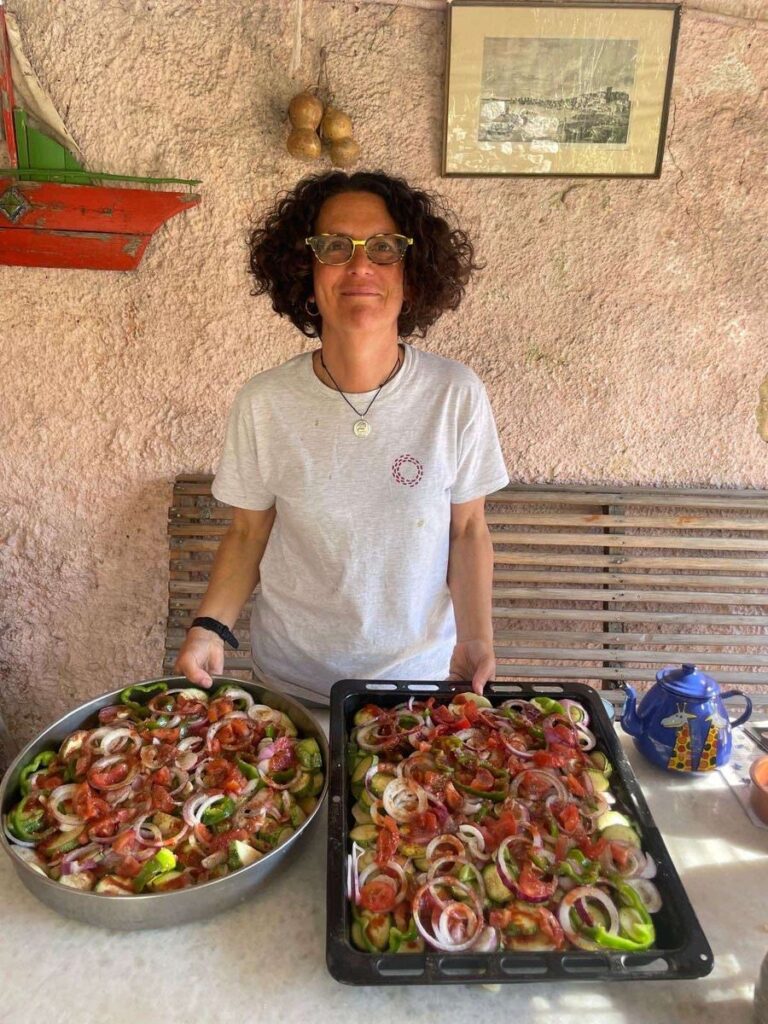
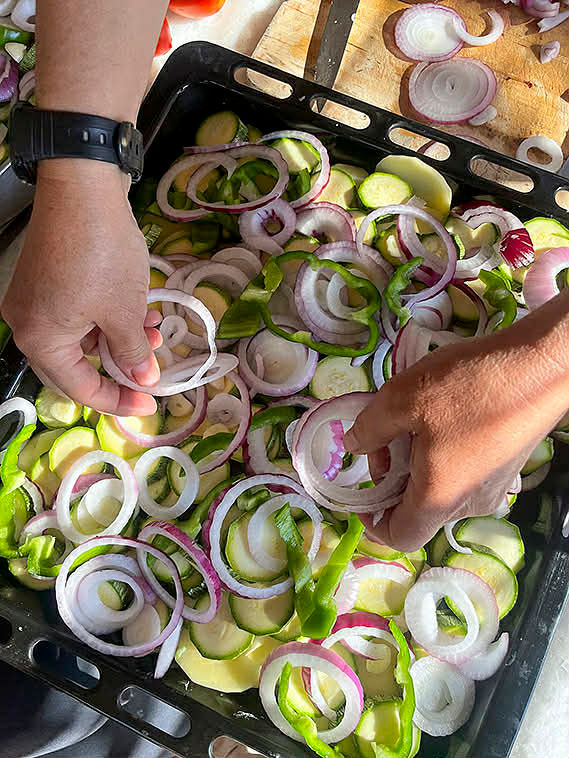
- Stuffed vegetables (Gemista) – tomatoes, peppers, or zucchini filled with rice, herbs, and sometimes minced meat
- Olive-oil-based stews such as:
- Fasolada (white bean soup with vegetables)
- Bamies (okra stew with tomato sauce)
- Kokkinisto (meat in tomato-based sauce)
Meze plates for sharing
Small dishes are served at the centre of the table, often with ouzo or wine:
- Local cheeses such as kopanisti, chlorotyri, or feta
- Olives, fresh bread, and local extra virgin olive oil
- Fava Santorinis (yellow split pea purée) with onions and capers
- Ntomatokeftedes (Santorini tomato fritters)
- Tzatziki or melitzanosalata (eggplant dip)
Grilled meats and seafood
Prepared simply over charcoal to highlight natural flavours:
- Grilled lamb chops, pork souvlaki, or sausages
- Fresh fish, octopus, and squid, often drizzled with olive oil and lemon
- Shrimp saganaki (shrimp cooked in tomato sauce with feta) as a shared dish
Greek Hospitality (Filoxenia)
Sharing food is central to Greek culture. Guests are encouraged to try everything, pass dishes around, and enjoy long meals together. Eating is not just about nourishment but about conversation, connection, and generosity.
Santorini Wines: White, Red, and Sweet
Santorini is one of the Mediterranean’s most important wine regions, with vineyards among the oldest in the world.
Here are some wineries you could visit
White Wines
White wines are the island’s signature. Assyrtiko is the dominant grape, producing mineral-driven wines with high acidity and ageing potential. When blended with Aidani and Athiri, it produces aromatic wines that pair well with seafood and Mediterranean cuisine.
Red Wines
Although less famous, Santorini produces excellent reds. Mavrotragano offers deep, concentrated wines with dark fruit and spice aromas, while Mandilaria provides structured, tannic wines ideal for grilled meats and rich dishes.
Sweet Wines
The most famous sweet wine is Vinsanto, made from sun-dried grapes and aged in barrels. With aromas of honey, caramel, and dried fruits, it is considered one of the world’s top dessert wines.
Raki and Traditional Spirits
Beyond wine, Santorini also produces raki (or tsipouro), a traditional grape-based spirit distilled after harvest. Raki is often offered as a complimentary drink after meals and represents Greek hospitality and tradition.
A Cuisine Shaped by the Volcano
Santorini’s gastronomy is shaped by its volcanic environment. Harsh climate, strong winds, and limited water forced locals to cultivate resilient crops with intense flavours.
This relationship between nature and tradition created a cuisine that is simple, sustainable, and deeply authentic—one of the reasons why Santorini stands out among Mediterranean gastronomic destinations.
How to Find Authentic Must Eat Places in Santorini
To discover the real Must eat places in Santorini, look for:
- Menus focused on local specialities rather than international dishes.
- Daily home-cooked specials that change regularly.
- Simple, family-run settings instead of luxury décor.
- Seasonal ingredients and traditional recipes.
- Presence of locals, especially outside peak tourist hours.
These signs indicate genuine Santorini cuisine rather than tourist-focused dining.
Tips for Travelers Seeking Local Food
- Explore inland villages away from the caldera.
- Ask locals where they eat themselves.
- Try unfamiliar dishes—often the most authentic.
- Share multiple dishes at the table, as Greeks traditionally do.
- Focus on ingredient quality rather than views or presentation.
Conclusion
Santorini offers far more than luxury dining with panoramic views. Its unique local products, traditional recipes, distinctive wines, and traditional raki create a rich culinary identity.
To find the real must eat places in Santorini, travellers should look beyond caldera restaurants and focus on local ingredients, home-style dishes, and traditional cooking methods.
By following this Santorini food guide, visitors can experience authentic local cuisine and understand why the island is considered one of the most fascinating gastronomic destinations in the Mediterranean.