A Hidden Gem on Mount Oiti
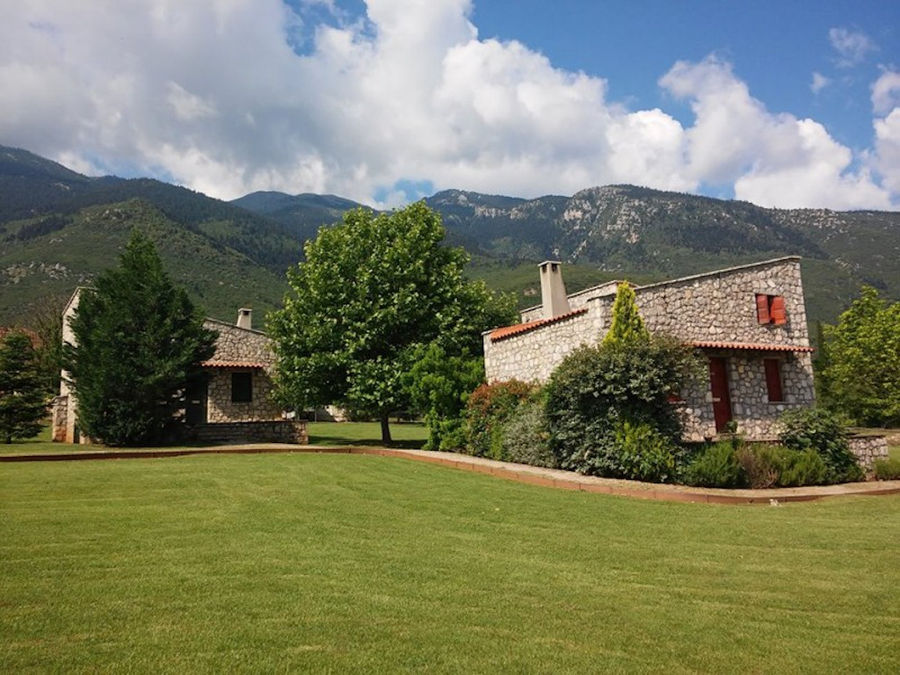
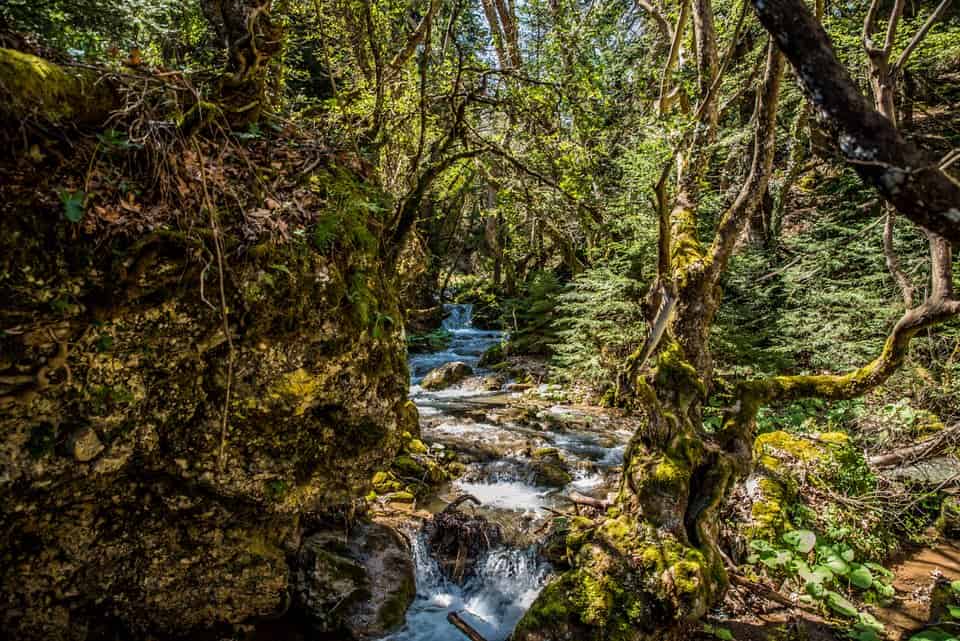
Pavliani is a picturesque mountain village in Central Greece, located on the slopes of Mount Oiti (Oeta) in the regional unit of Phthiotis. Built at an altitude of around 1,040 meters at the entrance to the Oiti National Park, and surrounded by dense fir forests, flowing springs, and dramatic alpine landscapes, it is one of Greece’s most charming eco-tourism destinations.
Divided into Ano (Upper) and Kato (Lower) Pavliani — two settlements built around the headwaters of the Asopos River — the village is closely connected to nature, offering visitors a peaceful retreat in one of the country’s most pristine mountain environments.
A Village with a Story of Resilience
Pavliani’s modern history is closely tied to the Greek Resistance during World War II. On June 3, 1943, the Battle of Pavliani took place near the village, in which Greek resistance fighters successfully repelled an advancing Italian army column. The victory is commemorated today by a monument at the entrance of Kato Pavliani.
This history has become part of Pavliani’s identity, reflected today in its strong community spirit, environmental awareness, and dedication to sustainable, volunteer-driven tourism — most visibly in the recreational park created by local youth over the past three decades.
Nature in the Heart of Oiti National Park
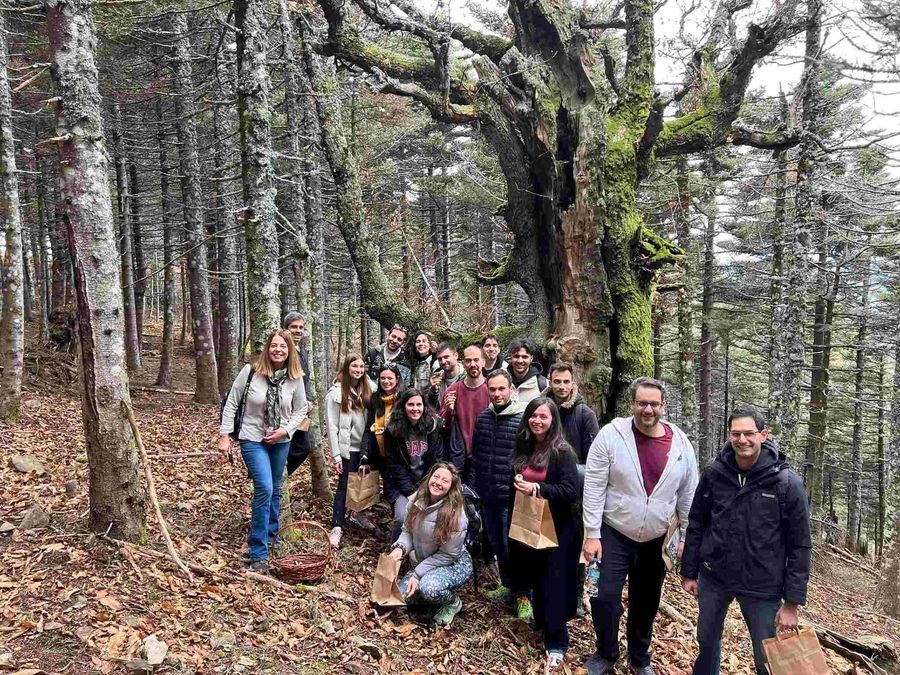
Pavliani sits at the entrance to the Oiti National Park (established in 1966), one of Greece’s most important protected mountain ecosystems, home to over 1,000 identified plant species, including two endemic species. The park is known for its dense fir (Abies cephalonica) forests, along with beech, chestnut, walnut, and plane trees, and for its rich biodiversity.
Crystal-clear springs and streams — fed by the Asopos River, which rises between the two settlements — flow through the landscape, creating a cool, refreshing environment even in summer. One of the most famous nearby attractions is the Pavliani Recreational Park, a whimsical forest playground built and maintained by local volunteers, which combines swings, a “musical” suspension bridge, a Hydropower/Watermill Museum, and a wooden “Iron Throne” viewpoint (also called “Zeus’s Throne”) inspired by Game of Thrones, offering panoramic views over the Maliac Gulf.
The surrounding trails also lead to the ruins of a 3rd-century BC temple dedicated to Heracles on the Katavothra plateau (about 1,800m altitude) — the mythological site of Heracles’ funeral pyre — as well as alpine meadows and mountain shelters, making the area popular for hiking, trekking, and nature photography.
The Gastronomy of Pavliani
The gastronomy of Pavliani reflects the simplicity of mountain cuisine common across the Phthiotis region. Local dishes typically draw on fresh, seasonal ingredients from the surrounding forests and valleys.
Traditional fare associated with the wider Oiti area includes wild mushroom dishes, slow-cooked meats such as lamb and goat, homemade pies filled with wild greens (hortopita) or cheese, and hearty stews. Forest products such as chestnuts, walnuts, and berries also feature in local cooking, alongside dairy from small mountain farms and locally produced honey.
Eco-Tourism and Outdoor Activities
Pavliani is a well-known eco-tourism destination, attracting visitors seeking nature, adventure, and relaxation — particularly through its recreational park’s hiking paths and creative, hand-built installations that blend art with the natural environment.
Activities include hiking, nature walks, and exploring the park’s waterfalls, swings, and trails. In winter, snow transforms the village into a quiet alpine retreat; note that the park itself is sometimes closed in summer due to wildfire risk, so checking ahead is worthwhile.
A Gateway to Mount Oiti
Pavliani serves as a natural gateway to Mount Oiti National Park and the wider Phthiotis region. Nearby attractions include the ancient Heracles temple ruins, the ruins of the medieval fortress town of Siderokastron, waterfalls, and panoramic viewpoints.
Its location also allows relatively easy access (roughly 2–2.5 hours by car) to Lamia and Thermopylae, both significant historical sites in the region.
A Destination of Nature, Creativity, and Peace
Pavliani is more than a mountain village — it’s a living example of community-driven connection to nature. Its forests, springs, playful landscapes, and mountain cuisine create a destination that feels both authentic and inviting.
Whether hiking through fir forests, sampling traditional mountain dishes, or relaxing in the cool alpine air, visitors to Pavliani can experience one of Central Greece’s most distinctive and memorable mountain escapes.