
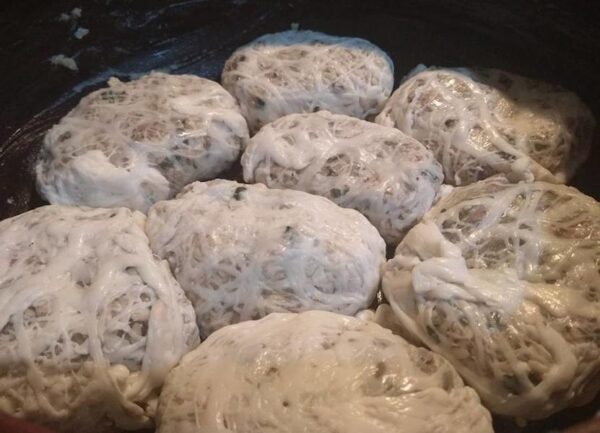
Tzigerosarmades is a delicious traditional Thracian meze that, along with kavourma, is one of the two most meat-rich dishes of Thracian cuisine.
The name contains the words tzigeria and sarmas, which means liver wrapped in suet and baked in the oven.
Tsigerosarmades vs Sarmades: Traditional Greek Cabbage Rolls Explained
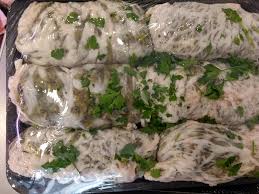
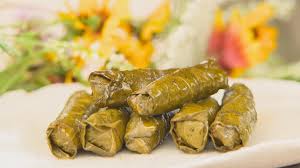
Tsigerosarmades and sarmades are two closely related traditional Greek dishes that share a common form but differ significantly in ingredients, flavour, and cultural meaning. Both are cabbage rolls, yet each represents a distinct chapter of Greek culinary history.
What Are Tsigerosarmades?
Tsigerosarmades is a traditional dish from northern Greece, especially Macedonia. They are most commonly prepared during Christmas and are closely associated with the traditional winter pig slaughter.
Unlike classic sarmades, tsigerosarmades are filled with finely chopped pork offal—such as liver, lungs, and heart—sautéed with onions and spices. They do not contain rice, which gives them a denser texture and a stronger, more robust flavour. The filling is wrapped in fermented (sour) cabbage leaves and slowly cooked, usually without egg-lemon sauce.
This dish reflects an older culinary philosophy based on nose-to-tail cooking, where every part of the animal is used, emphasising frugality, sustainability, and respect for food.
What Are Sarmades?
Sarmades are the better-known version of Greek cabbage rolls and are found throughout Greece and across the Balkans.
They are typically filled with a mixture of minced meat (pork, beef, or a combination), rice, onions, and fresh herbs such as dill or parsley. Sarmades are milder in taste and often finished with avgolemono (egg-lemon sauce), which adds a creamy texture and balanced acidity.
Because of their lighter flavour and simpler preparation, sarmades are cooked more frequently and are not limited to festive occasions.
Tsigerosarmades vs Sarmades: Key Differences
| Feature | Tsigerosarmades | Sarmades |
|---|---|---|
| Filling | Pork offal | Minced meat & rice |
| Rice | No | Yes |
| Flavor | Strong, rich, earthy | Mild, balanced |
| Occasion | Christmas, festive | Everyday or festive |
| Cultural role | Ritual & traditional | Family comfort food |
Cultural and Culinary Significance
While sarmades represent the evolution of Greek cuisine toward softer flavours and everyday cooking, tsigerosarmades preserve an older, ritual-based tradition tied to seasonal life and communal preparation. They are not just food, but a reflection of rural customs, self-sufficiency, and winter celebrations.
Conclusion
Tsigerosarmades and Sarmades are not competitors—they are culinary relatives with different personalities. One is bold, historic, and ceremonial; the other is gentle, familiar, and widely loved. Together, they tell the story of Greek cuisine: from survival and tradition to comfort and shared family meals.