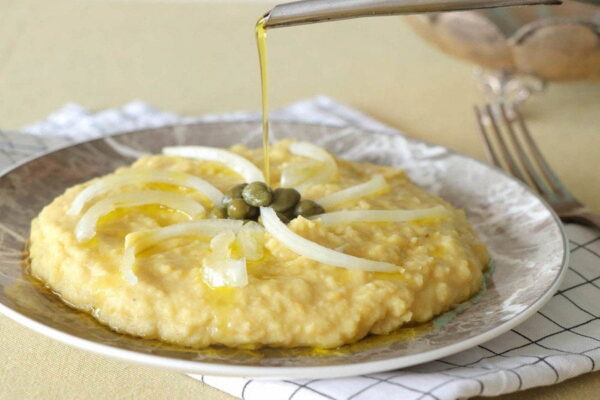
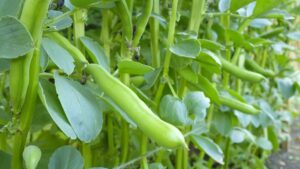
The seeds of the Mediterranean legume Lathyrus clymenum, also known as Spanish vetchling, are used to prepare fava bean puree (“fava”). Cooked like lentils or beans, fava is called pantremeni (“married”) when mixed with capers, onions and cherry tomatoes.
Fava: A Traditional Mediterranean Fava Purée from Santorini
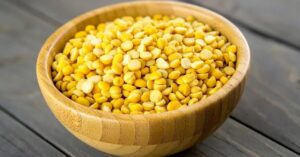
Greek fava is one of the most iconic Mediterranean dishes, loved for its creamy texture, rich flavour, and nutritional benefits. Unlike what its name might suggest, Greek fava is not made from fava beans (Vicia faba). Instead, it is prepared from the seeds of the legume Lathyrus clymenum, also known as Spanish vetchling. These golden yellow seeds, particularly prized in Santorini, are transformed into a smooth, velvety fava purée that has been a staple of Greek cuisine for centuries.
What Is Fava?
The base of Greek fava is the Lathyrus seeds, which are cooked until tender and then mashed or pureed into a creamy consistency. The dish is naturally vegan, gluten-free, and packed with plant-based protein and fibre, making it a nutritious addition to any meal. Greek fava purée has a delicate, earthy flavour that makes it a perfect canvas for a variety of toppings, such as extra virgin olive oil, fresh herbs, onions, or capers.
A famous variation is called pantremeni fava, meaning “married” in Greek. In this version, the purée is mixed with capers, chopped onions, and cherry tomatoes, creating a bright, flavorful combination that balances the smooth texture of the legumes with tangy and savoury notes. This variation is widely enjoyed as an appetiser or meze in Greek tavernas and homes.
Fava: A Lenten Favourite
Greek fava is particularly popular during Lent, as it is a naturally vegan dish that provides essential protein without animal products. It is often served cold as a salad, garnished with chopped parsley and onions, or drizzled with olive oil for extra richness. Its versatility allows it to be paired with grilled vegetables, Florina peppers, rice, or bread, making it suitable for both light meals and festive occasions.
Nutrition and Health Benefits of Fava
The nutritional value of Greek fava purée is one of the reasons it has remained a staple of the Mediterranean diet. It is high in plant protein, dietary fibre, and essential minerals like iron, magnesium, and folate. The addition of olive oil not only enhances the flavour but also adds heart-healthy monounsaturated fats. This combination makes fava a balanced, wholesome dish that supports digestive health, satiety, and overall wellness.
The History of Santorini Fava
Greek fava has a rich history that goes back centuries. The Santorini fava is particularly famous due to the island’s volcanic soil, which gives the yellow split peas a distinctive taste and texture. Historically, legumes like Lathyrus seeds were a dietary staple in the Mediterranean region because they were easy to store, nutritious, and versatile in cooking. Over time, Greek fava purée became a symbol of simplicity, tradition, and communal dining, often shared among family and friends.
How to Serve Greek Fava
Greek fava can be served in many ways. As a starter or meze, it is often presented with drizzled olive oil, chopped onions, and parsley. As a main dish or side, it pairs beautifully with roasted peppers, rice, or fresh vegetables. Some modern variations also include a squeeze of lemon juice or a sprinkle of capers, adding brightness and depth to the dish. Its creamy texture and subtle flavour make it a versatile complement to a wide range of Mediterranean ingredients.
Why Greek Fava Remains Popular
Greek fava remains popular not only in Greece but also around the world. Its combination of simple ingredients, rich flavour, and health benefits embodies the Mediterranean diet. Whether enjoyed as pantremeni fava, Santorini-style fava, or a refreshing cold salad, this dish represents the best of Greek culinary tradition: wholesome, flavorful, and shared with loved ones.
In conclusion, Greek fava purée is more than just a legume dish. It is a Mediterranean culinary treasure, celebrated for its history, nutrition, and versatility. From the volcanic soils of Santorini to dining tables worldwide, fava continues to delight the palate, nourish the body, and connect people through the shared enjoyment of simple, traditional food.