
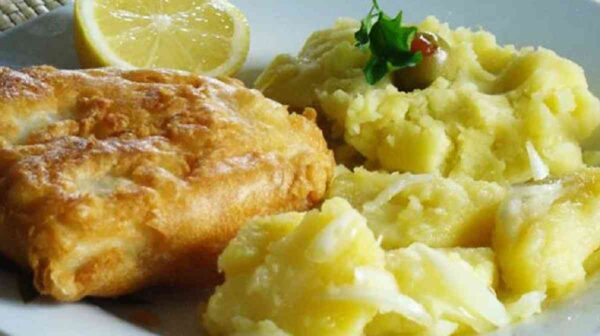
Traditional Greek Garlic Dip and Side Dish
Skordalia is a well-known and beloved Greek appetiser and side dish, famous for its rich garlic flavour and creamy texture. Also known as aliada, skordalia is a classic Mediterranean dip that has been part of Greek cuisine for centuries and is often associated with traditional celebrations and seafood dishes.
What Is Skordalia?
Skordalia is a garlic-based puree that resembles mashed potatoes or a thick, savoury spread. It is prepared by blending crushed garlic with a thick base, which can be:
-
Mashed potatoes
-
Dried bread that has been soaked and softened in water or milk
To enhance its flavour and texture, skordalia is traditionally enriched with:
-
Walnuts or almonds, finely ground
-
Extra virgin olive oil, added slowly to create a smooth, creamy emulsion
-
Vinegar or lemon juice, which balances the garlic with acidity
Some modern variations of the recipe include eggs, which make the dip even creamier and closer in texture to mayonnaise.
Skordalia Variations and Regional Recipes
There are several regional variations of skordalia across Greece and the Mediterranean:
-
Potato skordalia – the most common version, creamy and mild
-
Bread-based skordalia – lighter and slightly more rustic
-
Nut-based skordalia – richer and more aromatic, especially popular in northern Greece
-
Egg-enriched skordalia – extra smooth and luxurious
Each variation maintains the signature bold garlic flavour that defines the dish.
How Skordalia Is Served
Skordalia is traditionally served as a meze (appetiser) or side dish, especially during Greek feasts and fasting periods. It pairs perfectly with:
-
Fried fish, especially battered cod (bakaliaros skordalia), is a classic dish for Greek national holidays
-
Fried or boiled vegetables, such as eggplant, zucchini, carrots, and beets
-
Grilled seafood and meats with a flavorful garlic sauce
-
Bread or pita as a dip in mezze platters