
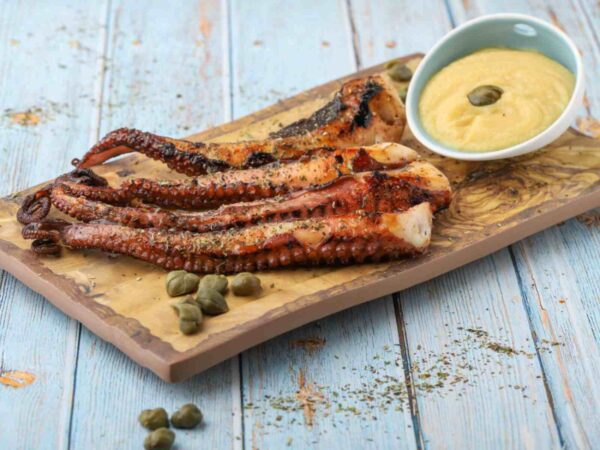
Greece is world-famous for its Mediterranean cuisine, fresh seafood, and seaside dining culture. Among the many traditional Greek dishes to try, grilled octopus stands out as one of the most iconic and memorable. For many tourists, tasting grilled octopus by the sea becomes a highlight of their trip and a true introduction to Greek coastal gastronomy.
This article explains what grilled octopus is, how it is prepared, why it is popular in Greece, and what visitors to Greece should know before ordering it in a Greek taverna.
What Is Grilled Octopus?
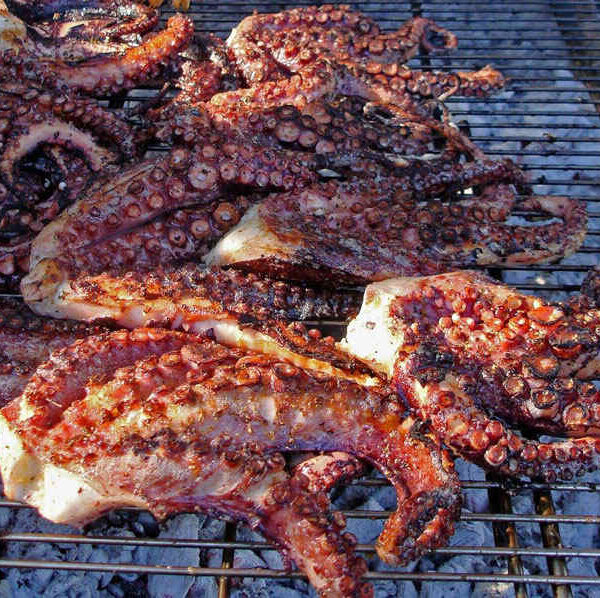
Grilled octopus is a traditional Mediterranean seafood dish made from fresh octopus, which is slowly cooked and then grilled over charcoal or on a hot grill. In Greece, octopus is considered a delicacy and is commonly served as an appetiser (meze) or as a main dish in seafood restaurants.
The dish is typically seasoned with extra-virgin olive oil, lemon juice, vinegar, oregano, and sea salt, creating a simple yet intense flavour. The grilling process imparts a slightly smoky flavour to the octopus while keeping the inside tender and juicy.
Unlike fried seafood, grilled octopus is light and highlights the natural flavours of the sea, making it a popular choice for travellers seeking authentic, healthy Greek cuisine.
The Tradition of Octopus in Greek Cuisine
Octopus has been part of Greek coastal life for centuries. Fishermen in Greek islands and coastal villages traditionally catch octopus using pots or lines and often hang them outside their boats or tavernas to dry slightly in the sun. This traditional practice helps tenderise the octopus and is still seen in many Greek harbours today.
In Greek culture, octopus is associated with the sea, fishing traditions, and family tavernas. It is often served during celebrations, seaside lunches, and social gatherings, making it more than just a dish—it is part of Greek heritage.
How Grilled Octopus Is Prepared
One of the most important things tourists should know is that octopus must be prepared carefully to become tender. Greek chefs typically follow a traditional method:
-
Slow Cooking: The octopus is simmered in its own juices or with a small amount of water and vinegar until tender.
-
Tenderising: This slow-cooking process breaks down tough fibres, resulting in a soft texture.
-
Grilling: After cooking, the octopus is grilled over charcoal or a hot grill to create a smoky, slightly crispy exterior.
-
Seasoning: It is finished with olive oil, lemon, oregano, and sometimes capers or garlic.
This combination of slow-cooking and grilling is key to the tender, flavorful grilled octopus served in Greek tavernas.
Why visitors to Greece Love Grilled Octopus
1. Fresh Mediterranean Ingredients
Greece has access to fresh seafood from the Aegean, Ionian, and Mediterranean seas. Many tavernas serve locally sourced octopus, making the dish exceptionally fresh compared to what many tourists experience in their home countries.
2. Unique Taste and Texture
Grilled octopus has a unique texture—tender inside with a slightly charred exterior. Its flavour is mild yet rich, enhanced by olive oil and lemon, staples of the Mediterranean diet.
3. Healthy Mediterranean Choice
Grilled octopus is considered a healthy dish. It is:
-
High in protein
-
Low in saturated fat
-
Rich in vitamin B12, iron, and omega-3 fatty acids
For travellers who want to enjoy Greek cuisine without heavy meals, grilled octopus is an excellent option.
4. Authentic Greek Dining Experience
Eating grilled octopus in a seaside taverna with a view of the sea is a classic Greek experience. The relaxed atmosphere, shared plates, and local drinks make it a memorable part of any trip to Greece.
How Grilled Octopus Is Served
In Greek restaurants, grilled octopus is usually presented in simple and elegant ways:
-
Cut into tentacles or slices
-
Drizzled with extra virgin olive oil and lemon juice
-
Sprinkled with oregano, sea salt, or capers
-
Served as a shared appetiser (meze) or a main course
Greek dining culture encourages sharing dishes, so grilled octopus is often placed in the centre of the table for everyone to enjoy.
Cultural and Culinary Significance
For tourists, grilled octopus represents more than just a meal—it symbolises Greek hospitality, tradition, and the Mediterranean lifestyle. Dining in a seaside taverna, listening to the waves, and sharing seafood with friends or family is an integral part of Greek culture.
Many visitors describe eating grilled octopus in Greece as one of their most authentic travel experiences, connecting them with local traditions and coastal life.
Tips before Ordering Grilled Octopus
-
Ask whether it is fresh or frozen: Fresh octopus is usually more flavorful, though frozen octopus can also be tender.
-
Check the price: Octopus is considered a premium seafood and may be more expensive than other dishes.
-
Try it as a meze: Ordering it as a shared appetiser is a great way to taste multiple Greek dishes.
-
Pair with local drinks: Ouzo or Greek white wine complements the flavour perfectly.
Conclusion: A Must-Try Greek Seafood Experience
Grilled octopus is one of the most famous and beloved Greek seafood dishes and a highlight of Mediterranean cuisine. With its fresh ingredients, traditional preparation, and unique seaside atmosphere, it offers tourists an unforgettable culinary experience.
Whether enjoyed on a Greek island, in a coastal village, or in a seaside restaurant, grilled octopus represents the true taste of Greece. For any visitor exploring Greek food and culture, trying grilled octopus is an essential part of the journey.