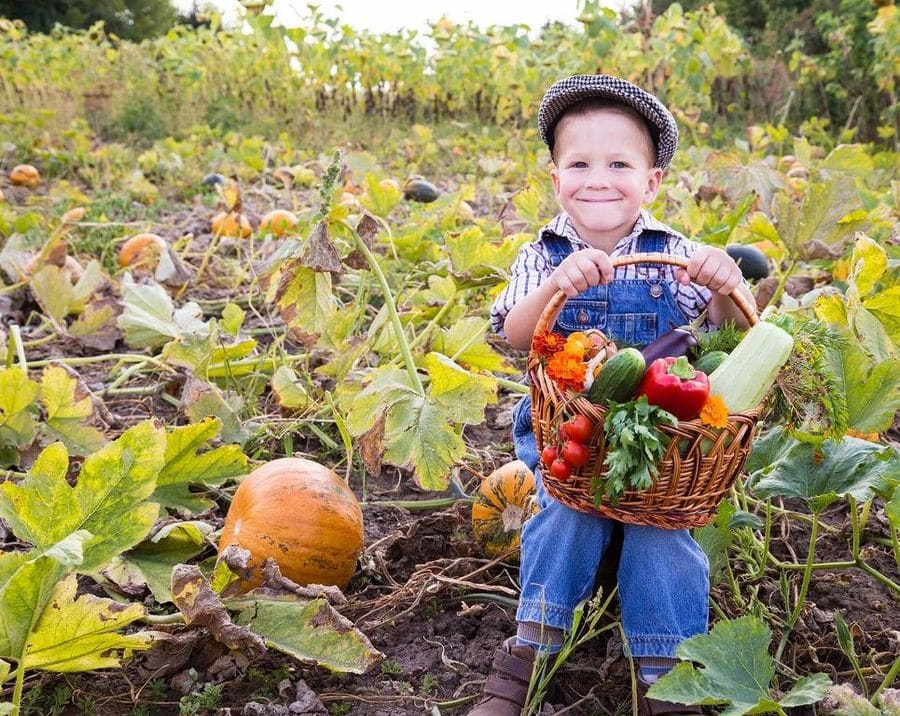
The heart of a singular, authentic, and unique cuisine beats throughout Macedonia, and eating habits are shared across the region. Each locality, however, has something unique to add. The Gastronomy of Macedonia achieved a harmonious union of Byzantine cuisine with Eastern inventiveness and local gastronomic tradition. During the summer, the Macedonian earth yields many fruits and vegetables. Diets in the springtime are supplemented by fish from the region’s countless rivers and lakes, with trout, meadows, bass and wels catfish, along with seafood found off the shores of Kavala, Katerini and Chalkidiki.
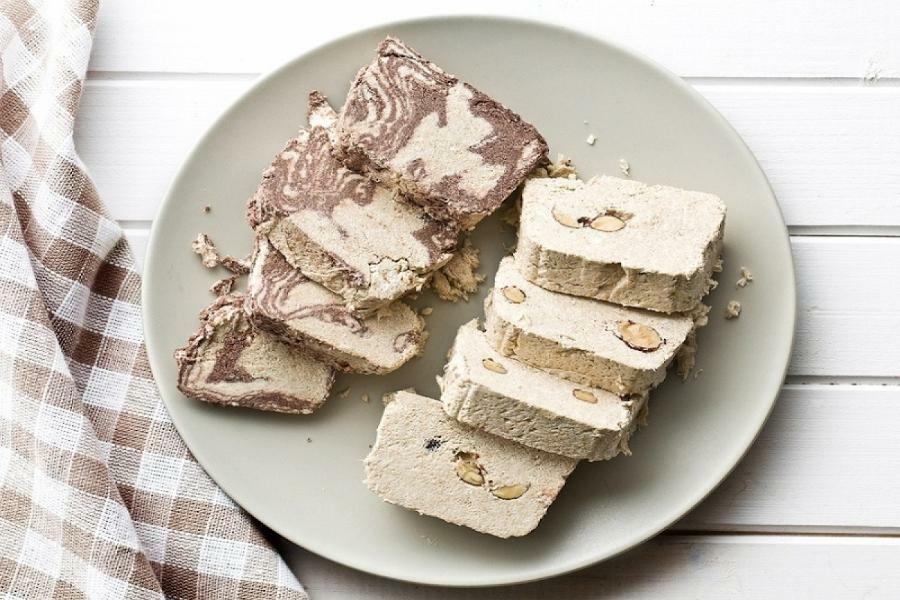
At the beginning of Fall, vegetables and wine intermingle. Vapours of tsipouro mix with those from cooking pots, which, along with kavourma, sausage and pork, promise a good winter. A unique and very high-quality product of Macedonia, among the best in the world, is the Krokos or saffron from Kozani prefecture. At Christmas, the pita, halva, finikia, baklava, ekmek kataifi, and other treats carry the memories of Asia Minor refugees. Macedonia achieved a harmonious union of Byzantine cuisine with its Eastern inventiveness, local gastronomic tradition, and the scents and imagination of Macedonian gastronomic traditions. The multiculturalism of that time is reflected throughout Macedonia today. Over the years, various dishes evolved and adapted more closely to the region’s climate and products. The rich and diverse flavours of the region exemplify the Gastronomy of Macedonia.
Protected Designation of Origin (PDO) and Protected Geographical Indication (PGI) products:
The Gastronomy of Macedonia showcases these exceptional products.
| Product | Designation of Origin (PDO) or Geographical Indication (PGI) | Prefecture |
| Pulses | Beans gigandes-elephandes of Kato Nevrikopi PGI) | Drama |
| Pulses | Mid-sized, flat beans of Kato Nevrikopi PGI) | Drama |
| Pulses | Beans gigandes-elephandes of Kastoria (PGI) | Kastoria |
| Pulses | Beans gigandes-elephandes of Prespes (PGI) | Florina |
| Pulses | Big-sized, flat beans of Prespes (PGI) | Florina |
| Others products | Saffron of Kozani (PDO) | Kozani |
| Cheese | Anevates tiganites (PDO) | Kozani, Grevena |
| Cheese | Batzos (PDO) | Kozani, Grevena, Florina, Kastoria, Thessaloniki, Halkidiki, Kilkis, Pella, Imathia, Pieria |
| Cheese | Feta (PDO) | All prefectures |
| Cheese | Kaseri (PDO) | Drama, Kavala, Serres, Thessaloniki, Halkidiki, Kilkis, Pella, Imathia, Pieria |
| Cheese | Manouri (PDO) | Kozani, Grevena, Florina, Kastoria, Thessaloniki, Halkidiki, Kilkis, Pella, Imathia, Pieria |
| Cheese | Kefalograviera (PDO) | Kozani, Grevena, Florina, Kastoria |
| Olive oil, olives | Early harvest olive oil (PDO) | Halkidiki |
| Olive oil, olives | Green olives (PDO) | Halkidiki |
| Olive oil, olives | Green olives of Galano Metangitsi (PDO) | Halkidiki |
| Fruits, vegetables | Tragana (crispy) cherries of Rodochori (PDO) | Imathia |
| Fruits, vegetables | Peaches (PDO) | Naoussa |
| Fruits, vegetables | Kiwi of Pieria (PGI) | Pieria |
| Fruits, vegetables | Apple of Kastoria (PGI) | Kastoria |
| Wine | Agion Oros (PGI) | Agion Oros |
| Wine | Agora (PGI) | Drama |
| Wine | Adriani (PGI) | Drama |
| Wine | Velvedo (PGI) | Kozani |
| Wine | Epanomi (PGI) | Thessaloniki |
| Wine | Thasos (PGI) | Xanthi |
| Wine | Messimvria (PGI) | Thessaloniki |
| Wine | Paggaio (PGI) | Kavala |
| Wine | Plagies Vertiskou (PGI) | Thessaloniki |
| Wine | Plagies Paikou (PGI) | Kilkis |
| Wine | Siatista (PGI) | Kozani |
| Wine | Sithonia (PDO) | Halkidiki |
| Wine | Gouemenissa (PDO) | Kilkis |
| Wine | Naoussa (PDO) | Naoussa |
| Wine | Plagies Melitona (PDO) | Halkidiki |
| Wine | Amyntheo (PDO) | Amyntheo |