
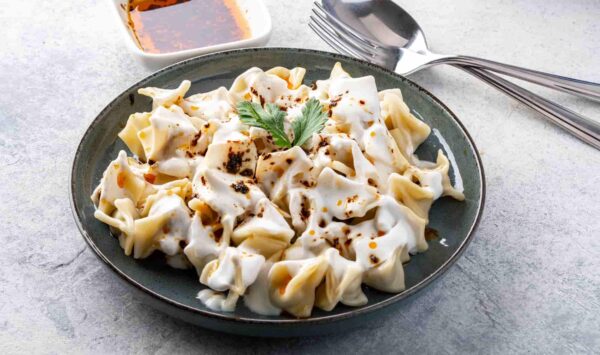
The Tiny Dumplings with a Big Culinary Heritage
Mantı are small stuffed dumplings that hold a special place in the culinary traditions of Turkey and much of Central Asia. Though simple in ingredients, they represent centuries of cultural exchange, family tradition, and careful craftsmanship. Often compared to ravioli or other dumplings around the world, mantı stand apart because of their size, preparation, and distinctive serving style.
Origins and Cultural Background
The history of mantı stretches across the Silk Road, where travelling peoples carried culinary ideas between Asia, the Middle East, and Anatolia. Variations of meat-filled dough parcels appeared in many regions, evolving according to local ingredients and tastes. Over time, mantı became especially associated with Anatolian cuisine, where it developed into a refined and highly symbolic dish.
In many households, making mantı is more than cooking—it is a social activity. Families traditionally gather around a table to roll dough, prepare filling, and fold hundreds of tiny dumplings together. Skill is often judged by how small and uniform each piece is, reflecting patience and experience.
Ingredients and Preparation
Mantı are made from a few basic components:
The dough
- Flour
- Eggs or water
- Salt
The dough is rolled very thin and cut into small squares.
The filling
- Ground beef or lamb
- Finely grated onion
- Salt and pepper
A small portion of filling is placed in each square of dough, which is then folded into compact parcels. The dumplings are typically boiled, although some regional versions bake them briefly before cooking.
The Signature Serving Style
What truly defines mantı is the way it is served. After cooking, the dumplings are covered with two contrasting sauces:
- Garlic yoghurt sauce — cool, creamy yoghurt mixed with crushed garlic and salt.
- Spiced butter sauce — melted butter infused with red pepper flakes or paprika, poured hot over the yoghurt.
The combination creates a balance of temperatures and flavours: warm and cool, rich and tangy, mild and spicy. A sprinkle of dried mint or sumac is often added for aroma and freshness.
Regional Variations
Although mantı are widely associated with Turkish cuisine, similar dumplings exist across a large geographic area. In Central Asia, the dumplings are often larger and steamed rather than boiled. In some Caucasian traditions, they may be baked until slightly crisp. Each variation reflects local customs while maintaining the core idea of seasoned meat wrapped in delicate dough.
Culinary Significance Today
Today, mantı remains both a comfort food and a celebratory dish. They are served in homes, traditional restaurants, and modern kitchens alike. While ready-made versions exist, many people still prefer handmade mantı, valuing the tradition and care involved in their preparation.
Beyond their taste, mantı symbolise connection—between generations, cultures, and regions. A plate of these small dumplings tells a story of migration, adaptation, and shared culinary heritage, proving that even the smallest foods can carry the richest histories.