Kakavia Fish Soup: The Ancient Greek Fisherman’s Dish That Defines Coastal Gastronomy
Among the many treasures of Greek cuisine, few dishes carry as much history and authenticity as kakavia fish soup. Often described as the original fisherman’s soup of Greece, kakavia is more than a recipe — it is a culinary tradition born at sea, shaped by centuries of maritime life, and preserved today in coastal regions such as Karystos in Evia.
Simple, nourishing, and deeply connected to Greek culture, kakavia represents the essence of Mediterranean cooking: fresh ingredients, minimal intervention, and respect for nature.
The Ancient Origins of Kakavia
The story of kakavia begins in ancient Greece. Historians believe that the first version of this soup was prepared either aboard small fishing boats or along welcoming shores where fishermen cooked their daily catch immediately after returning from the sea.
The name kakavia comes from the Greek word kakavi, meaning “large cooking pot”. Inside this pot, fishermen boiled freshly caught fish together with olive oil and onions, creating a flavorful broth using only the ingredients available to them.
This early preparation method reflects survival cooking — practical, efficient, and designed to nourish hardworking sailors using whatever fish remained unsold or unsuitable for market.
How Kakavia Evolved Through History
Originally, kakavia contained only fish, olive oil, onions, and seawater or fresh water. The recipe remained unchanged for centuries until the global exchange of ingredients following Christopher Columbus’ voyages introduced new foods to Europe.
Potatoes, which arrived from the Americas much later, were gradually added to the soup. Their inclusion transformed kakavia, giving it greater body and making it even more satisfying as a complete meal.
Despite these additions, the philosophy behind kakavia never changed: simplicity and freshness remain its defining characteristics.
Why Smaller Fish Make Better Kakavia
One of the most fascinating aspects of traditional kakavia fish soup is the belief that the smaller and more bone-filled the fish, the tastier the soup becomes.
Small fish release collagen, minerals, and intense marine flavours during cooking, creating a rich and aromatic broth impossible to achieve with fillets alone. Fishermen traditionally used mixed catches — fish that could not easily be sold individually — turning humble ingredients into an extraordinary dish.
This practice also reflects sustainability, ensuring that no part of the catch goes to waste.
Modern Kakavia: Ingredients and Preparation
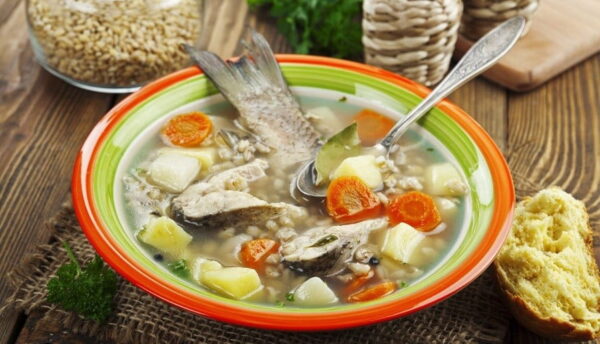
Today, kakavia has evolved into a refined version of classic Greek fish soup while maintaining its authentic roots. Modern recipes often enrich the broth using fish heads or pieces of larger fish to deepen flavor.
The most suitable fish varieties include:
-
Golden groupers
-
White groupers
-
Dusky groupers
-
Cod
These fish provide firm flesh and flavorful bones that enhance the soup’s texture and aroma.
Typical Ingredients in Kakavia Fish Soup
Although recipes vary by region, most versions include:
-
Mixed fresh fish
-
Potatoes
-
Onions
-
Carrots or seasonal vegetables
-
Extra virgin olive oil
-
Lemon juice
-
Fresh herbs such as parsley or celery
The soup is traditionally cooked slowly, allowing flavours to develop naturally without heavy seasoning.
Kakavia and Greek Coastal Culture
Kakavia is inseparable from Greece’s maritime identity. For generations, fishermen gathered after long days at sea to prepare this communal meal, sharing stories while cooking together.
In many coastal towns, the preparation of kakavia still symbolises hospitality and community. The dish is often served during festivals, seaside gatherings, or family celebrations, maintaining its social significance.
Regions such as Evia, the Cyclades, and the Peloponnese continue to preserve authentic versions of the recipe, making kakavia a living link between ancient and modern Greece.
Kakavia in Modern Greek Gastronomy
Today, chefs across Greece are rediscovering kakavia as part of a broader movement toward traditional and sustainable cuisine. While some restaurants present modern interpretations, the most authentic experiences still come from seaside tavernas where recipes follow family traditions.
In places like Karystos, visitors can taste kakavia prepared much as it was centuries ago — slowly cooked, shared among friends, and enjoyed with fresh bread and local wine.
Why Kakavia Represents the Soul of Greek Cuisine
Kakavia fish soup perfectly captures the philosophy of Greek cooking: respect for ingredients, connection to nature, and communal enjoyment of food. It transforms simple elements into something deeply comforting and memorable.
Unlike elaborate dishes, kakavia tells a story of resilience, creativity, and tradition — a reminder that some of the world’s greatest foods were born from necessity.
Experience Kakavia Today
Whether enjoyed in a coastal taverna overlooking the Aegean or prepared at home using fresh seafood, kakavia remains one of Greece’s most authentic culinary experiences.
For travellers exploring Greek gastronomy, tasting kakavia is not just about trying a soup — it is about experiencing a tradition that has travelled through thousands of years of history, from ancient fishing boats to modern tables.