


This website uses cookies so that we can provide you with the best user experience possible. Cookie information is stored in your browser and performs functions such as recognising you when you return to our website and helping our team to understand which sections of the website you find most interesting and useful.
Taste Lasithi: A Culinary Journey Through Eastern Crete’s Natural Bounty
Overview
The region of Lasithi, located at the eastern edge of Crete, is renowned for its striking contrasts, combining well-developed tourist destinations with untouched natural landscapes. The capital, Agios Nikolaos, is especially famous for its picturesque lake and scenic coastal road.
Lasithi is a captivating blend of natural beauty, historical significance, and rich cultural traditions. It offers dramatic scenery, archaeological heritage, vibrant towns, and a strong connection to traditional Cretan life.
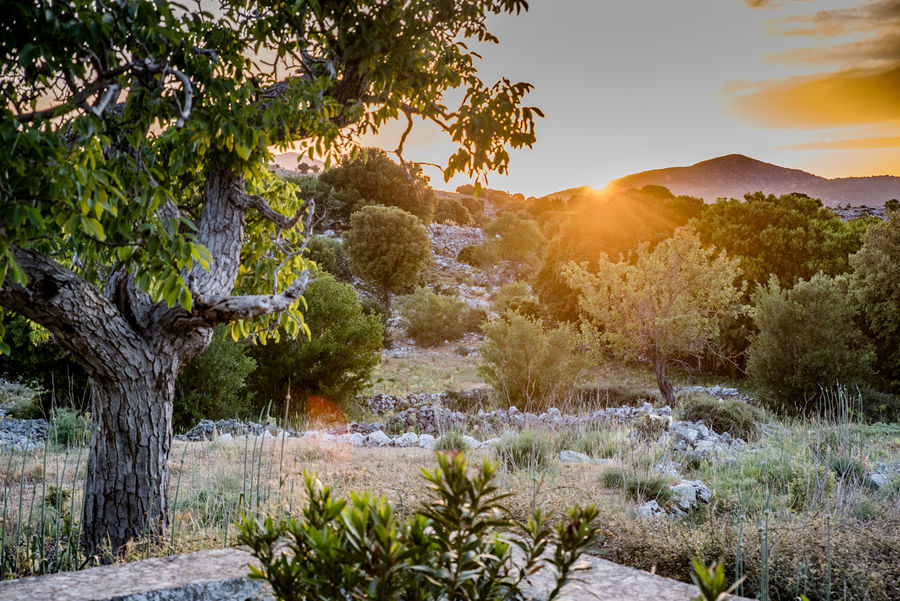
Natural Landscape & Environment
Lasithi is best known for its diverse and dramatic natural environment.
- The Lasithi Plateau, located near Mount Dikti, is famous for its traditional stone windmills and fertile landscape.
- The region stretches along approximately 300 km of coastline, featuring many beaches awarded with Blue Flag status.
- It enjoys a sunny Mediterranean climate with nearly 3,000 hours of sunshine annually.
- The area includes important Natura 2000 protected sites that preserve rare flora and fauna.
- Notable gorges include Ha, Lapathos, and Sarakina, offering excellent hiking opportunities.
- Famous caves such as Dikteion, Peristeri, and Milatos are deeply connected to mythology and history.
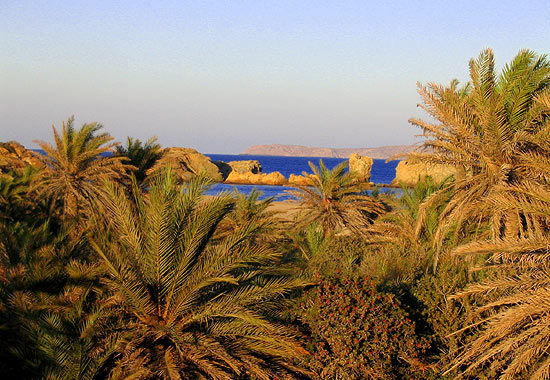
- At the easternmost tip lies the Vai Palm Forest, home to Europe’s largest natural palm grove.
Historical & Archaeological Heritage
Lasithi is rich in remains from the Minoan and post-Minoan eras.
- Key archaeological sites include Zakros, Lato, and Ierapetra.
- The region features significant Venetian-era landmarks, including Spinalonga Fortress and Kazarma Fortress in Sitia.
- Spinalonga, once a Venetian and Ottoman stronghold and later a leper colony, is now a major cultural attraction.
Religious & Cultural Heritage
The region has a strong spiritual and cultural identity.
- Important monasteries include Toplou and Kapsa.
- Numerous Byzantine churches are scattered throughout the region, reflecting its long religious history.
Towns and Settlements
Lasithi includes several vibrant towns, each with its own identity:
- Agios Nikolaos: A lively coastal city known for its lake and elegant atmosphere.
- Ierapetra: The southernmost city in Europe, featuring charming alleys and the historic Kales Fortress.
- Sitia: A picturesque town with an amphitheatrical layout and the Kazarma Fortress, part of the UNESCO-designated Sitia Geopark.
- Nearby Elounda is internationally known for its luxury tourism and proximity to Spinalonga.
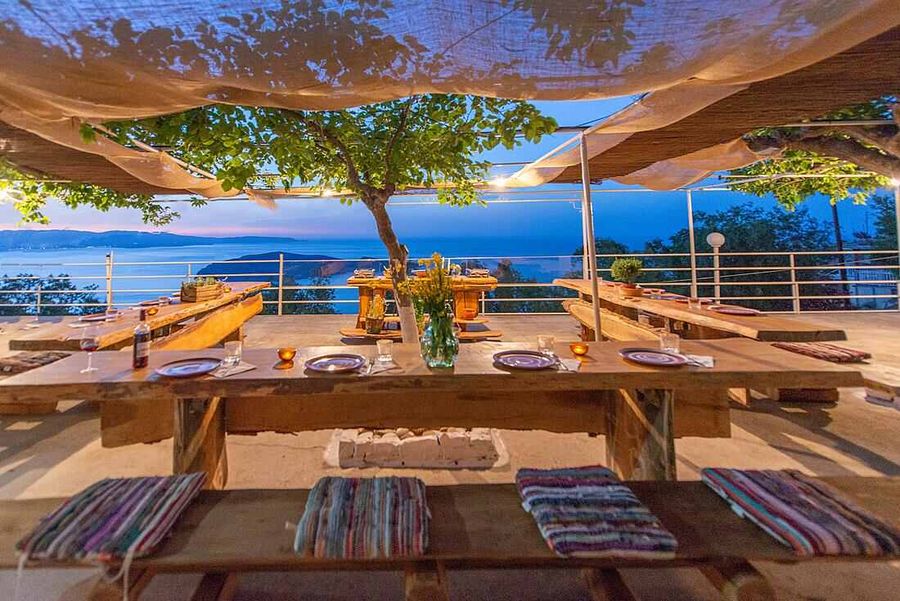
Lasithi Gastronomy
Lasithi’s cuisine reflects its natural diversity and traditional lifestyle.
- The region is known for high consumption of wild greens and mushrooms, especially in remote areas.
- Local agriculture produces abundant fresh vegetables, particularly in the plateau region.
- Coastal areas from Agios Nikolaos to Sitia specialise in fresh seafood.
Traditional Dishes
- Sofegada: A vegetarian dish made with seasonal vegetables and herbs.
- Roast pork with local potatoes.
- Soups with wild rooster or chicken are often served during celebrations.
- Seafood specialities such as kakavia (fish soup) and scorpion fish soup are especially popular in Sitia.
Local Products & Specialities
Lasithi is also known for high-quality agricultural and artisanal products:
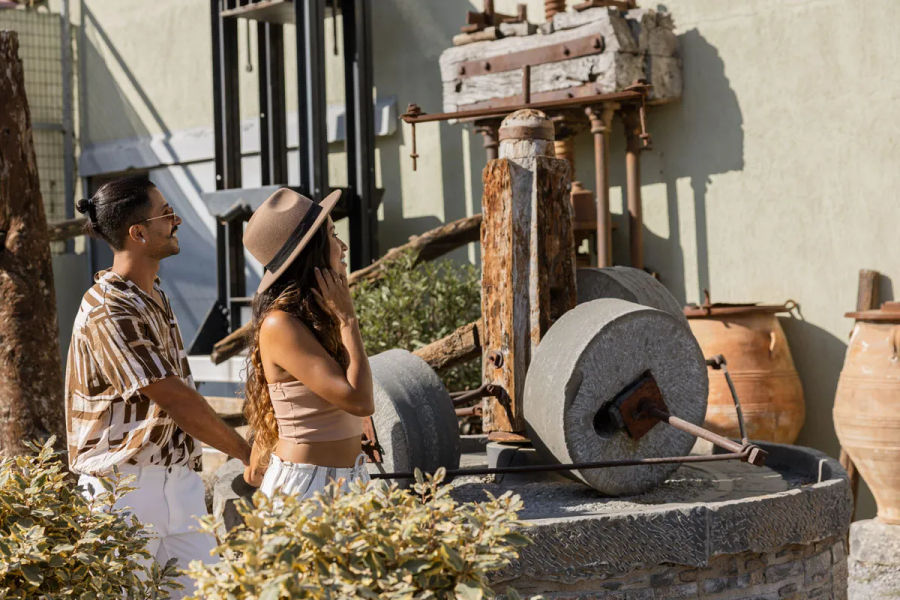
- Award-winning olive oil
- Fresh fruits and vegetables
- Dairy products, including xigalo Sitia PDO cheese
- Legumes from the Lasithi Plateau
- Wines with PDO status, especially from the Liatiko grape
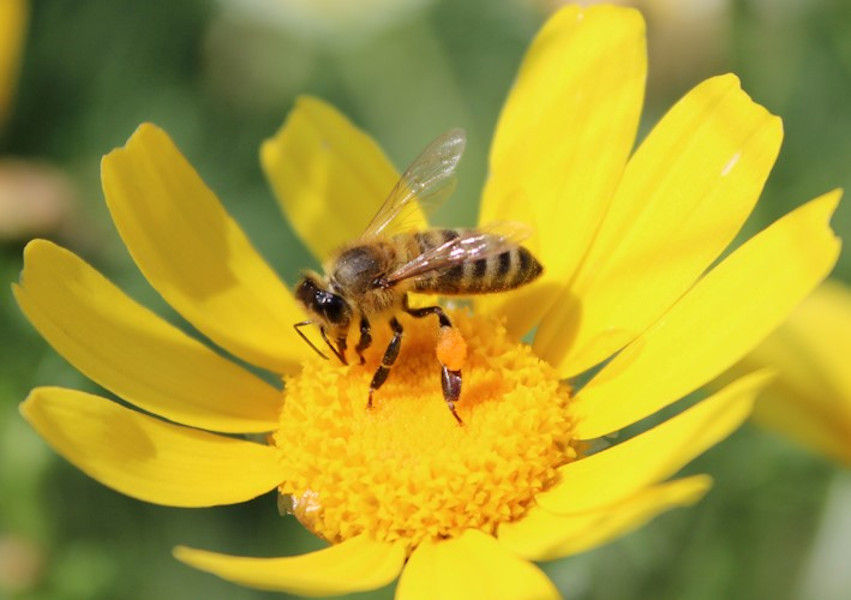
- Traditional sweets and high-quality local honey