Myth, Majesty, and the Centre of the Ancient World
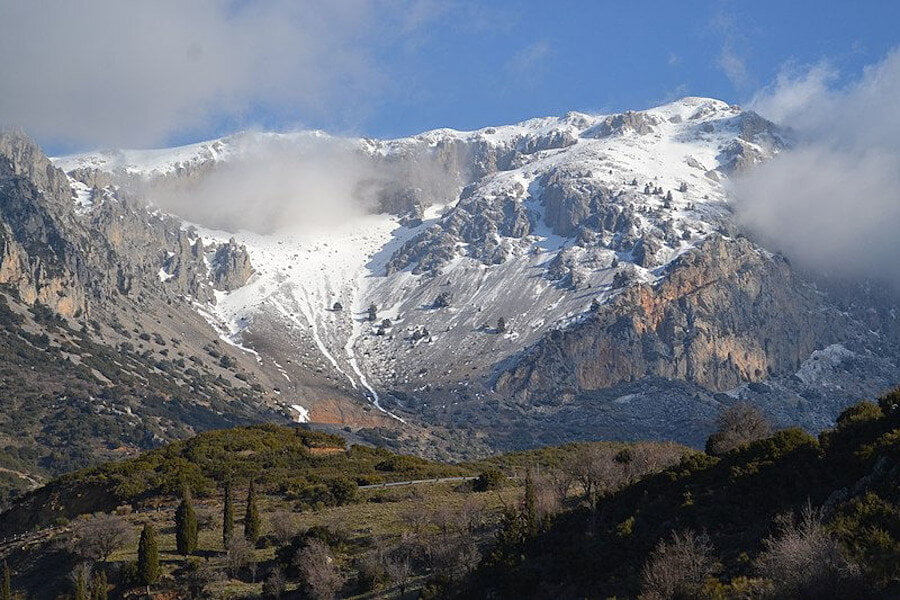
Mount Parnassus, situated in Central Greece, is one of the most legendary mountains in the country, deeply rooted in ancient Greek mythology and cultural identity. According to tradition, its name is linked to the mythical figure Parnassus, the son of Poseidon and the nymph Cleodora, who was said to have founded a city on its slopes.
Rising to an elevation of 2,457 metres, Mount Parnassus is among the highest peaks in Greece and forms part of the broader Pindus mountain range system. Today, it is also designated as a national park, recognised for both its ecological value and its cultural importance.
Sacred Mountain of Apollo and the Muses
In ancient Greek belief, Mount Parnassus was sacred to Apollo and the Muses. It was regarded as a divine centre of artistic inspiration, poetry, and prophecy, making it one of the most spiritually significant landscapes in the ancient world.
This sacred identity has endured through centuries, as poets, writers, and artists have continuously drawn inspiration from its symbolism, associating the mountain with creativity, clarity, and elevated thought.
Delphi: The Centre of the Ancient World
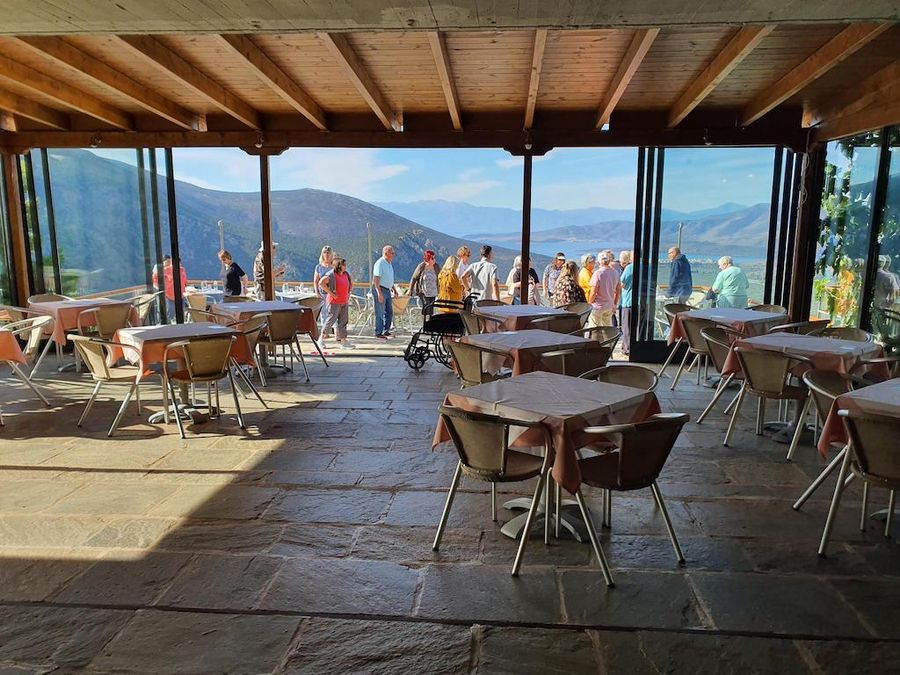
At the base of Mount Parnassus lies Delphi, one of the most important archaeological sites of antiquity. Home to the famous Oracle of Delphi, it was considered the “centre of the world” by the ancient Greeks and served as a major religious and cultural hub.
From antiquity to the present day, Delphi continues to attract visitors from around the world, reinforcing the prestige and timeless significance of Mount Parnassus as a sacred landscape of history and myth.
Cultural Legacy and Parnassianism
Mount Parnassus has also left a lasting mark on European cultural history. It gave its name to the 19th-century literary movement known as Parnassianism, which emerged as a reaction against Romanticism. This movement emphasised precision, form, and aesthetic restraint in poetry, reflecting the mountain’s association with order, harmony, and artistic purity.
Through this influence, Mount Parnassus transcended geography and mythology, becoming a symbol of artistic excellence and intellectual refinement.
Nature, Adventure, and Modern Appeal
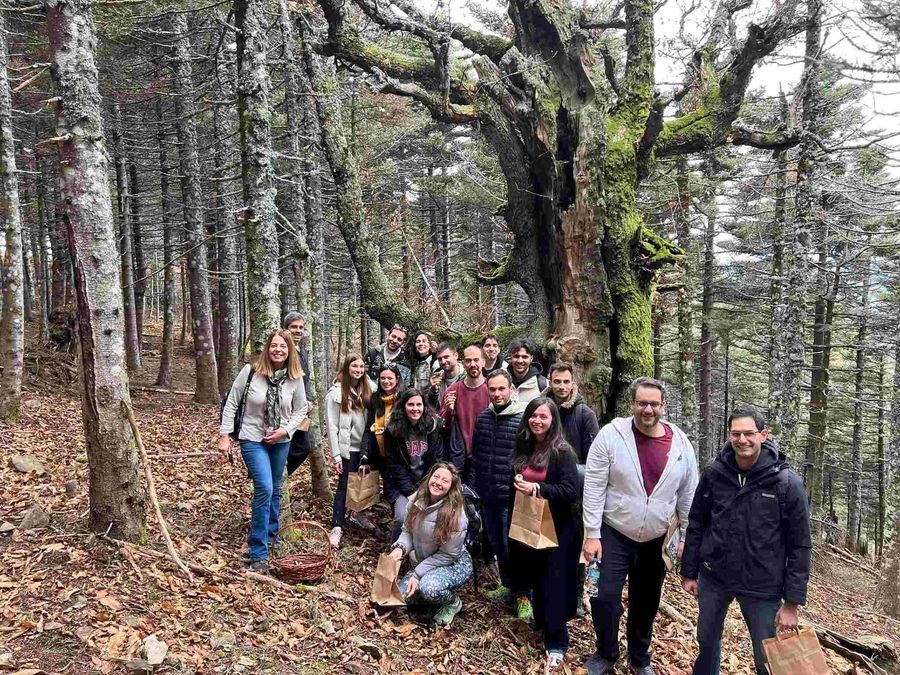
Today, Mount Parnassus is both a natural wonder and a recreational destination. Its rugged limestone peaks, dense fir forests, and rich biodiversity make it a haven for hikers, climbers, and nature enthusiasts.
In winter, the nearby slopes of Mount Parnassus attract ski visitors, while in summer, the mountain transforms into a landscape ideal for hiking, exploration, and nature experiences. The proximity to Arachova further enhances its appeal, offering traditional hospitality and vibrant mountain culture.
A Timeless Symbol of Greece
Mount Parnassus remains one of Greece’s most iconic landscapes, combining mythology, history, and natural beauty. From its sacred role in antiquity to its influence on literature and its modern outdoor appeal, it stands as a powerful bridge between the ancient and contemporary worlds.