Discover the Authentic Flavours of a Wild Cycladic Paradise
Food tours in Amorgos offer far more than a simple culinary experience — they provide a journey into one of the most authentic and untouched islands of the Cyclades. Rich in cultural heritage and blessed with striking natural beauty, Amorgos captivates visitors from the very first moment they arrive. Dramatic landscapes, traditional lifestyles, and deeply rooted gastronomic traditions combine to create a destination where food becomes a gateway to history, culture, and local identity.
Unlike many neighbouring islands shaped by mass tourism, Amorgos remains wonderfully preserved. With only around 1,800 residents, it has mountainous terrain that has protected its authenticity and slow rhythm of life. Here, visitors encounter whitewashed villages perched on hillsides, ancient footpaths connecting settlements, friendly cafés filled with locals, and countless village festivals celebrating faith, food, and community.
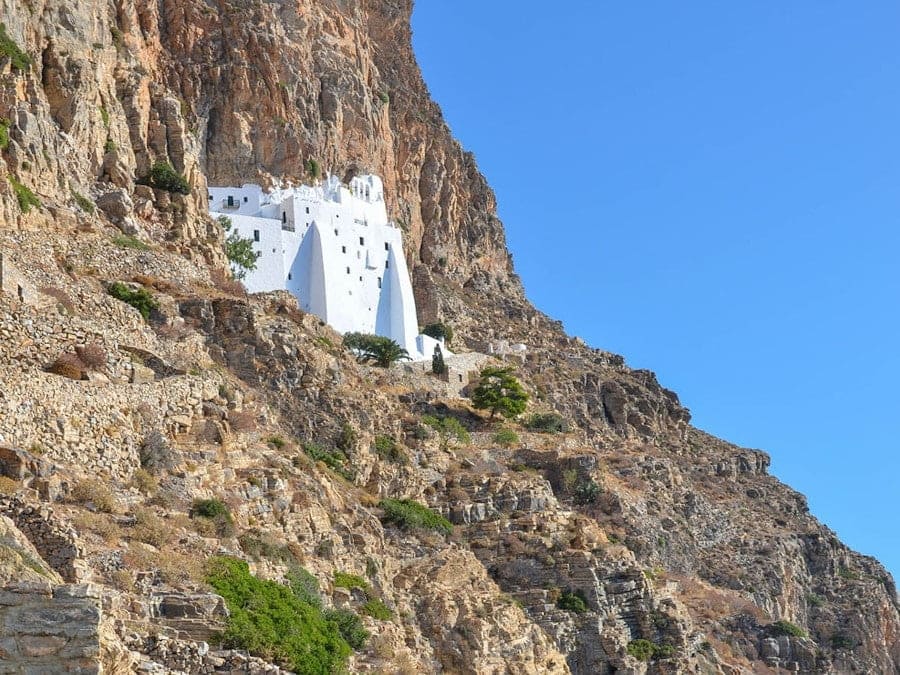
Exploring food tours in Amorgos means discovering an island of contrasts — towering mountains on one side and steep cliffs descending into crystal-clear turquoise waters on the other. These sudden shifts in landscape mirror the island’s cuisine: simple yet intense, humble yet deeply flavorful.
A Culinary Tradition Rooted in Nature
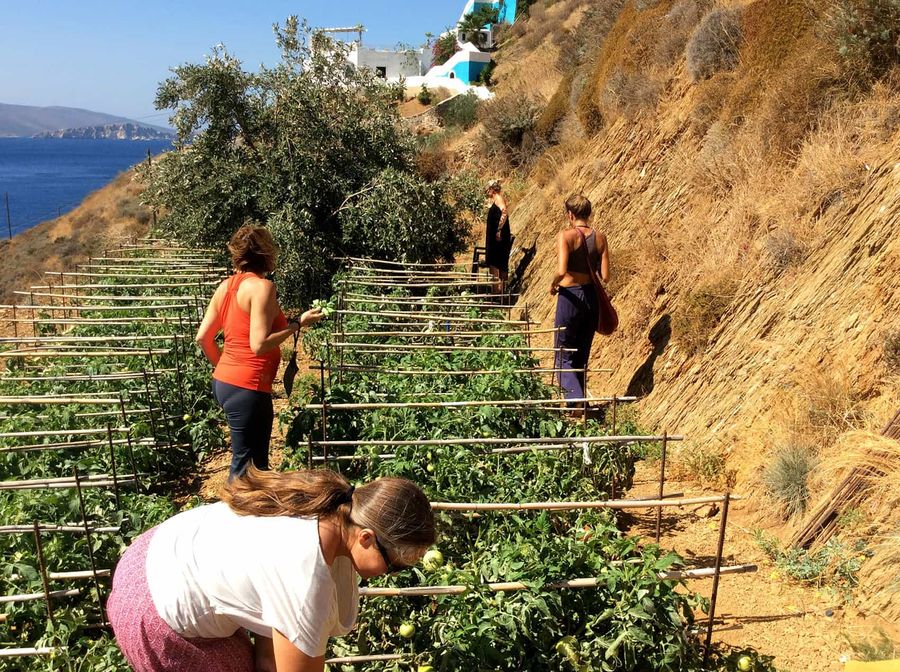
Amorgian gastronomy is shaped by the island’s rugged environment. Limited farmland encouraged self-sufficiency, seasonal cooking, and creative use of local ingredients. Olive oil, aromatic herbs, goat and sheep meat, fresh fish, handmade cheeses, and traditional breads form the backbone of the island’s cuisine.
During food tours in Amorgos, visitors quickly learn that every dish tells a story — often connected to religious celebrations, agricultural cycles, or family traditions passed down through generations.
Local cheeses are among the island’s culinary highlights. Mizithra, anthotiro, and the spicy kopanisti cheese reflect centuries-old dairy practices. Produced mainly from goat and sheep milk, these cheeses appear in pies, salads, and festive dishes, offering rich yet delicate flavours unique to the island.
Honey also plays an essential role in Amorgian cooking. Thyme honey and anthomelo (blossom honey) capture the aromas of the island’s wild herbs and flowers. Combined with oregano, fennel, rosemary, and thyme, these ingredients season meat dishes and sweets alike.
Signature Dishes You’ll Taste on Food Tours in Amorgos
One of the greatest pleasures of joining food tours in Amorgos is sampling traditional recipes rarely found elsewhere in Greece.
Patatato — The Island’s Culinary Symbol
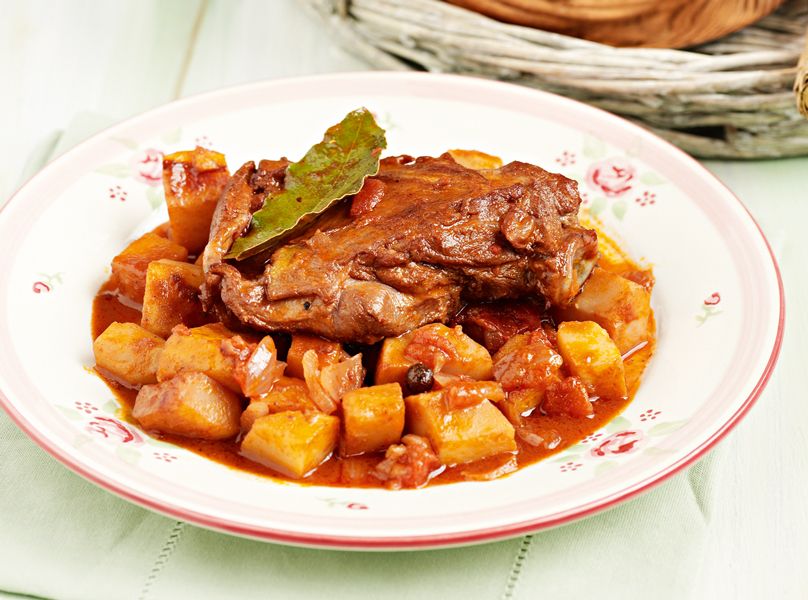
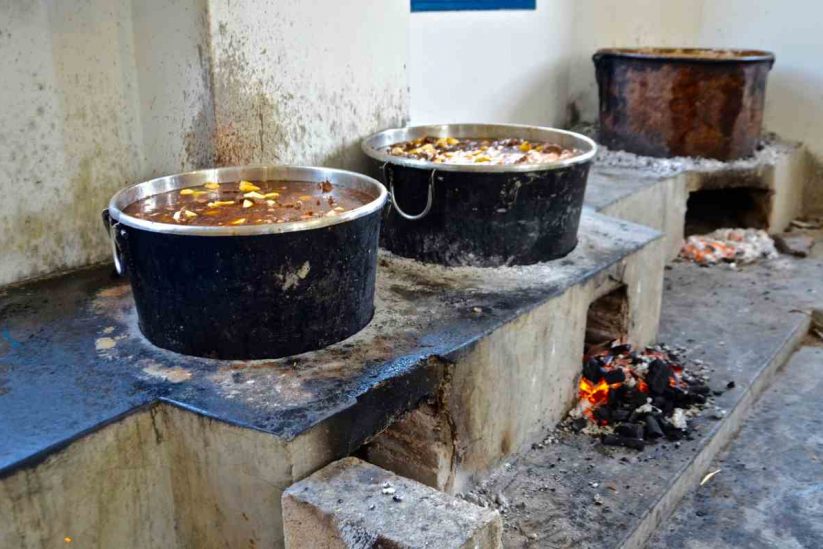
Perhaps the most famous dish of Amorgos is patatato, a slow-cooked goat or lamb stew with potatoes. Prepared during festivals and celebrations, the dish reflects communal cooking traditions where large pots simmer overnight, filling villages with irresistible aromas.
Xidato
A unique festival soup, xidato, is made from chopped goat entrails flavoured with vinegar, garlic, salt, and pepper. Its bold taste represents the island’s philosophy of respecting every ingredient and minimising waste — a hallmark of traditional island cuisine.
Fava (Magirama)
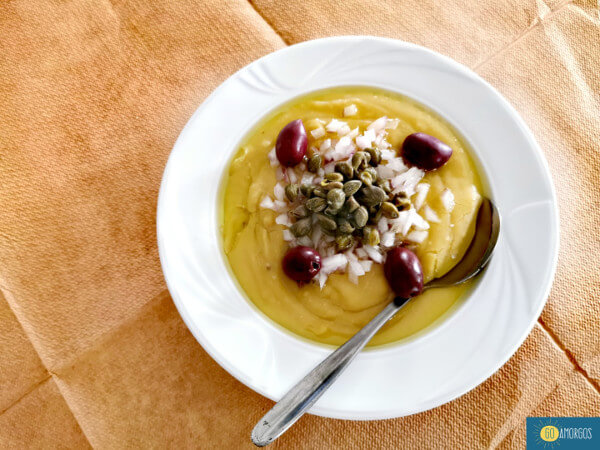
Pulses hold an important place in Amorgian diets, and fava — locally called magirama — is prepared from katsouni peas ground using traditional hand mills. Simple ingredients such as olive oil, water, and salt create a nutritious and comforting dish. Variations include fava meatballs infused with local herbs.
Kofto and Festive Specialities
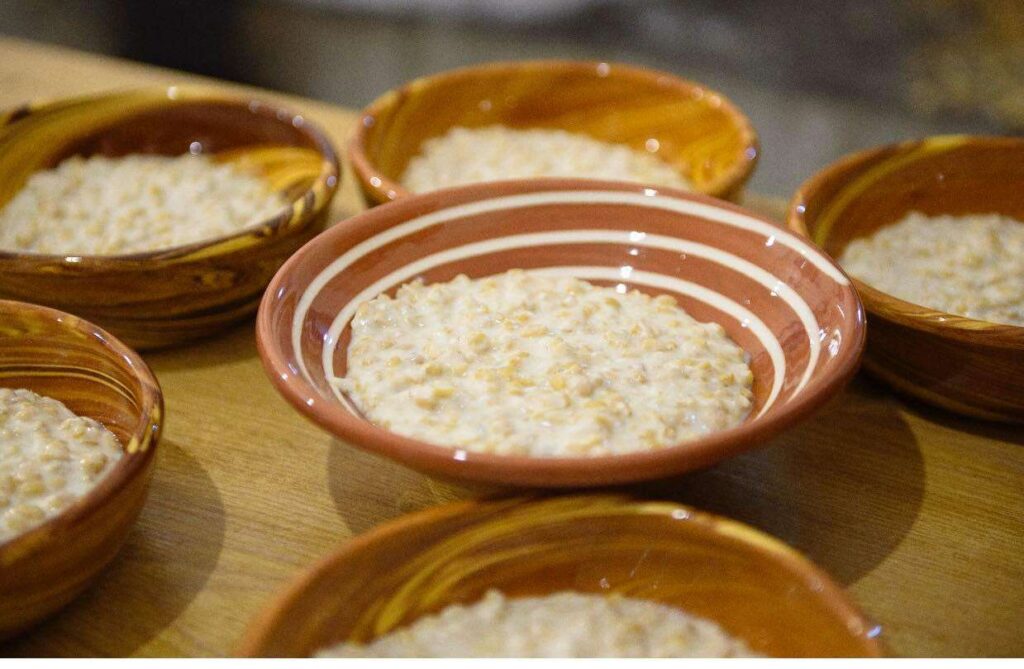
Kofto, traditionally prepared for New Year celebrations and the feast of Saint Paraskevi, combines wheat and mizithra cheese into a hearty ceremonial dish served alongside patatato.
During Easter, families prepare roasted goat or lamb stuffed with rice, herbs, and roasted entrails, showcasing the island’s celebratory cooking traditions.
Traditional Products Worth Discovering
Food tours in Amorgos also highlight artisanal products that visitors often take home as edible souvenirs.
- Kavourma: preserved pork used especially in omelettes.
- Tiropitaki: small fried cheese pies.
- Hortopitaki: Equivalent to tiropitaki but filled with herbs such as chard, fennel, mint, and spring onions.
- Paximadi: twice-baked bread made from wheat or barley.
- Pavli bread: baked in honour of Saint Paul and later dried into rusks, with flour from wheat and barley.
Large round loaves weighing up to five kilos demonstrate the island’s traditional baking culture, once essential for sustaining families through long winters.
Sweet Traditions and Local Drinks
No culinary exploration is complete without dessert. Xerotigana — delicate pastries served with cinnamon and roasted sesame seeds — appear at weddings, baptisms, Christmas, and Easter celebrations. Another beloved treat is Amorgian pasteli, a softer sesame bar distinguished by a subtle hint of cumin.
Local drinks are equally important during food tours in Amorgos. Rakomelo, a warm blend of raki, honey, and spices, is served in cafés even in the morning and offered to visitors at monasteries alongside loukoumi as a gesture of hospitality.
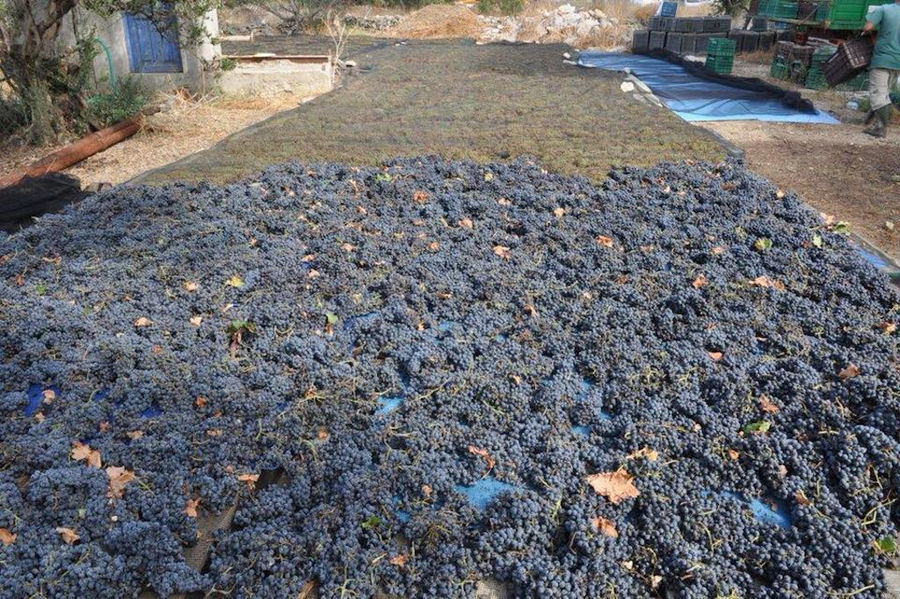
Psimeni raki, slowly distilled and flavoured with herbs, embodies the island’s spirit — literally and culturally — a warm, fragrant blend of local raki infused with honey and aromatic spices.
From Sea to Table
Despite its mountainous terrain, Amorgos maintains a strong connection to the sea. Small local fishing boats supply tavernas with fresh fish daily, including sardines, red mullet, and small reef fish grilled simply with olive oil and lemon. This freshness is a highlight of many food tours, allowing visitors to experience meals shaped by the rhythm of the Aegean.
More Than Food: A Cultural Experience
What truly distinguishes food tours in Amorgos is the human element. Visitors don’t just taste recipes; they meet producers, bakers, farmers, and cooks who proudly share their traditions. Village festivals, known as panigyria, provide unforgettable experiences where locals and travellers eat together, drink wine, and dance until sunrise.
Walking along ancient footpaths between villages, stopping at family-run cafés, and enjoying meals prepared with ingredients grown just meters away creates a deep connection between traveller and place.
Why Choose Food Tours in Amorgos?
For travellers seeking authenticity, Amorgos offers something increasingly rare in the Mediterranean — a destination untouched by mass commercialisation. Food tours reveal the island slowly, through flavours, stories, and shared moments.
Here, gastronomy is not a trend but a living heritage. Each bite reflects the island’s landscapes, traditions, and resilient community spirit.
Whether savouring freshly baked paximadi, sharing rakomelo with locals, or tasting patatato during a village festival, food tours in Amorgos transform a holiday into a meaningful cultural journey — one that lingers long after the last taste fades.