A Historic City in the Heart of Central Greece
Lamia is a city steeped in history, surrounded by natural beauty, and celebrated for its vibrant local culture. Strategically located at the crossroads of northern and southern Greece, has long served as a gateway to the country’s heart and an agricultural hub for the region.
It enjoys a strategic location with picturesque landscapes. The city is surrounded by rolling hills, plains, and hot springs, including the nearby Thermopylae, adding to its allure as a destination. Its proximity to the mountains and sea makes it an ideal base for exploring central Greece.
The History
Its history stretches back to antiquity, with its name believed to derive from a mythical queen of the Trachis region. The city played a crucial role in the Lamian War (323 BCE) and later became an important settlement during the Roman, Byzantine, and Ottoman periods.
Key historical landmarks include:
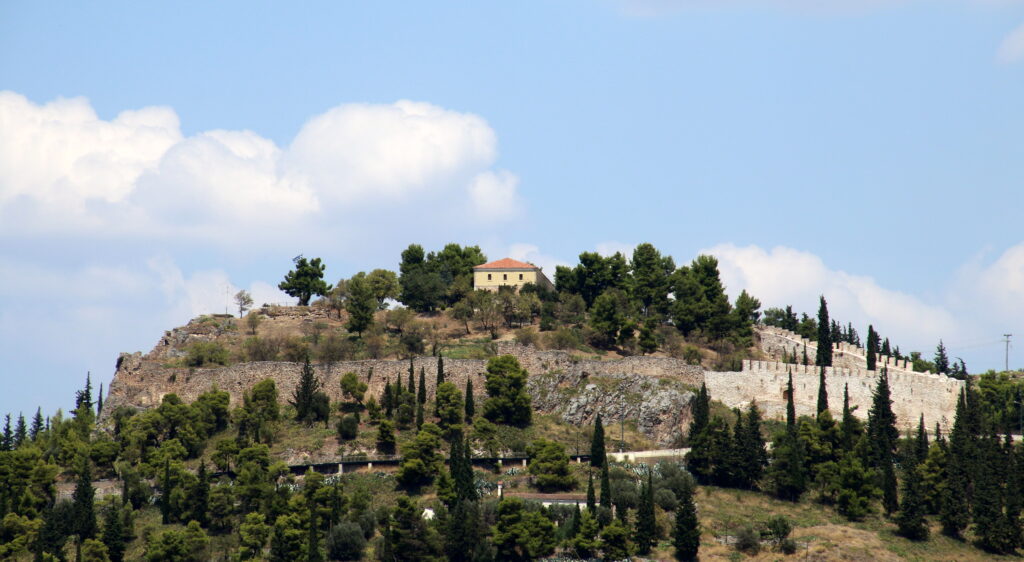
- The Castle: Perched on a hill, this medieval fortress offers panoramic views of the city and the surrounding area. It houses an archaeological museum with artefacts from various periods.
- Thermopylae Battlefield: Just a short drive from Lamia, this historic site commemorates the legendary 480 BCE battle between the Spartans and the Persians.
- Agios Loukas Church: A fine example of Byzantine architecture in the city centre.
Local Products
- Olive Oil
- The olive groves surrounding the town produce excellent extra virgin olive oil, prized for its robust flavour and nutritional value. Olive oil is a cornerstone of the local diet, used generously in cooking and as a dressing for fresh salads.
- Honey
- Lamia is known for its aromatic honey, particularly thyme honey, produced from wildflowers and herbs in the nearby mountains of Othrys and Iti. Local beekeepers produce honey rich in flavour and are celebrated for its health benefits.
- Dairy Products
- Meat and Sausages
- Lamia is famed for its lamb and goat meat, often spit-roasted or slow-cooked. Traditional loukaniko (sausage), flavoured with orange zest, garlic, and regional spices, is a beloved speciality.
- Chickpeas and Lentils
- The fertile plains produce high-quality legumes, including revithia (chickpeas) and fakes (lentils), staples in the local cuisine, soups, stews, and salads.
- Tsipouro
- Herbs and Aromatics
- The mountains around Lamia provide a wealth of wild herbs such as oregano, thyme, sage, and rosemary, which are used in cooking and for their medicinal properties.
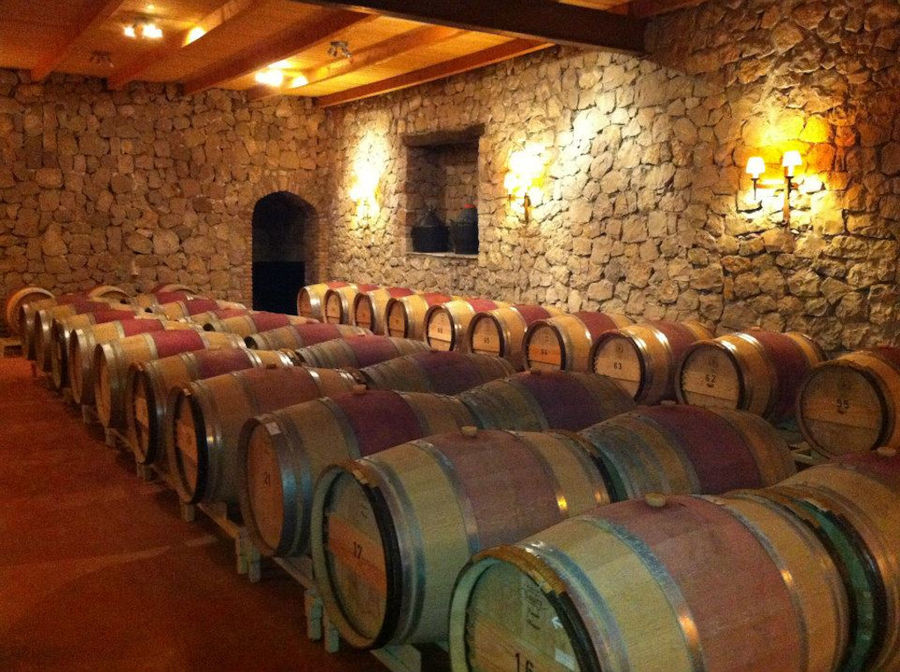
- Wine
- Vineyards in the Phthiotis region produce excellent red and white wines, particularly in the nearby Rapsani and Domokos areas. These wines pair perfectly with the rich local cuisine.
- Sweet Preserves
- Traditional spoon sweets (glyko tou koutaliou) made from local fruits such as quince, cherry, and orange are a hallmark of Lamia’s culinary tradition. These preserves are often served as a gesture of hospitality.
- Bakery Products
Explore Our Lamia Food Tours
Discover Lamia through its food with tours designed for travellers who want to meet local producers and learn about the region’s products and cuisine. Visit farms and small workshops, see how food is made, and gain a genuine insight into the region’s everyday food culture.
Culinary Culture
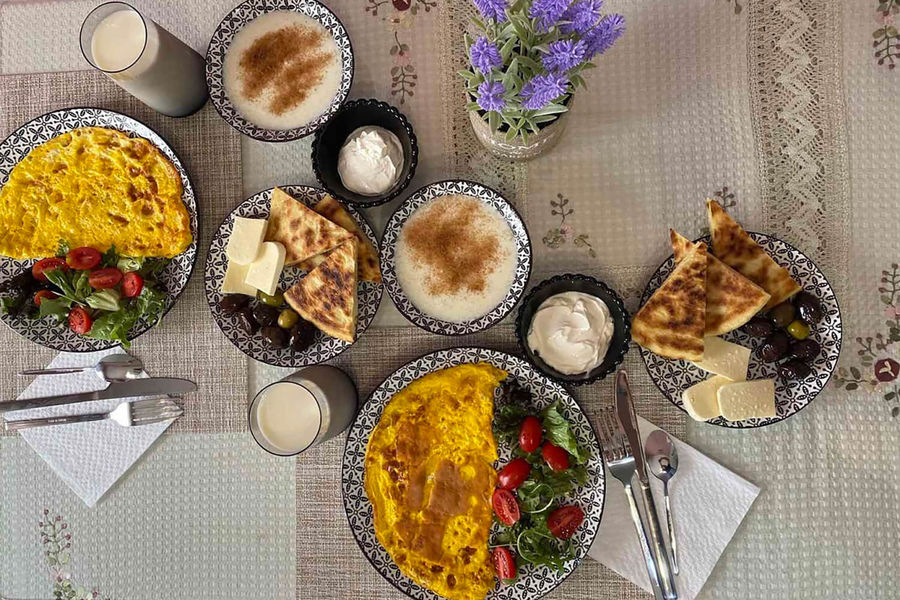
The abundance of local products shapes the identity of Lamia’s cuisine, which is defined by simplicity and authenticity. Seasonal ingredients play a central role, ensuring that the dishes are fresh and flavorful. Visitors can sample these local delights at traditional tavernas, markets, and festivals.
With its fertile lands and commitment to preserving traditional methods, Lamia is a true haven for food enthusiasts. The city’s local products sustain its community and offer visitors an authentic taste of Greece’s agricultural heartland.
Lamia’s cuisine is deeply rooted in the traditions of Central Greece, showcasing local ingredients and age-old recipes. The fertile Spercheios Valley provides an abundance of fresh produce, grains, and livestock, which form the backbone of the region’s gastronomy.
- Pies (Pites): Traditional pies such as hortopita (wild-greens pie) and tiropita (cheese pie) are staples of Lamia’s cuisine.
- Roasted Meats: Lamb and goat, slow-roasted or spit-roasted, are favourites, especially during festivals.
- Soutzoukakia: Spiced meatballs in a rich tomato sauce, served with rice or mashed potatoes, reflect the city’s culinary connection to Asia Minor.
- Loukaniko: A traditional Greek sausage made with pork, seasoned with orange peel and local spices, is a local delicacy.
- Revithada: A comforting chickpea stew, slow-cooked with olive oil and herbs, often enjoyed during colder months.
Sweets and Drinks
The region is known for its sweet preserves, honey, and desserts. Popular choices include:
- Galaktoboureko: A creamy semolina custard baked in phyllo pastry and soaked in syrup.
- Pasteli: A sesame and honey bar showcasing the simplicity of traditional Greek sweets.
- Local Wine and Tsipouro: The fertile lands around Lamia produce excellent wines and tsipouro, often enjoyed with meze.
Combining its historical significance, culinary delights, and natural charm, Lamia offers visitors a unique experience. Whether exploring ancient ruins, savouring local specialities, or enjoying the region’s natural beauty, Lamia is a city that bridges Greece’s storied past with its vibrant present.